
Blog
Little Caesars’ Fan-Favorite Personal Pizza Deal Is Back
A pizza-and-bread combo can pack in a fair amount of refined carbs and sodium in one sitting, especially with dipping

A pizza-and-bread combo can pack in a fair amount of refined carbs and sodium in one sitting, especially with dipping

Pairing a high-protein entrée with the right sides can help round out a more balanced meal. Consider choosing a vegetable-based

Kids’ meals are portioned smaller than adult entrées, which can actually make them a reasonable option for a lighter meal
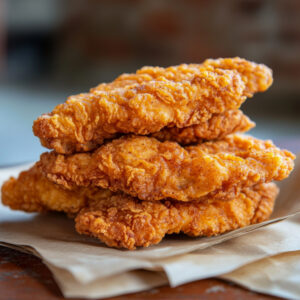
A combo that includes fried chicken, two sides, and a biscuit can add up quickly in sodium and fat, especially

Limited-time grocery items, especially fall-flavored snacks and baked goods, can be easy to over-buy simply because they won’t be around
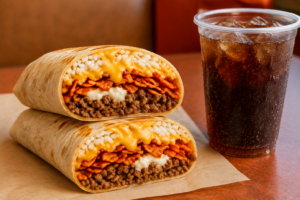
Combo deals that pair a loaded item like a burrito with a fountain drink can add up quickly in sodium
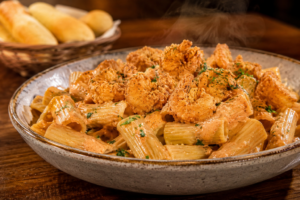
Unlimited pasta promotions make it easy to eat well past the point of being full, especially with breadsticks and soup

Fried, breaded items paired with a bold dipping sauce can add up in sodium fairly quickly, especially if you’re ordering
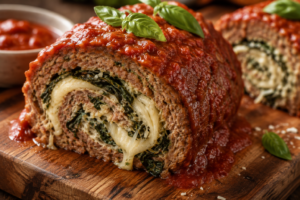
Spinach adds iron, fiber, and vitamins to this dish, sneaking in extra nutrition without changing the comforting, cheesy flavor everyone
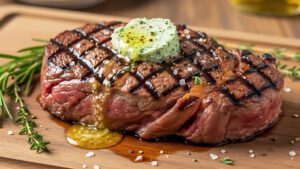
Letting meat rest before slicing helps retain more of its natural juices, which also means retaining more of the B