
There is a moment that every cook who has been paying attention eventually reaches.
It arrives without announcement — usually in the middle of cooking something, not before it or after it. The recipe is open on the counter or the phone and the cook looks at it and realizes, with a specific quality of surprise, that they haven’t consulted it in several minutes. That the decisions they have been making — the adjustments to heat, the addition of seasoning, the judgment about when to flip and when to leave and when to pull — have been made without reference to any external instruction.
They have been cooking by feel.
This moment is significant not because it represents the achievement of expertise — the cook who has reached it is not necessarily an expert. It is significant because it represents a shift in the relationship between the cook and the cooking. The recipe was the authority. Now the cook is.
The summer kitchen is the best place to practice this shift — because summer cooking more than any other seasonal cooking invites the approach of working from what is available rather than from what a recipe specifies. The tomatoes that are at their peak this week were not at their peak last week and will not be next week. The corn that is extraordinary today was not extraordinary three days ago. The herbs in the garden that are most vivid right now will not be as vivid next month.
Summer cooking from a recipe written in October, about ingredients that may or may not be at their best in this specific moment, in service of a specific dish that may or may not match what the available ingredients want to become — this is cooking against the season rather than with it.
What Cooking by Feel Actually Means
Cooking by feel is not the same thing as cooking without knowledge. It is not improvisation in the sense of randomness — of adding things without understanding what they do and hoping the result will be acceptable.
Cooking by feel is the application of accumulated knowledge without the mediation of a recipe — the ability to taste and adjust, to observe and respond, to make decisions based on what is actually happening in the pan rather than what the recipe says should be happening.
The cook who is cooking by feel is asking a different set of questions than the cook who is following a recipe. Not: what does the recipe say to add next? But: what does this dish need right now? Not: how many minutes does the recipe specify? But: what is the pan telling me about when this is done? Not: did I follow the instructions correctly? But: does this taste right?
These questions require the accumulated reference library of past cooking — the memory of what a properly caramelized onion smells like, the feel of dough that has been developed enough, the sound of a sear that is producing crust rather than steam. They require the palate that has been trained through repeated tasting and adjustment to know when something is right and when it still needs something.
But they do not require expertise in the sense of formal training or years of professional experience. They require the specific kind of attention that any cook can bring to any cooking session — the willingness to observe what is happening and to let those observations guide the decisions.
The Summer Vegetable as the Best Teacher
Of all the ingredients available in any season, the peak-season summer vegetable is the most forgiving teacher for the cook who is learning to cook by feel — because it asks for so little intervention and reveals so clearly when that little intervention has been well or poorly applied.
The peak-season tomato that is simply salted and dressed with good oil and eaten with bread — the preparation that requires no technique at all — teaches the cook something that no recipe teaches as directly: that the quality of the ingredient is the primary determinant of the quality of the dish, and that the cook’s job is often to get out of the way rather than to add.
The summer squash sautéed in olive oil until just tender and finished with lemon and herbs — a preparation that takes eight minutes and involves no specific recipe — teaches the cook about heat management and about the specific moment when a vegetable is done. Not the recipe’s specified time, but the actual moment when this particular squash in this particular pan has reached the texture that is exactly right. That moment varies. Learning to identify it requires attention rather than instruction.
The corn cooked in its husk on the grill — with no preparation at all, the husk providing the steam that cooks the kernels, the grill providing the char that cooks through to the husk — teaches the cook that the best cooking sometimes involves doing almost nothing. That the ingredient, given appropriate heat and time, produces its own best outcome without significant intervention.
Each of these preparations is simple enough that the cook cannot hide behind complexity. The result reveals directly what was done well and what was done poorly, in a way that a twenty-component dish never does — because the twenty-component dish distributes any single failure across enough other elements that it becomes invisible.
The Flavor Principle as a Substitute for a Recipe
The cook who cannot find a recipe for what they want to make is not necessarily stuck — if they understand the flavor principles that govern the kind of dish they want to produce.
A flavor principle, as the food writer Elizabeth Rozin described it, is the combination of aromatic ingredients that gives a cuisine its characteristic identity — the specific set of flavors that, when present, signal that the food belongs to a particular culinary tradition regardless of what specific ingredient they are applied to.
The flavor principle of French Provençal cooking includes garlic, olive oil, tomato, and herbs of the garrigue — thyme, rosemary, fennel. Any vegetable, any protein, any grain that is cooked with these aromatics will taste of Provence rather than of somewhere else. The specific recipe for ratatouille is less important than the understanding of this flavor principle — because once the principle is understood, the cook can apply it to whatever is available.
The flavor principle of Southeast Asian cooking includes fish sauce, lime, chile, and some combination of galangal or ginger, lemongrass, and fresh herbs. Any protein, any noodle, any vegetable combined with these aromatics becomes a Southeast Asian dish in flavor, regardless of whether the specific recipe exists or has been followed.
Understanding flavor principles rather than recipes gives the cook the ability to work from what is available — to take the peak-season summer vegetable and ask not “what recipe can I find for this” but “what flavor principle can I apply that will make this taste like something specific and coherent.”
The Summer Pantry That Enables the Felt Approach
The cook who wants to cook by feel needs a pantry that supports improvisation — a collection of shelf-stable and refrigerated ingredients that provide the flavor infrastructure for whatever fresh ingredient arrives from the market or the garden.
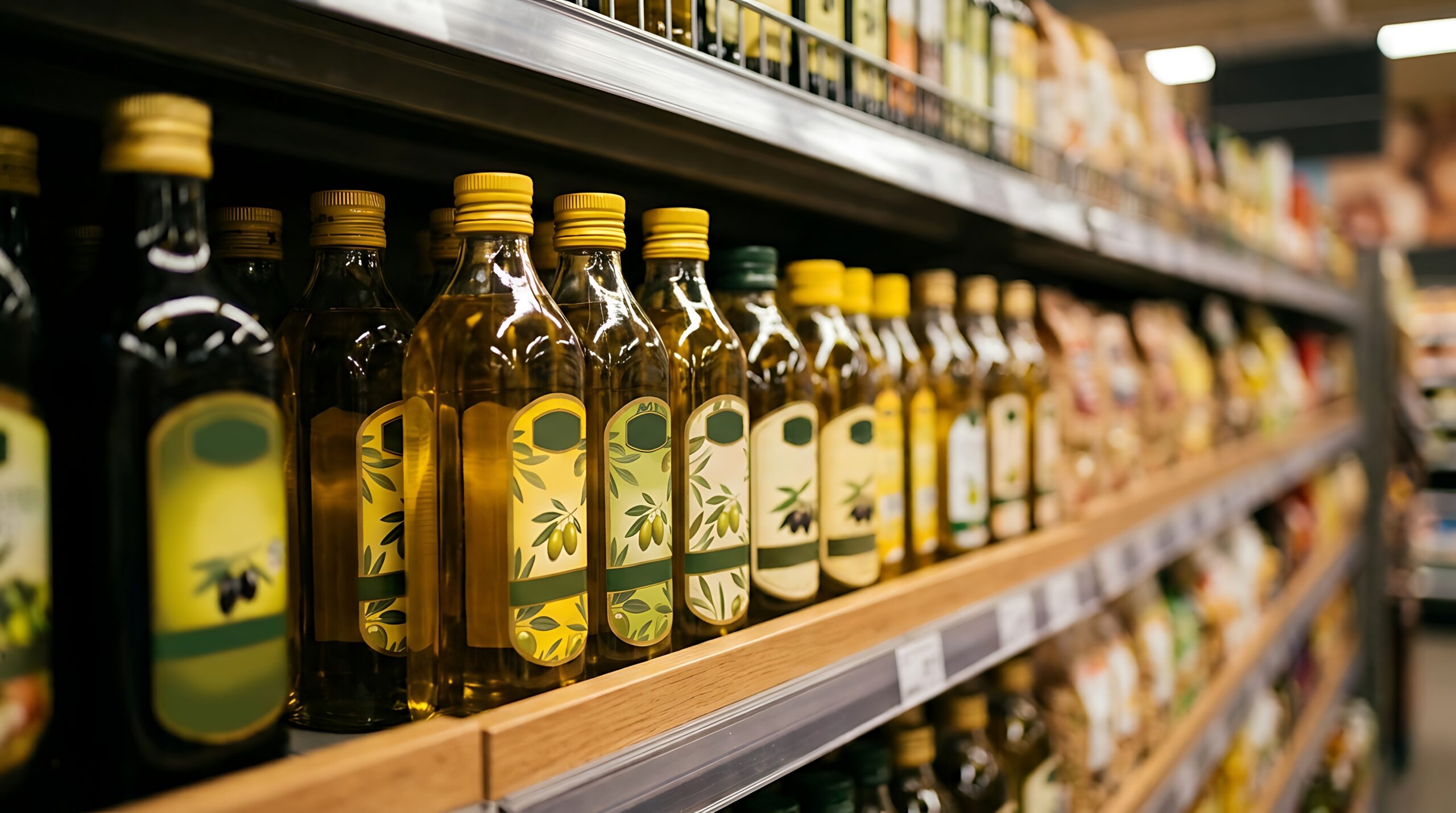
The summer pantry built for improvisation is not large. It is specific. It contains the fats — good olive oil, butter, perhaps sesame oil for Asian-influenced preparations. The acids — several different vinegars, citrus fruits, fish sauce or soy sauce that provides umami and salinity simultaneously. The aromatics — garlic and onion always, ginger for certain flavor directions, dried chiles for others. The dried herbs and spices that provide depth without requiring the fresh herbs that may or may not be available. The canned or jarred goods — tomatoes, white beans, tuna, anchovies — that provide substance and flavor when the fresh ingredient is the primary element and needs support.
With this pantry, the cook who arrives home with a bag of peak-season summer produce and no plan can make something good without consulting any recipe — because the flavor infrastructure is in place and the fresh ingredient is excellent enough to do the primary work.
The specific meal that results from this approach will not match any recipe in any cookbook. It will be specific to this cook, this kitchen, these ingredients, this moment. It will be the cook’s own — and that quality of ownership, of having made something that didn’t exist before and couldn’t have been made the same way by anyone else, is one of the most satisfying experiences available in any summer kitchen.
The Mistakes That Are Worth Making
The cook who is learning to cook by feel will make mistakes that the cook who is following a recipe would not make — because the recipe provides guardrails that the felt approach removes.
The dish that is over-seasoned because the tasting was imprecise. The vegetable that is overcooked because the judgment of doneness was off. The combination that seemed right in concept and didn’t cohere in practice.
Each of these mistakes is worth making — not because failure is inherently educational, but because the specific failure of a felt cooking session contains specific information that a recipe failure doesn’t. The recipe failure can always be attributed to the recipe, or to a deviation from the recipe, or to the wrong interpretation of an instruction. The felt cooking failure belongs entirely to the cook — and the cook who takes that ownership can identify exactly what went wrong and why.
The cook who over-seasoned the dish has learned something specific about when to stop adding salt. The cook whose vegetable was overcooked has learned something specific about what done looks like at an earlier stage. The cook whose combination didn’t work has learned something specific about which flavors actually cohere rather than which flavors seem like they should.
These are not lessons that reading about cooking produces. They are lessons that only come from doing it — from making the specific decision and experiencing the specific result.
The Felt Meal Worth Sharing
There is a quality that food made by feel has that food made from a recipe often lacks — a quality of specificity and personality that reflects the specific judgment of the specific cook on the specific day it was made.
This quality is recognizable but difficult to name. It is the thing that makes a meal feel like it was made for the people eating it rather than assembled from instructions that could have been followed by anyone. It is the evidence of genuine attention — of a cook who was present in the cooking rather than executing a procedure — and it registers as warmth and care in the eating even when the person eating it can’t articulate why this feels different from other food.
The felt meal is worth sharing — not because it will necessarily be technically superior to a carefully executed recipe dish, but because it is honest in a way that matters. It is the cook’s own thinking, expressed through food, offered to the people at the table without the mediation of someone else’s instructions.
That honesty, communicated through the specific flavor of a dish that could only have been made in this kitchen on this day by this cook, is one of the most genuine pleasures available in the summer kitchen.
The Takeaway
Summer is the season most suited to cooking by feel — because the ingredients at their peak ask for little intervention, because the abundance of fresh herbs and seasonal produce invites improvisation, and because the long, warm evenings create the specific quality of leisure that allows the cook to be present in the cooking rather than racing through it.
Put the recipe away for one meal this week. Start with what is best at the market. Apply a flavor principle that feels right. Taste constantly and adjust. Let the pan tell you when things are done.
The meal that results will not be someone else’s recipe.
It will be yours.
And that, in the end, is exactly what cooking is supposed to produce.