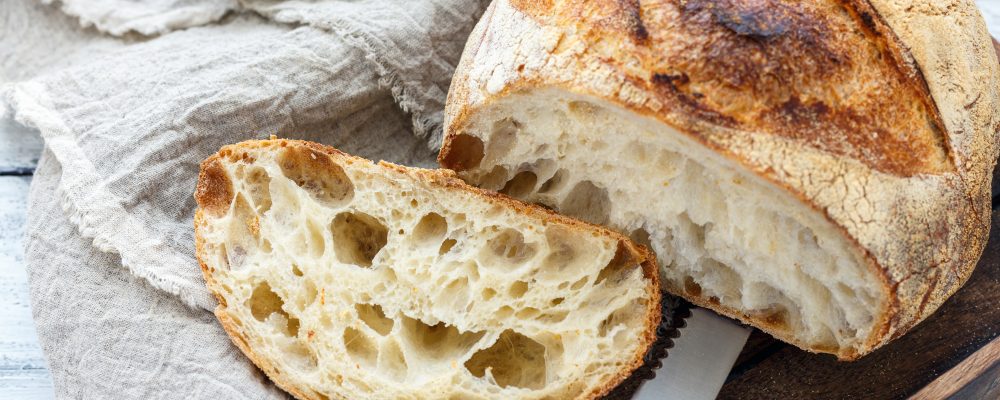

You follow a bread recipe exactly.
Measure the ingredients. Mix the dough. Let it rise. Shape it. Let it rise again. Bake it.
But when it comes out of the oven, it’s dense. Flat. The loaf barely rose at all.
You check the yeast. It’s fresh. Not expired. The package says it’s active.
So what went wrong?
The problem usually isn’t the yeast itself. It’s what you did—or didn’t do—that prevented the yeast from working properly.
Small mistakes in temperature, timing, or technique that seem insignificant are actually sabotaging your bread before it even goes in the oven.
The Water Is the Wrong Temperature
Yeast is alive. Temperature determines whether it thrives or dies.
Water that’s too hot kills yeast. Above 120°F, you’re destroying the organisms that make bread rise. The dough will never develop properly because the yeast is dead.
Water that’s too cold keeps yeast dormant. It won’t activate fully. The rise is sluggish or doesn’t happen at all.
The ideal water temperature for activating yeast is between 105°F and 110°F. Warm to the touch, but not hot.
Chefs use a thermometer. They don’t guess. They know that being off by even 10 or 15 degrees can mean the difference between bread that rises and bread that doesn’t.
Home bakers often just use hot tap water or water that feels warm. Sometimes it’s fine. Sometimes it kills the yeast. There’s no way to know without measuring.
If you’re serious about bread, use a thermometer. It’s the only way to guarantee water is at the right temperature.
The Yeast Wasn’t Proofed
Proofing yeast—mixing it with warm water and a pinch of sugar, then waiting to see if it foams—tells you whether the yeast is alive before you commit to making dough.
Skipping this step means you don’t find out the yeast is dead until after you’ve mixed everything and wondered why nothing’s rising.
Active dry yeast should always be proofed. Instant yeast can be mixed directly into flour, but proofing it doesn’t hurt and confirms it’s working.
Chefs proof yeast as standard practice. They want to know from the beginning that fermentation will happen.
Home bakers often skip this because it seems like an unnecessary extra step. Then they end up with dough that never rises and no way to know if it was the yeast, the water temperature, or something else.
Proof your yeast. Five minutes now saves you from wasting hours on dough that was doomed from the start.
The Dough Is Too Cold
Yeast works best in a warm environment—around 75°F to 80°F.
In a cold kitchen, yeast activity slows dramatically. The dough rises, but glacially. What should take an hour takes three or four.
Most people don’t wait that long. They assume the dough isn’t rising and either bake it anyway or throw it out.
Chefs control dough temperature. If the kitchen is cold, they find a warm spot—near the oven, in a turned-off oven with just the light on, in a proofing box.
Home bakers often just leave dough on the counter in a 65°F kitchen and wonder why it’s not rising. It will eventually. But not in the time the recipe suggests.
If your kitchen is cold, create a warmer environment for your dough. A turned-off oven with the light on usually gets to around 80°F—perfect for proofing.
The Dough Is Too Warm
Too much heat is just as bad as too little.
Above 90°F, yeast works too fast. The dough rises quickly but doesn’t develop flavor. The gluten structure doesn’t have time to develop properly.
Worse, above 100°F, yeast starts to die off. You get an initial rise, then nothing. The bread bakes up dense because most of the yeast is dead by the time it goes in the oven.
Chefs avoid hot environments for proofing dough. They want consistent, moderate warmth—not excessive heat.
Home bakers sometimes put dough in an oven that’s too warm or near a heat source that’s too intense. The dough appears to be rising well, then suddenly stops.
Warm is good. Hot is bad. There’s a narrow ideal range, and staying within it matters.
The Dough Wasn’t Kneaded Enough
Kneading develops gluten—the protein network that gives bread structure and allows it to trap gas produced by yeast.
Without adequate gluten development, the dough can’t hold the gas. It might rise initially, but it deflates easily. The final bread is dense because there was no structure to maintain the rise.
Properly kneaded dough is smooth, elastic, and springs back when poked. Inadequately kneaded dough is sticky, tears easily, and doesn’t have that elasticity.
Chefs knead until the dough passes the windowpane test—stretched thin, it forms a translucent membrane without tearing.
Home bakers often stop kneading too soon, either because their arms are tired or because they’re not sure how the dough should feel.
If you’re kneading by hand, plan for 8 to 10 minutes of actual kneading. If using a stand mixer, 5 to 7 minutes on medium speed.
Don’t stop early. The gluten development is what makes bread rise and hold its shape.
The Dough Was Overproofed
There’s a window where dough is perfectly proofed. Before that window, it’s underproofed. After it, it’s overproofed.
Overproofed dough has exhausted its yeast. The gluten structure has weakened. When baked, it doesn’t rise well because there’s no yeast activity left and the structure can’t support itself.
The dough might look huge before baking, but it collapses in the oven or bakes up dense.
Chefs use visual and tactile cues to determine when dough is ready. It should roughly double in size. When poked, the indentation should slowly spring back partway—not completely, not stay collapsed.
Home bakers often let dough rise too long, thinking more rise equals better bread. It doesn’t. There’s an optimal point, and going past it ruins the bread.
Set a timer. Check the dough periodically. Don’t just leave it and hope for the best.
The Salt Was Added Directly to the Yeast
Salt inhibits yeast. That’s why it’s in bread recipes—to control fermentation and prevent dough from rising too fast.
But salt in direct contact with yeast before it’s been activated can kill it or significantly slow its activity.
When mixing dough, salt should be added to flour or water—not dumped directly onto yeast.
Chefs know this. They’re careful about when and how salt enters the mixture.
Home bakers sometimes add all the dry ingredients at once, including dumping salt on top of yeast. Then they wonder why the yeast didn’t activate properly.
Keep salt away from yeast during the initial mixing. Once everything is combined, it’s fine. But that initial contact matters.
The Flour Is Wrong
Different flours have different protein contents. Protein determines how much gluten can develop.
Bread flour has high protein—usually 12% to 14%. This creates strong gluten networks that support a good rise.
All-purpose flour has less protein—around 10% to 12%. It works for bread, but the rise is less dramatic.
Cake flour has even less protein. It’s designed for tender cakes, not structured bread. Using it for bread produces flat, dense loaves.
Chefs choose flour based on what they’re making. They know protein content matters.
Home bakers often just use whatever flour they have. If that’s cake flour or low-protein all-purpose, the bread won’t rise properly no matter what else you do right.
Check your flour. If it’s not bread flour or a decent all-purpose with at least 11% protein, that might be why your bread isn’t rising.
There’s Too Much Sugar or Fat
Small amounts of sugar feed yeast and improve rise. But too much sugar draws moisture away from yeast and inhibits its activity.
Fat enriches dough and creates tender bread. But too much fat coats the gluten strands and prevents proper structure development.
Enriched doughs—brioche, challah—rise more slowly than lean doughs because of the high fat and sugar content. That’s expected.
But if you’re making standard bread and it’s not rising, check if the recipe has excessive sugar or fat. Sometimes recipes are unbalanced, and that’s preventing a proper rise.
Chefs know the limits. They don’t exceed the amount of sugar or fat that yeast and gluten can tolerate.
Home bakers sometimes modify recipes—adding extra butter for richness or extra sugar for sweetness—and inadvertently create conditions where bread can’t rise properly.
Stick to recipe ratios for sugar and fat, at least until you understand how they affect fermentation and structure.
The Dough Is Old
Yeast has a limited lifespan, even in dough.
Fresh dough rises vigorously. Dough that’s been in the refrigerator for several days has less yeast activity. After about five days, much of the yeast is exhausted.
Cold fermentation extends this window, but not indefinitely.
Chefs use dough within its viable timeframe. They know that old dough won’t perform as well as fresh dough.
Home bakers sometimes make dough, refrigerate it, forget about it, then try to bake it days later. By then, the yeast is mostly dead. The dough won’t rise properly no matter what you do.
Use dough within 24 to 48 hours for best results. After that, expect diminished rise.
The Oven Wasn’t Preheated Properly
Bread gets its final rise—called oven spring—in the first few minutes of baking.
This only happens if the oven is properly hot. The sudden heat causes the yeast to have a final burst of activity and the gases in the dough to expand rapidly.
In a cool or inadequately preheated oven, this doesn’t happen. The bread bakes slowly without that dramatic final rise.
Chefs preheat ovens for at least 30 minutes before baking bread. They want the oven thoroughly heated, not just to the target temperature.
Home bakers often preheat for 10 minutes—just until the oven beeps. That’s not enough. The oven walls aren’t fully heated. The temperature isn’t stable.
Preheat longer. Give the oven time to fully heat through. That final oven spring is crucial for bread that rises properly.
What You Should Do Next Time
Use a thermometer to confirm water temperature is between 105°F and 110°F.
Proof your yeast to confirm it’s active before mixing dough.
Knead until the dough is smooth and elastic—8 to 10 minutes by hand.
Let dough rise in a warm environment around 75°F to 80°F.
Watch for proper proofing—dough doubled in size, slow spring-back when poked.
Use bread flour or high-protein all-purpose flour.
Preheat your oven for at least 30 minutes.
Those steps eliminate the most common reasons bread doesn’t rise.
Follow them and your bread will finally achieve the rise you’ve been hoping for.
The Takeaway
Bread that doesn’t rise isn’t a mystery or bad luck.
It’s the result of specific, preventable mistakes: wrong water temperature, inadequate kneading, improper proofing conditions, expired yeast, wrong flour.
Every one of these problems is fixable once you know what to look for.
Chefs get consistent rise because they control every variable. They measure temperatures. They knead properly. They create the right environment. They use the right flour.
Home bakers often wing it, hoping everything will work out. Sometimes it does. Sometimes it doesn’t. And there’s no way to know which it’ll be.
But now you know what actually matters.
Not luck. Not talent. Just attention to the factors that determine whether yeast thrives and gluten develops.
Do that, and bread rises.
Every single time.