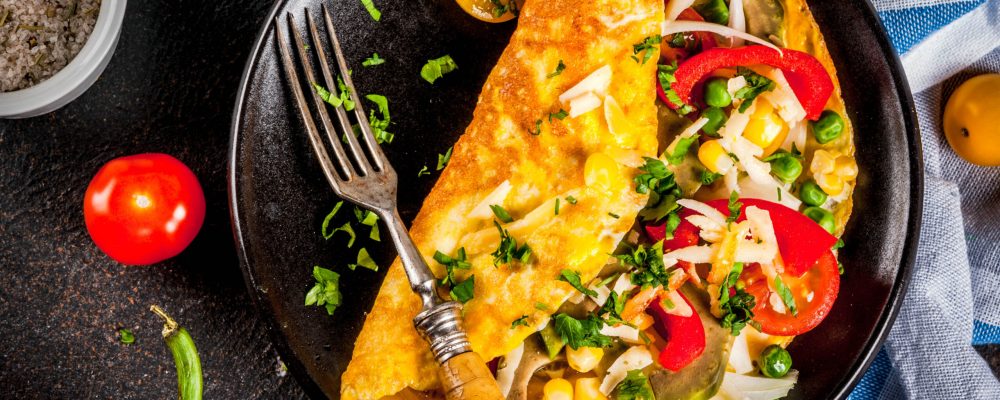

You try to make an omelet.
Beat the eggs. Pour them in the pan. Wait for them to set. Try to fold or flip.
The omelet tears. Or sticks to the pan. Or falls apart into scrambled eggs.
You end up with something edible but nothing like the smooth, intact omelets you see at diners and brunch spots.
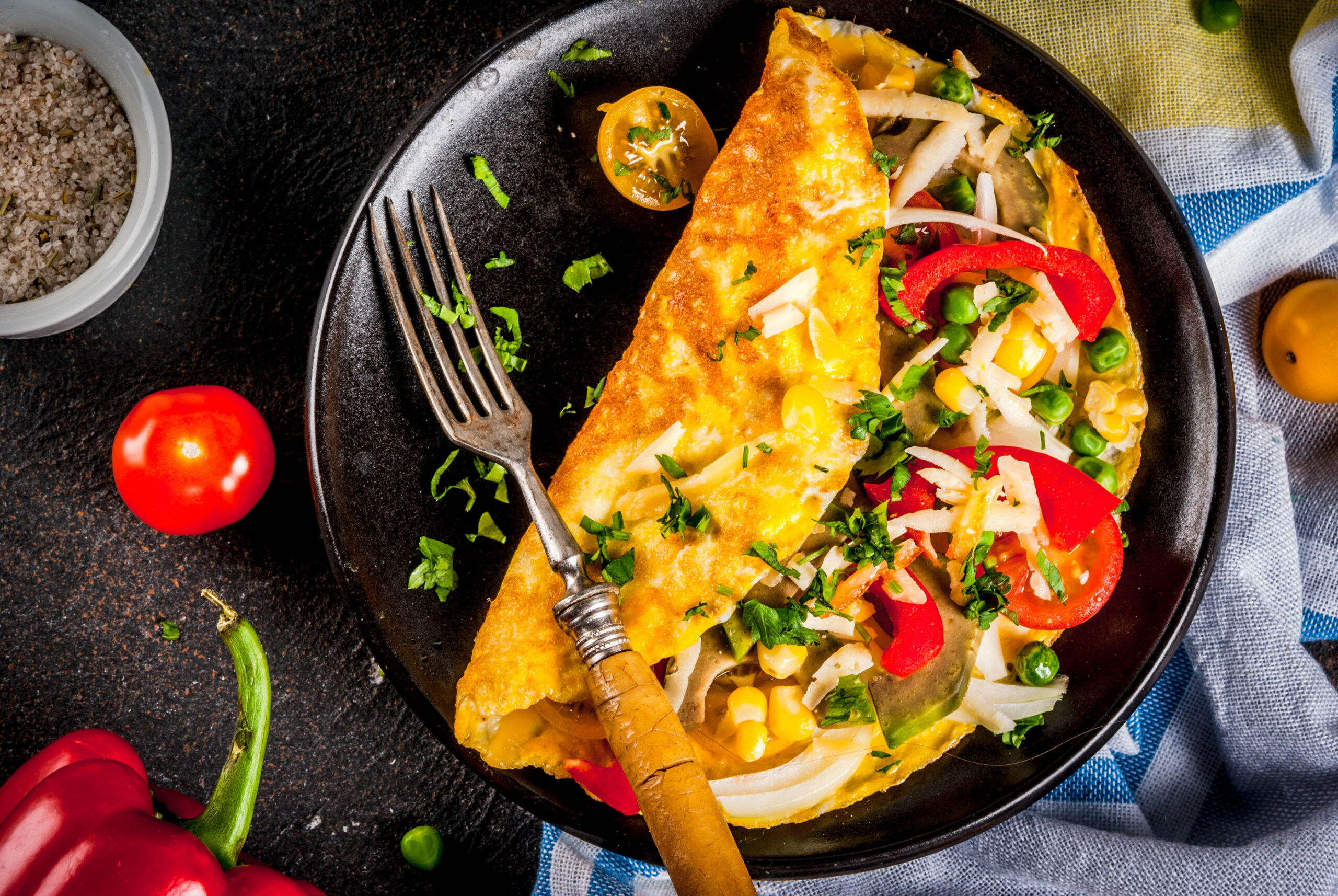
Restaurant omelets slide out of the pan in one perfect piece. Folded neatly. Golden on the outside. Creamy inside.
You assumed it requires years of practice or professional equipment.
Sometimes practice helps. But usually, broken or stuck omelets are the result of specific mistakes that are easy to fix once you know what they are.
Understanding what makes omelets stick or tear is what separates success from the scrambled eggs you keep accidentally making.
The Pan Isn’t Hot Enough
An omelet needs to set quickly on the bottom while staying creamy on top.
That only happens with proper heat. Too cool and the eggs cook slowly, sticking to the pan before a protective layer forms.
Chefs preheat omelet pans thoroughly—medium to medium-high heat for at least 2 to 3 minutes.
The pan should be hot enough that butter immediately foams when added but doesn’t burn.
Home cooks often start with a barely warm pan, worried about burning the eggs. The eggs stick before they can form a proper base layer.
Heat your pan properly. Test with a small piece of butter. It should sizzle and foam immediately. If it just sits there melting slowly, the pan isn’t ready.
There’s Not Enough Fat
Even nonstick pans need adequate fat for omelets. Without it, eggs stick in spots and tear when you try to fold them.
Fat creates a barrier between eggs and pan. It also helps create the characteristic slightly crispy bottom that allows omelets to slide easily.
Chefs use more butter than home cooks expect—at least a tablespoon for a standard three-egg omelet. Sometimes more.
This seems excessive. It’s what makes omelets work.
Home cooks use minimal butter, trying to keep things light. The omelet sticks. It tears. They blame their technique when the problem is insufficient fat.
Use enough butter. The omelet will slide and fold easily. Skimp on butter and you’ll fight it the entire time.
You’re Using the Wrong Pan
Omelets need pans with sloped sides that make folding and sliding easy.
Straight-sided pans create edges that catch the omelet. Folding becomes difficult. The omelet tears.
Heavy pans hold heat too aggressively for the delicate cooking omelets need. Thin pans have hot spots that cook unevenly.
Chefs use dedicated omelet pans—nonstick with sloped sides, medium weight, usually 8 to 10 inches for a standard three-egg omelet.
Home cooks often use whatever pan is available—sometimes too large, sometimes with straight sides, sometimes cast iron that’s too heavy.
The wrong pan makes omelets much harder than they need to be.
Get an 8-inch nonstick pan with sloped sides. This single tool makes omelets dramatically easier.
The Eggs Are Overbeaten
Beating eggs too much incorporates excessive air. The omelet puffs up during cooking, then deflates and becomes tough.
Overbeaten eggs also create a foamy texture instead of the smooth, creamy texture good omelets have.
Chefs beat eggs just until the yolks and whites are combined—maybe 10 to 15 seconds. Not until frothy. Not until uniform in color.
Just mixed.
Home cooks often beat eggs vigorously for 30 to 60 seconds, thinking well-beaten is better. The resulting omelet is foamy and tough instead of smooth and tender.
Beat eggs briefly. Just enough to combine. Stop before they become frothy or pale.
You’re Adding Too Much Filling
Heavy fillings weigh down the omelet. When you try to fold it, the eggs tear under the weight.
Wet fillings release moisture that makes the omelet soggy and prevents it from setting properly.
Chefs use minimal fillings—a few tablespoons maximum. They pre-cook vegetables to drive off moisture. They use room-temperature cheese so it doesn’t cool the eggs.
Home cooks often overload omelets with fillings, thinking more is better. The omelet can’t support the weight. It breaks.
Use less filling than you think you need. A few tablespoons spread thinly, not a thick layer.
Pre-cook and drain any vegetables. This prevents moisture from making the omelet soggy.
You’re Trying to Flip Instead of Fold
Flipping an omelet is difficult and unnecessary. It’s a technique from specific omelet styles, not a universal requirement.
Trying to flip a tender omelet usually results in it breaking or folding back on itself wrong.
Chefs fold omelets, not flip them. Once the bottom is set but the top is still slightly wet, they fold one side over, then slide the omelet out of the pan so it folds again.
No flipping. Just folding and sliding.
Home cooks often try to flip omelets because they’ve seen it done. It’s hard to execute and unnecessary for most omelet styles.
Fold, don’t flip. It’s easier and produces better results.
The Heat Is Too High
High heat cooks the bottom too fast. It burns before the top can set.
You end up with a tough, browned bottom and a raw top that won’t fold properly.
Chefs use medium to medium-high heat—hot enough to set the eggs quickly but not so hot that the bottom overcooks.
This creates an omelet that’s done on the bottom by the time the top is creamy-set.
Home cooks often use high heat, trying to cook faster. The bottom burns. The top stays raw. The omelet tears when manipulated.
Medium heat. Be patient. Let the eggs cook at a pace that allows the top to catch up to the bottom.
You’re Waiting Too Long to Fold
Omelets should be folded when the bottom is set but the top is still slightly wet and glossy.
Wait until the top is completely set and the eggs become tough. The omelet won’t fold smoothly—it’ll crack.
Chefs fold omelets early, trusting that carryover heat will finish cooking the top after folding.
Home cooks often wait until the omelet looks completely done. By then it’s overcooked and won’t fold without breaking.
Fold while the top still looks slightly underdone. It’ll finish cooking from residual heat and will fold smoothly without cracking.
The Pan Surface Is Damaged
Old nonstick pans with scratched or degraded coating stick even with adequate butter.
The eggs bond with exposed metal underneath the coating. No amount of technique fixes this.
Chefs replace nonstick pans regularly—every year or two in professional settings. They know that coating degradation affects performance.
Home cooks often use nonstick pans for five or ten years. The coating is compromised. Omelets stick no matter what.
If your pan is old and scratched, that’s your problem. Buy a new nonstick pan.
Omelets are unforgiving of damaged cookware.
You’re Not Keeping the Eggs Moving Initially
When eggs first hit the pan, they need to be stirred and moved around to create small curds and even cooking.
Letting them sit undisturbed from the start creates a thick, rubbery bottom that sticks.
Chefs stir eggs continuously for the first 15 to 20 seconds—pushing, pulling, swirling. This creates a creamy base layer.
Then they stop and let the omelet set undisturbed.
Home cooks either stir the entire time (making scrambled eggs) or don’t stir at all (making a tough, stuck omelet).
Stir for the first 15 seconds, then stop. Let the omelet set undisturbed until it’s time to fold.
The Pan Is Too Large
A three-egg omelet in a 12-inch pan spreads too thin. It overcooks before you can fold it.
The thin eggs tear easily and don’t create the characteristic fluffy texture.
Chefs match pan size to egg quantity. Three eggs need an 8-inch pan. Four to five eggs need a 10-inch pan.
The eggs should be thick enough to create structure without being so thick they don’t cook through.
Home cooks often use whatever pan is clean, regardless of size. A too-large pan makes omelets difficult and produces poor texture.
Use an appropriately sized pan. This single adjustment makes omelets much easier.
You’re Adding Milk or Water
Some people add milk or water to eggs, thinking it makes omelets fluffier.
It doesn’t. It makes them watery and more prone to sticking.
The added liquid dilutes the eggs and creates steam during cooking, which interferes with proper setting.
Chefs use eggs and nothing else. Maybe a tiny pinch of salt, but no milk, no water, no cream.
Pure eggs create the best texture and don’t release excess moisture that causes sticking.
Home cooks often add a splash of milk out of habit. The omelet becomes harder to manage.
Skip the milk. Use just eggs. The texture will be better and the omelet will hold together more reliably.
What You Should Do Tomorrow Morning
Get an 8-inch nonstick pan. Heat it over medium to medium-high heat for 2 to 3 minutes.
Beat three eggs briefly—just until combined, not frothy.
Add a tablespoon of butter to the hot pan. It should immediately foam.
Pour in eggs. Stir and push them around for 15 seconds to create small curds.
Stop stirring. Let the omelet set undisturbed. When the bottom is set but the top is still slightly wet, add a small amount of filling.
Fold one side over. Slide the omelet onto a plate so it folds again as it leaves the pan.
That’s the technique. Proper heat, enough fat, right pan, brief initial stirring, early folding.
Do that and your omelet slides out intact instead of sticking or breaking.
The Takeaway
Broken omelets aren’t about lack of skill or practice.
They’re about specific, preventable mistakes: wrong pan, insufficient fat, too much filling, waiting too long to fold, or damaged nonstick coating.
Every one of these problems is fixable.
Restaurants serve perfect omelets because they use the right equipment, adequate fat, proper heat, and they fold at the right moment.
Home cooks often use the wrong pan with minimal butter, try to flip instead of fold, and wait too long before folding.
But now you know what makes omelets work.
Right pan. Enough butter. Medium heat. Stir briefly at the start, then don’t touch. Fold while the top is still slightly wet.
Do that and your omelets finally slide out of the pan intact and tender.
Not scrambled eggs. Not torn eggs. Actual omelets.
The way they’re supposed to be.