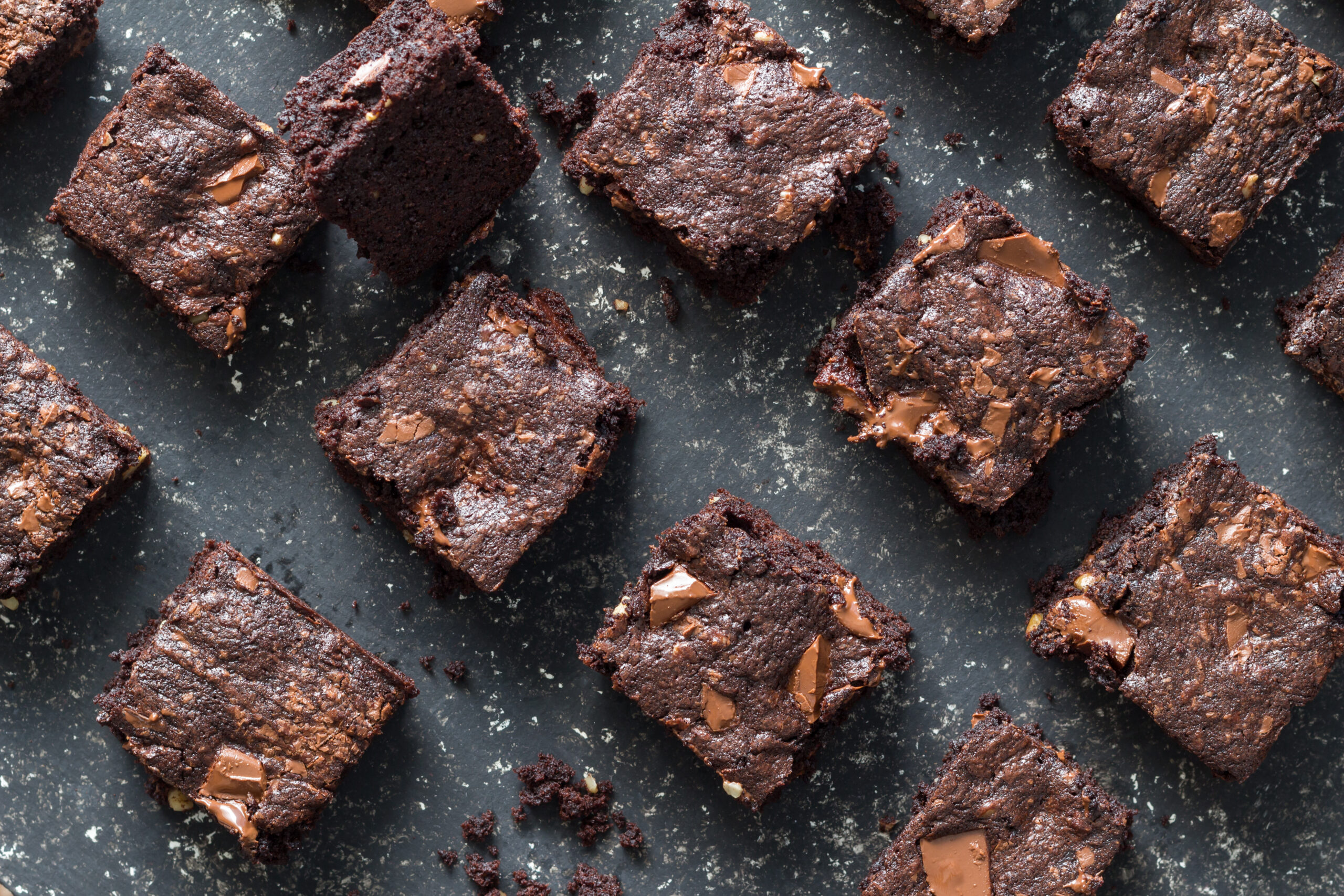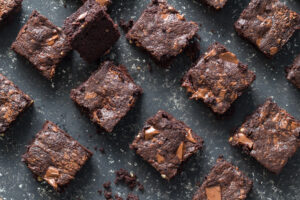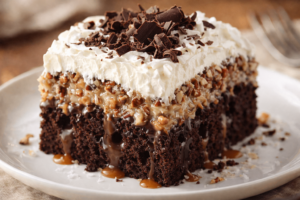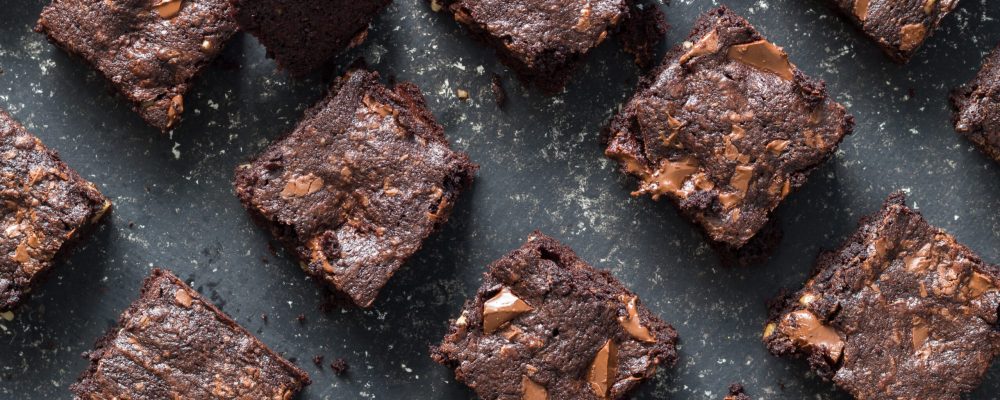

You make brownies from a recipe that promises fudgy, dense texture.
They come out light and cakey. More like chocolate cake cut into squares than actual brownies.
The flavor is fine. But the texture is wrong. You wanted rich, dense, fudgy brownies that almost melt in your mouth.
Instead, you got something fluffy and dry.
Restaurant and bakery brownies have that characteristic fudgy density. They’re moist and chewy. They hold together without being cakey.
You assumed it was the recipe or that you needed special ingredients.
Usually, it’s neither. Cakey brownies are the result of small decisions about ratios, mixing method, and baking time that dramatically change the final texture.
Understanding what creates fudginess versus cakiness is what determines whether you get the brownies you actually want.
There’s Too Much Flour
This is the most common cause of cakey brownies.
Flour provides structure. More flour means more structure, which means cake-like texture instead of dense fudginess.
The difference between fudgy and cakey brownies is often just 2 to 3 tablespoons of flour.
Chefs and bakeries that make fudgy brownies use minimal flour—sometimes as little as 1/2 cup for a full batch. Just enough to hold the brownies together without making them cakey.
Home bakers often use 3/4 cup or 1 cup of flour, thinking more structure is better. It creates cakey brownies.
If your brownies are too cakey, reduce flour by 2 tablespoons next time. Keep reducing until you hit the texture you want.
Less flour than you’d expect is what creates that characteristic fudgy density.
You’re Overmixing the Batter
Mixing develops gluten in flour. More gluten means more structure and lift—exactly what you don’t want in fudgy brownies.
Overmixed brownie batter becomes aerated and rises more during baking, creating a lighter, cakier texture.
Chefs mix brownie batter just until ingredients are combined. They see streaks of flour and stop. They know the streaks will disappear as the batter sits.
The minimal mixing prevents gluten development and keeps brownies dense.
Home bakers often mix until the batter is completely smooth, thinking lumps are bad. That extra mixing incorporates air and develops gluten.
Mix less. Much less. Stop when you still see a few flour streaks. The brownies will be fudgier.
There’s Too Much Leavening
Baking powder or baking soda makes brownies rise and creates air pockets—which means cakey texture.
Fudgy brownies need minimal or no leavening. They should be dense, not risen.
Many brownie recipes include leavening to make them lighter. But “lighter” is the opposite of fudgy.
Chefs making fudgy brownies often use no leavening at all. The eggs provide enough structure. Everything else stays dense and chewy.
Home bakers follow recipes that include leavening without realizing it’s working against the texture they want.
If your recipe includes baking powder or baking soda and you want fudgy brownies, reduce it by half or eliminate it entirely.
Less rise means more fudginess.
The Egg Ratio Is Wrong
Eggs provide both structure (from whites) and richness (from yolks).
More whole eggs means more structure, which leads to cakey texture.
Fudgy brownies often have higher yolk-to-white ratios—sometimes using extra yolks or fewer whole eggs.
The yolks add richness and fat without adding the structure that whites provide.
Chefs making fudgy brownies sometimes use 2 whole eggs plus 2 yolks instead of 4 whole eggs. The extra yolks add density.
Home bakers follow recipes exactly as written, which often call for whole eggs that create more structure than desired.
Consider using extra yolks if you want fudgier brownies. Or reduce whole eggs by one and add two yolks.
You’re Overbaking
This is perhaps the second most common problem after too much flour.
Brownies continue cooking after you remove them from the oven. Overbake them and carryover cooking makes them dry and cakey.
Fudgy brownies should come out of the oven when they still look slightly underdone in the center. A toothpick inserted in the middle should have moist crumbs, not come out clean.
Chefs pull brownies when the edges are set but the center still jiggles slightly. They know carryover cooking will finish them.
Home bakers often bake until a toothpick comes out completely clean. By then, the brownies are overbaked. They’ll be cakey and dry.
Pull brownies earlier than you think you should. The center should still look wet. It’ll firm up as it cools.
That slight underbaking is what creates fudginess.
There’s Not Enough Fat
Fat creates moisture and richness. It’s what makes brownies fudgy instead of cakey.
Recipes with insufficient butter or oil produce drier, more cake-like brownies.
Fudgy brownies have high fat content—sometimes 1 cup of butter or more for a 9×13 pan.
Chefs know that fat is what creates that melt-in-your-mouth texture. They’re generous with butter.
Home bakers sometimes reduce fat to make brownies “healthier.” This guarantees cakey texture.
Use the full amount of fat the recipe calls for. If you want fudgier brownies, consider increasing fat slightly—an extra 2 tablespoons of melted butter can make a noticeable difference.
The Sugar Type Matters
Brown sugar contains moisture and creates denser, chewier baked goods.
White sugar creates a lighter, more delicate texture.
Fudgy brownies often use all or mostly brown sugar. The moisture and molasses contribute to density.
Chefs adjust sugar types based on desired texture. More brown sugar for fudgy, more white sugar for cakey.
Home bakers usually use whatever sugar the recipe specifies without realizing they can adjust the ratio to change texture.
Try using brown sugar for half or all of the sugar in your recipe. The brownies will be noticeably fudgier.
You’re Using Cocoa Powder Instead of Melted Chocolate
Cocoa powder is dry. It absorbs moisture and creates a drier, more cake-like texture.
Melted chocolate adds fat and moisture. It creates fudgier brownies.
The fudgiest brownies use mostly or all melted chocolate with minimal or no cocoa powder.
Chefs making fudgy brownies often use 8 to 12 ounces of melted chocolate and little to no cocoa powder.
Home bakers often use recipes that rely primarily on cocoa powder because it’s cheaper and easier. Those brownies turn out cakey.
If you want seriously fudgy brownies, use a recipe that’s mostly melted chocolate, not cocoa powder.
The fat content in the chocolate is what creates that dense, fudgy texture.
The Pan Size Is Wrong
Baking brownies in too large a pan creates thin brownies that bake through quickly and dry out.
Thin brownies have more surface area exposed to heat. They become cakey and crispy rather than fudgy.
Thick brownies baked in a smaller pan stay moist and fudgy in the center.
Chefs use 8×8 or 9×9 pans for fudgy brownies. The batter is thick. The center stays dense and underbaked-looking even when properly cooked.
Home bakers sometimes use 9×13 pans when the recipe specifies 8×8 or 9×9. The brownies spread thin and bake up cakey.
Use the pan size the recipe specifies. Smaller pans create thicker, fudgier brownies.
You’re Opening the Oven Door
Every time you open the oven to check brownies, you release heat.
The temperature drops. The brownies cook unevenly. They may rise less, or rise and then fall, creating denser texture in a bad way—dry and compact rather than fudgy.
Chefs resist opening the oven until brownies are nearly done. They trust the timing.
Home bakers often check brownies multiple times during baking. Each check disrupts even baking.
Set a timer. Don’t open the oven until the timer goes off. Then check once and decide if they need more time.
Minimal oven opening creates more consistent results.
The Oven Temperature Is Too High
Brownies baked at too high a temperature set on the outside before the inside cooks through.
You end up with dry, cakey edges and either raw or just-barely-done centers. Not the uniform fudginess you want.
Fudgy brownies bake best at 325°F to 350°F—lower than many cake recipes.
The lower temperature allows even cooking throughout without overdoing the edges.
Chefs often bake brownies at 325°F. The slower baking creates more uniform texture.
Home bakers often use 350°F or higher. The edges dry out before the center is properly done.
Try baking at 325°F. The brownies will take longer but will be more uniformly fudgy.
What You Should Do This Weekend
Find a fudgy brownie recipe or adapt one you have: reduce flour by 2 to 3 tablespoons, eliminate or reduce leavening, use brown sugar, use melted chocolate rather than just cocoa powder.
Mix just until combined—don’t overmix.
Pour into an 8×8 or 9×9 pan. Bake at 325°F.
Check after 25 to 30 minutes. Brownies are done when edges are set but center still jiggles slightly and a toothpick has moist crumbs.
Remove from oven. Let cool completely in the pan.
Those brownies will be fudgy, not cakey. Dense, not light. Exactly what you wanted.
The Takeaway
Cakey brownies aren’t about bad recipes or baking failures.
They’re the result of too much flour, too much mixing, too much leavening, or overbaking.
Every one of these factors is controllable.
Bakeries that make fudgy brownies use minimal flour, barely mix the batter, use little or no leavening, and pull brownies while they still look underdone.
Home bakers often use too much flour, mix until smooth, and bake until a toothpick comes out clean. Those decisions guarantee cakey texture.
But now you know what creates fudginess.
Less flour. Minimal mixing. Little or no leavening. High fat content. Melted chocolate. Slight underbaking.
Do that and your brownies finally have the dense, fudgy texture you’ve been trying to achieve.
Not cakey. Not dry. Fudgy.
The way brownies are supposed to be.