
You make soup at home and it’s fine.
It has flavor. It’s warm. It fills you up.
But it doesn’t taste like restaurant soup. It’s missing that depth, that richness, that satisfying quality that makes you want another spoonful.
You assume it’s the stock. Or some secret ingredient. Or hours of simmering you don’t have time for.
Sometimes it’s those things. But more often, it’s something simpler that most home cooks never think about.
They Build Layers of Flavor
Most people make soup by throwing everything in a pot and letting it simmer.
Chefs build flavor in stages.
They start by sautéing aromatics—onions, garlic, celery—in fat until they’re softened and fragrant. This creates a flavor base that permeates the entire soup.
Then they might add tomato paste and cook it until it darkens, concentrating its sweetness and eliminating any raw taste.
Spices get toasted briefly to wake up their essential oils. Wine or stock gets added and reduced slightly before the main liquid goes in.
Each step adds a layer. And those layers create complexity you can’t achieve by dumping everything in at once.
Fat Carries Flavor
Lean soup tastes thin, no matter how long you cook it.
Restaurants aren’t shy about fat. A good glug of olive oil to start. Butter finished into a puree. A drizzle of cream at the end.
Fat doesn’t just add richness—it carries and amplifies the other flavors in the soup. Aromatic compounds are fat-soluble, which means they need fat to fully express themselves.
This is why a soup finished with a swirl of good olive oil or a pat of butter tastes fuller and more satisfying than the same soup without it.
You don’t need excessive amounts. Just enough to make everything else taste more like itself.
The Fond Gets Used
When you sauté vegetables or brown meat for soup, you’re left with browned bits stuck to the bottom of the pot.
That’s fond. And it’s pure concentrated flavor.
Most home cooks add liquid and ignore it. Chefs deglaze—adding liquid and scraping up every bit of that stuck-on goodness.
Wine works beautifully for this. So does stock. Even water will do the job.
Those browned bits dissolve into the soup, adding a depth you can’t get any other way. Leaving them stuck to the pot is leaving flavor behind.
Seasoning Happens Throughout
Salt added at the beginning tastes different than salt added at the end.
Chefs season in stages as they build the soup.
Salt the aromatics while they cook. Taste and adjust after adding stock. Season again near the end of cooking. Sometimes finish with a final pinch right before serving.
Each addition serves a different purpose. Early salt helps draw out moisture and build flavor. Later salt adjusts the overall balance. Final salt brightens everything.
One big addition of salt at the end can’t replicate what happens when you season thoughtfully throughout the process.
Acid Wakes Everything Up
Soup that tastes flat almost always needs acid, not more salt.
A squeeze of lemon. A splash of vinegar. A spoonful of tomato paste. Even a dash of hot sauce.
Acid cuts through richness, brightens flavors, and makes everything more vibrant. It’s especially important in pureed soups and cream-based soups, which can taste heavy without it.
Chefs add acid near the end of cooking. They taste, add a little, taste again. They’re looking for the point where the soup suddenly comes alive.
Most home cooks never add acid to soup at all—and that’s the missing piece.
They Don’t Over-Blend
Pureed soups made at home are often too smooth. Almost paste-like.
Restaurants blend just enough to create a creamy texture while leaving some body. They want the soup to feel substantial, not like baby food.
Some chefs blend only part of the soup, leaving some chunks for texture. Others blend everything but stop before it becomes completely homogenous.
The goal is creamy, not glue.
Fresh Herbs Go In at the Right Time
Dried herbs can simmer for hours. Fresh herbs can’t.
Most delicate fresh herbs—parsley, cilantro, basil, dill—lose their brightness when cooked too long. They turn muddy and dull.
Chefs add them near the end, sometimes just before serving. This preserves their fresh, vibrant flavor.
Hardier herbs like thyme, rosemary, and bay leaves can go in early. They benefit from long cooking.
Knowing which herbs to add when makes a significant difference in how the final soup tastes.
Stock Quality Actually Matters
Homemade stock does taste better than boxed stock.
But if you’re not making your own—and most people aren’t—the quality of store-bought stock varies wildly.
Good stock should taste like something. It should have body. It should be well-seasoned.
Bad stock tastes like salty water.
Restaurants either make their own or buy high-quality bases. They’re not using the cheapest option on the shelf.
If your soup tastes weak, try upgrading your stock. The difference is immediate.
They Let It Rest
Soup tastes better the next day.
The flavors have time to meld. Everything settles and balances. Spices that tasted harsh become integrated.
Restaurants often make soup a day ahead—not just for convenience, but because they know it improves with time.
If you can, make your soup in the morning or the night before. Let it sit. Reheat it when you’re ready to serve.
The difference is noticeable, especially with bean soups, stews, and anything with a lot of spices.
Finishing Touches Make It Special
A bowl of soup served plain is fine. A bowl of soup with a thoughtful garnish is memorable.
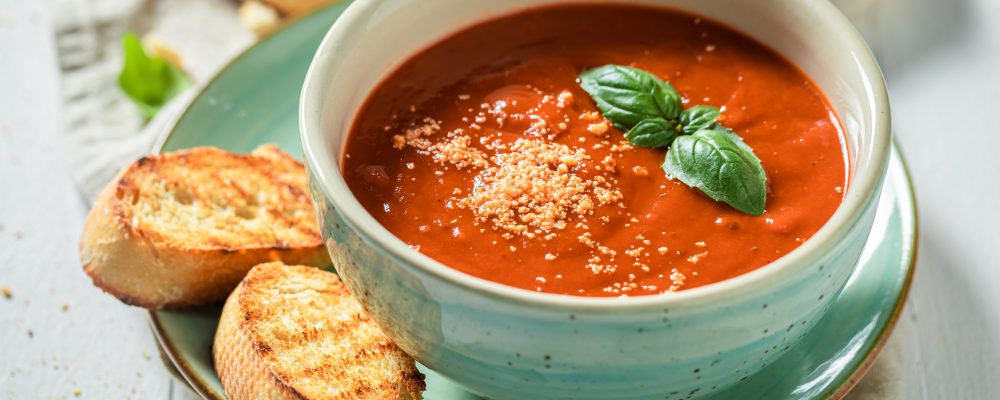
Chefs think about contrast. A drizzle of cream on tomato soup. Crispy croutons on smooth puree. Fresh herbs on rich, meaty stew.
These aren’t just decorative. They add textural contrast and fresh flavor that makes each spoonful more interesting.
You don’t need ten garnishes. Just one or two that complement what’s in the bowl.
They Adjust at the End
No matter how carefully you season while cooking, soup changes as it reduces and concentrates.
Chefs always taste right before serving and make final adjustments.
Too thick? Add liquid. Too thin? Simmer longer. Needs brightness? Add acid. Needs depth? Add salt or a touch of soy sauce or Worcestershire.
This final calibration is what ensures the soup tastes exactly right—not just close.
The Texture Gets Attention
Soup isn’t just about flavor. It’s about how it feels in your mouth.
Chunky soups should have well-cooked but not mushy vegetables. Pureed soups should be silky, not grainy. Brothy soups should be light but not watery.
Chefs think about mouthfeel. They adjust thickness with stock or cream. They add starch from potatoes or beans to create body without heaviness.
Texture matters as much as taste, and most home cooks focus entirely on the latter.
What You Can Do Next Time
Start by cooking your aromatics in fat until they’re soft and fragrant. Don’t skip this step.
Add your liquid gradually, scraping up any browned bits as you go.
Season as you build the soup, not just at the end.
Right before serving, taste and add a small splash of acid—lemon juice or vinegar. Notice how the flavor changes.
Finish with something fresh or crunchy on top.
That’s it. That’s the difference.
The Takeaway
Restaurant soups aren’t richer because they’re more complicated.
They’re richer because chefs understand how to build and layer flavor. How to use fat and acid strategically. How to season in stages instead of all at once.
Most home soup recipes treat soup like it’s one-dimensional—add ingredients, simmer, serve.
But soup made with attention to each stage of the process tastes completely different.
Deeper. Fuller. More satisfying.
And none of it requires special equipment or obscure ingredients.
Just a different approach to how you build flavor from the ground up.