Daily Dish

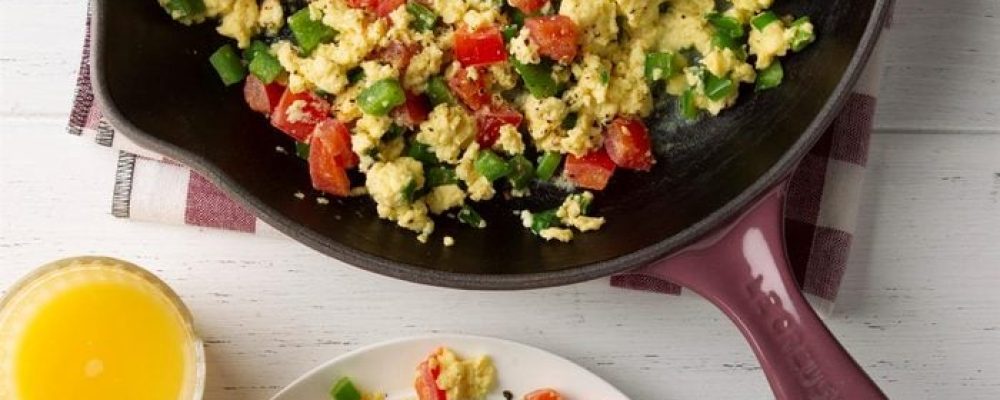
Veggie-Packed Scrambled Eggs

Healthy Fact of the Day

Eggs are a great source of protein, and when combined with vegetables, they create a balanced and nutritious meal.

Ingredients

  • 4 large eggs
  • 1/4 cup milk (or milk alternative)
  • 1/2 cup bell peppers, diced (a mix of colors)
  • 1/2 cup tomatoes, diced
  • 1/2 cup fresh spinach leaves
  • 1/4 cup red onion, finely chopped
  • 1/4 cup shredded cheddar cheese (optional)
  • 2 tablespoons olive oil
  • Salt and black pepper to taste
  • Fresh herbs for garnish (e.g., chives, parsley, or cilantro)


Instructions


  1. In a bowl, whisk together the eggs and milk. Season with a pinch of salt and black pepper.
  2. Heat the olive oil in a non-stick skillet over medium heat.
  3. Add the finely chopped red onion and sauté for 2-3 minutes until it becomes translucent.
  4. Add the diced bell peppers and sauté for an additional 2-3 minutes until they begin to soften.
  5. Stir in the diced tomatoes and cook for 1-2 minutes until they start to release their juices.
  6. Add the fresh spinach leaves and cook for another 1-2 minutes until they wilt.
  7. Pour the egg mixture over the sautéed vegetables.
  8. Gently scramble the eggs with the vegetables, stirring continuously until they are cooked to your liking.
  9. If using, sprinkle the shredded cheddar cheese over the eggs and let it melt.
  10. Garnish your Veggie-Packed Scrambled Eggs with fresh herbs of your choice.
  11. Serve the scrambled eggs hot, with whole-grain toast or a side of mixed greens for a nutritious breakfast or brunch.


These Veggie-Packed Scrambled Eggs are a colorful and healthy way to start your day. Enjoy the combination of fluffy eggs and a variety of vibrant vegetables! 

Recent Recipes

Pineapple Tajín Fruit & Cottage Cheese Cups

  • July 5, 2026
  • 15 min read

Coconut Curry Chickpea & Basmati Rice Bowls

  • July 5, 2026
  • 15 min read

The Ice Cream Paradox: Why the Simplest

  • July 5, 2026
  • 10 min read

Zucchini Cheddar Egg & Oat Breakfast Cups

  • July 5, 2026
  • 13 min read

Piña Colada Cheesecake Mousse

  • July 5, 2026
  • 17 min read

Doritos Taco Casserole

  • July 5, 2026
  • 9 min read

Happy 4th of July — America Turns

  • July 4, 2026
  • 4 min read

The Grill as Teacher: What Fire Reveals

  • July 4, 2026
  • 10 min read

Smoked Cream Cheese Is the Easiest Thing

  • July 4, 2026
  • 3 min read

Ham and Swiss Overnight Strata

  • July 4, 2026
  • 11 min read

Tip of the Day

“Always let your meat rest before slicing.”

Whether you're roasting a chicken, grilling steak, or baking pork tenderloin, letting cooked meat rest for 5–10 minutes before slicing allows the juices to redistribute evenly. This simple step keeps your meat juicy and tender, ensuring every bite is flavorful and moist. Bonus: It gives you a moment to plate your sides or garnish for a perfect presentation!

Our Latest Recipes

Meal Prep
Amelia Grace

Pineapple Tajín Fruit & Cottage Cheese Cups

Cottage cheese is having a well-deserved nutritional moment—it’s one of the highest-protein dairy foods available per calorie, delivering casein protein that digests slowly and supports satiety for hours. Paired with pineapple’s natural bromelain enzymes, which aid digestion and reduce inflammation, this cup is one of the most genuinely nourishing snack combinations in the collection.

Read More »
Asian
Benjamin Brown

Coconut Curry Chickpea & Basmati Rice Bowls

Curcumin—the primary bioactive compound in curry powder’s turmeric component—has one of the strongest anti-inflammatory profiles of any dietary compound studied, and its absorption increases dramatically when consumed with fat. The coconut milk in this bowl provides precisely that fat context, making every serving of this curry an unusually efficient anti-inflammatory preparation.

Read More »
Blog
Daily Disher

The Ice Cream Paradox: Why the Simplest Dessert Is the Hardest to Make

Full-fat dairy — including the cream and egg yolks that form the base of genuinely well-made ice cream — contains fat-soluble vitamins including A, D, E, and K2 that are present in much lower concentrations in low-fat dairy alternatives. The specific fat in cream also contains conjugated linoleic acid and medium-chain triglycerides that have demonstrated metabolic benefits in clinical research. The nutritional case for occasional high-quality full-fat ice cream over frequent consumption of low-fat versions engineered with stabilizers, gums, and artificial flavors is more defensible than the low-fat dietary ideology of the late twentieth century suggested — making a small portion of genuinely well-made ice cream a more nutritionally sound choice than a large portion of its industrially engineered alternative.

Read More »

Get your daily dose of delicious!

Skip to content













