Daily Dish

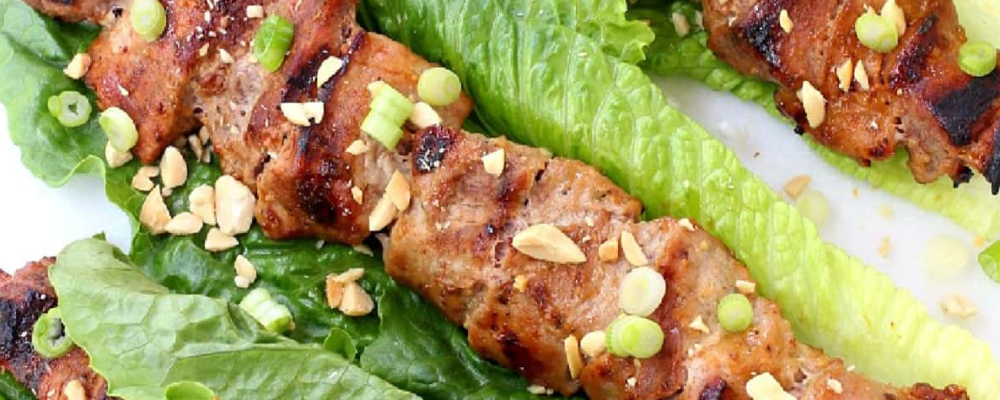
Tropical Coconut-Lime Pork Kebabs

Healthy Fact of the Day

Pork tenderloin is a lean and tender cut of meat that's perfect for grilling. It's also a good source of protein, thiamin, and vitamin B6, which support energy metabolism and nervous system function.

Ingredients


  • 1 1/2 lbs pork tenderloin, cut into 1-inch cubes
  • 1 red bell pepper, cut into 1-inch pieces
  • 1 green bell pepper, cut into 1-inch pieces
  • 1 red onion, cut into 1-inch pieces
  • 1 can (13.5 oz) coconut milk
  • 1/4 cup fresh lime juice
  • 2 tbsp soy sauce
  • 2 tbsp honey
  • 4 garlic cloves, minced
  • 1 tsp ground ginger
  • 1 tsp ground cumin
  • Salt and freshly ground black pepper to taste
  • Wooden skewers, soaked in water for 30 minutes
  • Fresh cilantro leaves for garnish


Instructions

  1. In a large bowl, whisk together the coconut milk, lime juice, soy sauce, honey, minced garlic, ginger, cumin, salt, and black pepper to create a marinade.
  2. Add the cubed pork tenderloin to the bowl and toss to coat evenly with the marinade. Cover the bowl with plastic wrap and refrigerate for at least 1 hour, or up to 4 hours, to allow the flavors to penetrate the meat.
  3. Preheat your grill to medium-high heat.
  4. Thread the marinated pork cubes onto the soaked wooden skewers, alternating with pieces of red bell pepper, green bell pepper, and red onion.
  5. Grill the pork kebabs for 10-12 minutes, turning occasionally, until the pork is cooked through and the vegetables are tender and lightly charred.
  6. Remove the kebabs from the grill and let them rest for 5 minutes before serving.
  7. Garnish the tropical coconut-lime pork kebabs with fresh cilantro leaves and serve hot.


Escape to a tropical paradise without leaving your backyard by savoring these mouthwatering coconut-lime pork kebabs – a harmonious blend of sweet, tangy, and savory flavors that’ll make your taste buds dance the hula and your heart sing with pure summer joy!

Recent Recipes

One Can of Chickpeas, Five Completely Different

  • May 23, 2026
  • 3 min read

Pancake Poppers

  • May 23, 2026
  • 11 min read

The Unsung Heroes of the Kitchen: Tools

  • May 23, 2026
  • 8 min read

Cowboy Butter Chicken Bites

  • May 23, 2026
  • 8 min read

Krispy Kreme’s Lemon Filled Doughnut Is Back

  • May 22, 2026
  • 3 min read

The Comfort Food Paradox: Why the Simplest

  • May 22, 2026
  • 9 min read

Salmon Patties

  • May 22, 2026
  • 8 min read

KFC’s Fried Pickles Are Back — And

  • May 21, 2026
  • 4 min read

Pineapple Bourbon Lemonade

  • May 21, 2026
  • 10 min read

Why Some Cookbooks Change the Way You

  • May 21, 2026
  • 8 min read

Tip of the Day

“Always let your meat rest before slicing.”

Whether you're roasting a chicken, grilling steak, or baking pork tenderloin, letting cooked meat rest for 5–10 minutes before slicing allows the juices to redistribute evenly. This simple step keeps your meat juicy and tender, ensuring every bite is flavorful and moist. Bonus: It gives you a moment to plate your sides or garnish for a perfect presentation!

Our Latest Recipes

Blog
Daily Disher

One Can of Chickpeas, Five Completely Different Meals

Chickpeas are one of the most nutritionally dense things you can keep in your pantry. One cup delivers around 15 grams of protein and 12 grams of fiber, which means they keep you full significantly longer than most pantry staples. They’re also low on the glycemic index, which helps avoid the blood sugar spike and crash that comes with a lot of quick weeknight meals. If you’re watching sodium, give canned chickpeas a quick rinse before using — it removes a meaningful amount of the added salt without affecting texture or flavor.

Read More »
Entrees
Aurora Wright

Pancake Poppers

Buttermilk’s lactic acid and probiotics aid digestion while its acidity activates baking soda for extra fluffy texture—making these fun poppers easier on your stomach than regular pancakes.

Read More »
Blog
Daily Disher

The Unsung Heroes of the Kitchen: Tools Most Home Cooks Underestimate

Using a kitchen scale rather than volume measurements has been shown in nutritional research to produce more accurate portion sizes across all food categories — not just baking. Home cooks who weigh ingredients and portions consistently consume more predictable and intentional quantities of calorie-dense ingredients like fats, nuts, and grains than those who measure by volume, making the kitchen scale one of the more practical tools for mindful eating without requiring calorie counting or dietary restriction.

Read More »

Get your daily dose of delicious!

Skip to content