
You’ve noticed it before.
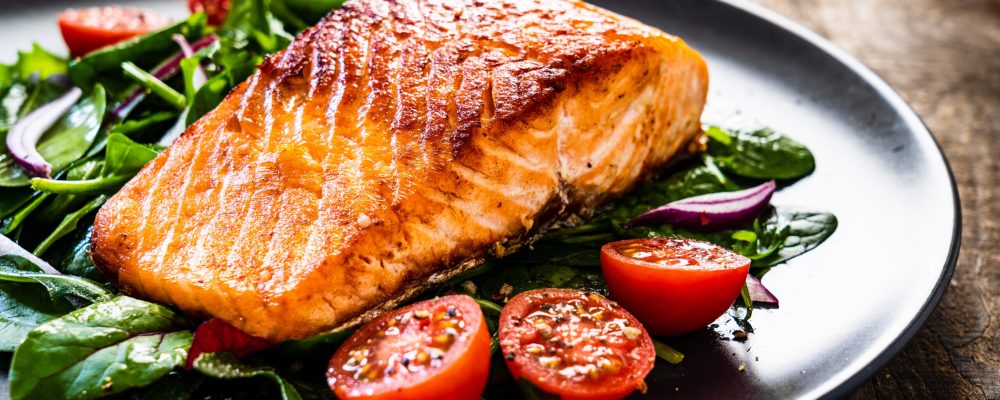
The tomatoes at a restaurant—sliced into a salad, tucked into a sandwich, roasted beside fish—somehow taste more like tomatoes than the ones you buy at the grocery store.
It’s not your imagination.
And it’s not just about expensive heirloom varieties or farmers market hauls. There’s actual technique behind it—small decisions that most home cooks never think about but that chefs consider automatic.
Temperature Changes Everything
Walk into a professional kitchen and you’ll almost never see tomatoes in the refrigerator.
That’s on purpose.
Cold breaks down the flavor compounds in tomatoes. It dulls their sweetness, mutes their acidity, and turns their texture mealy. Restaurants know this, so they keep tomatoes at room temperature until the moment they’re served.
The difference is immediate. A tomato that’s been sitting out for an hour tastes fuller, brighter, more alive than one pulled straight from the fridge.
If you’ve been storing yours cold, try leaving them on the counter. You’ll notice.
Salt, But Not When You Think
Most people salt tomatoes right before eating them.
Chefs salt them earlier—sometimes 20 minutes before service, sometimes an hour.
Here’s why: salt draws out moisture, yes, but it also concentrates flavor. When you salt a tomato and let it sit, the natural sugars intensify. The acidity sharpens. The whole thing becomes more tomato.
Some chefs go even further. They’ll slice tomatoes, season them with flaky salt and a tiny bit of sugar, and let them macerate while they prep everything else. By the time the dish goes out, those tomatoes taste like they came from a different planet.
They Use the Whole Tomato Differently
In most home kitchens, a tomato gets sliced and that’s it.
In restaurants, different parts get treated differently.
The flesh might get diced for a relish. The seeds and juice—usually discarded—get saved for vinaigrettes or sauces. The skin might get charred under a broiler for depth.
Nothing is wasted, and every part is used where it works best.
You don’t need to do all of that. But even just recognizing that tomato juice has value changes how you cook. Suddenly you’re not losing flavor to the cutting board—you’re capturing it.
Variety Isn’t Just About Looks
Restaurants don’t just use one type of tomato and call it a day.
Cherry tomatoes get roasted until they burst. Beefsteaks get sliced thick for texture. Romas get crushed into sauce. Heirlooms get showcased raw when they’re perfect.
Each variety has a best use, and chefs match the tomato to the job.
At home, this doesn’t mean buying six types every week. It just means knowing that the tomato that’s great in a salad might not be the right one for a pasta sauce—and that’s fine.
Acid Loves Tomatoes
One of the simplest tricks chefs use: they brighten tomatoes with more acid.
A splash of red wine vinegar. A squeeze of lemon. Even a drizzle of good balsamic.
Tomatoes are already acidic, but adding a contrasting acid wakes everything up. It sharpens the flavor without making the dish taste sour.
This works especially well with cooked tomatoes, which lose some brightness as they break down. A little acid at the end brings them back to life.
They Don’t Overthink It
Here’s the thing most chefs will tell you: the best tomato dish is usually the simplest one.
Slice a ripe tomato. Salt it. Add olive oil. Maybe some torn basil. That’s it.
No recipe. No technique. Just good ingredients treated with respect.
The difference between restaurant tomatoes and home tomatoes often isn’t complexity—it’s confidence. Chefs trust a tomato to be enough on its own.
What You Can Do Right Now
You don’t need a professional kitchen to make tomatoes taste better. You just need to:
Let them come to room temperature before serving. Salt them ahead of time, not at the last second. Taste them and adjust with a little acid if they need it. Use the juice, not just the flesh.
Those four things will change how your tomatoes taste more than any expensive variety ever could.
The Takeaway
Restaurant tomatoes aren’t better because chefs have access to secret farms or magic seeds.
They’re better because chefs understand how temperature, time, and seasoning affect flavor—and they treat tomatoes accordingly.
You can do the same.
Because a tomato, when handled right, doesn’t need much. It just needs respect.
And maybe a little salt. people refuse to let go.