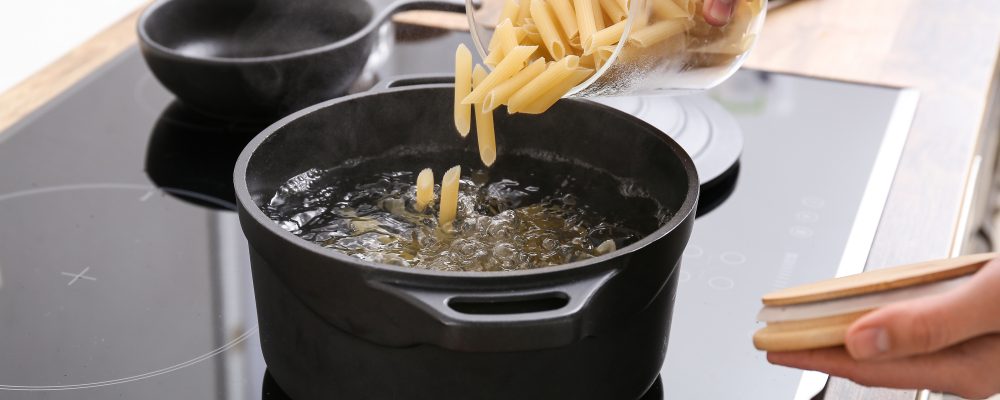

You cook pasta according to the package directions.
Boil water. Add salt. Cook for the suggested time. Drain. Done.
Then you add it to your sauce and something’s wrong.
The sauce slides off the pasta instead of clinging to it. The pasta tastes bland. The dish feels like two separate components—noodles and sauce—instead of one unified thing.
Meanwhile, restaurant pasta always seems perfectly integrated. The sauce coats every strand. Each bite has the right ratio of pasta to sauce.
The difference isn’t the sauce recipe or the pasta quality.
It’s what you’re doing during and immediately after cooking that determines whether pasta and sauce come together properly or stay separate.
You’re Draining the Pasta Completely
Most people cook pasta, drain it in a colander until every drop of water is gone, then add it to sauce.
This is backwards.
Pasta cooking water is starchy and salty. That starch acts as a binding agent that helps sauce adhere to pasta.
When you drain pasta completely, you remove the very thing that would help the sauce cling.
Chefs pull pasta from the water while it’s still dripping wet. They transfer it directly to the sauce with some cooking water still clinging to it.
That residual water—plus the starch it carries—helps create a cohesive dish where sauce and pasta are unified, not separate.
You’re Not Finishing Pasta in the Sauce
Cooking pasta completely in boiling water, then adding it to finished sauce is the home cook approach.
It works. But it’s not optimal.
Chefs undercook pasta by two minutes, then finish it in the sauce.
The pasta absorbs sauce as it finishes cooking. It becomes flavored throughout, not just coated on the outside.
The sauce also thickens and clings better because the pasta releases starch directly into it as it cooks.
This creates integration that you can’t achieve by combining fully cooked pasta with sauce.
The pasta and sauce become one thing, not two things mixed together.
The Water Isn’t Salty Enough
“Salt the water” is standard advice. But most people don’t use nearly enough.
Undersalted water produces bland pasta. No amount of sauce can fix that.
The water should taste almost like seawater—aggressively salty. It seems excessive, but most of that salt stays in the water. Only a fraction is absorbed by the pasta.
Chefs taste their pasta water to confirm it’s salty enough. If it doesn’t taste decidedly salty, they add more.
Home cooks usually add a teaspoon or tablespoon of salt to a large pot. That’s nowhere near enough.
Use at least a tablespoon per quart of water. More for a larger pot. The pasta should taste properly seasoned on its own, without any sauce.
You’re Rinsing the Pasta
Some people rinse pasta after draining to remove excess starch or stop the cooking.
This strips away the surface starch that helps sauce adhere. The pasta becomes slick and sauce-resistant.
Unless you’re making pasta salad—where you actually want to cool the pasta and prevent clumping—never rinse pasta.
Chefs never rinse. They want that starch. It’s essential for sauce cohesion.
If you’re worried about pasta overcooking, pull it early and finish it in sauce. Don’t rinse it.
The Pasta Is Overcooked
Package directions are usually accurate. But they don’t account for finishing pasta in sauce.
If you cook pasta to the package time, then add it to sauce and cook it for another minute or two, it’s now overcooked.
Overcooked pasta is mushy. It also breaks down and releases too much starch, making sauce gluey instead of silky.
Chefs cook pasta one to two minutes less than package directions suggest, then finish it in sauce for a minute or two.
By the time it reaches the plate, it’s perfectly al dente—tender with a slight resistance at the center.
This requires pulling pasta and tasting it frequently near the end of cooking. You can’t just set a timer and walk away.
You’re Not Using Enough Water
Cooking pasta in a small amount of water creates a starchy, cloudy pot that makes pasta stick together.
The pasta doesn’t have room to move freely. It clumps. The starch concentration becomes too high.
Chefs use a large pot with plenty of water—at least four quarts for a pound of pasta.
This gives pasta room to circulate. The starch disperses instead of concentrating. The pasta cooks more evenly.
At home, people often use the smallest pot that technically fits the pasta. This creates problems from the start.
Use a bigger pot than you think you need. It makes a difference.
The Pasta Water Isn’t Reserved
You drain pasta, dump the water down the sink, then realize the sauce needs loosening.
You add plain water or more stock or cream. These work, but they’re not as effective as pasta water.
Pasta water has salt and starch. It thins sauce while also helping it cling to pasta.
Plain water just thins. It doesn’t contribute flavor or improve texture.
Chefs always—always—reserve at least a cup of pasta water before draining. Even if they don’t think they’ll need it.
Because if the sauce needs adjusting, pasta water is the best tool for the job.
At home, people rarely remember to save it until it’s too late.
The Pasta Sits After Draining
You drain pasta, then spend five minutes finishing the sauce before adding the pasta.
By then, the pasta has cooled and started clumping together. The surface has dried slightly.
Adding it to sauce now means you’re trying to revive pasta that’s already past its prime.
Chefs time everything so pasta and sauce are ready simultaneously. The pasta goes from pot to sauce while still steaming hot.
This matters more than most people realize. Fresh-from-the-water pasta absorbs sauce differently than pasta that’s been sitting.
If you can’t avoid a delay, toss the drained pasta with a small amount of oil to prevent clumping. But ideally, there’s no delay at all.
You’re Not Tossing Properly
Adding pasta to sauce and giving it a quick stir doesn’t create proper integration.
You need to actually toss—lifting pasta and sauce together, allowing them to mix thoroughly.
Chefs use the pan itself, flipping and tossing so every strand is coated. Or they use tongs to lift and turn repeatedly.
This mechanical action helps sauce cling. It also aerates the mixture slightly, creating a lighter, more cohesive texture.
Home cooks often just stir with a spoon. The pasta gets moved around, but it’s not truly incorporated.
Vigorous tossing matters. It’s not about showmanship—it’s functional.
The Pasta Shape Doesn’t Match the Sauce
Delicate angel hair with chunky meat sauce is a mismatch. Thick, hearty rigatoni with light olive oil and garlic feels wrong.
Different pasta shapes are designed for different sauces.
Long, thin pasta works with light, oil-based sauces. Short, tubular pasta works with chunky sauces that can nestle inside. Flat pasta works with cream sauces.
Chefs choose pasta shape based on what they’re serving with it. They’re thinking about how sauce and pasta interact physically.
Home cooks often just use whatever pasta is in the pantry, regardless of whether it suits the sauce.
It’s not a dealbreaker. But matching shape to sauce improves the eating experience noticeably.
The Sauce Is Too Thick Before Adding Pasta
Sauce that looks perfect on its own often becomes too thick once pasta is added.
The pasta absorbs liquid. It also releases starch that thickens the sauce further.
Chefs make sauce slightly looser than they want the final dish to be. They know adding pasta will thicken everything.
Home cooks often make sauce to the perfect consistency, then add pasta and end up with something too thick and sticky.
If your sauce looks slightly thin before adding pasta, that’s correct. It’ll thicken to the right consistency once pasta goes in.
You’re Not Adding Fat at the End
A final addition of fat—butter, olive oil, or grated cheese—helps bind sauce to pasta.
The fat emulsifies with the starchy pasta water, creating a glossy, cohesive sauce that clings beautifully.
Chefs almost always finish pasta dishes with a knob of butter or a drizzle of good olive oil, stirred in off the heat.
Home cooks often skip this step. The sauce is good, but it doesn’t have that restaurant-quality sheen and texture.
This isn’t about adding more richness. It’s about creating proper emulsification so everything comes together.
What You Can Do Tonight
Use a large pot with plenty of heavily salted water.
Cook pasta two minutes less than package directions.
Reserve a cup of cooking water before draining.
Add still-wet pasta directly to your sauce. Cook together for a minute or two, adding pasta water if needed to loosen.
Toss vigorously to coat every piece.
Finish with a drizzle of olive oil or a pat of butter, tossed in off heat.
That process produces pasta that actually tastes like restaurant pasta—integrated, properly seasoned, with sauce that clings instead of pools.
The Takeaway
Pasta isn’t hard to cook. But the difference between adequate pasta and great pasta comes down to small technique decisions most people never think about.
Don’t drain it completely. Finish it in sauce. Salt the water aggressively. Reserve pasta water. Add fat at the end.
These steps don’t make pasta more complicated. They just make it better.
Restaurants do this every time because they know it works. Home cooks often skip these steps because they don’t realize how much they matter.
But they do matter. Significantly.
And once you start cooking pasta this way, you’ll never go back to the old method.
Because the difference isn’t subtle. It’s the difference between pasta with sauce on it and pasta that’s actually unified with its sauce.
One tastes like something you assembled. The other tastes like something you cooked.