
There was a time—not that long ago—when going to the grocery store was a purely functional activity.
You went in with a list.
You bought the same brands you always bought.
You left as quickly as possible.
No one lingered in the condiment aisle. No one debated chili crisp brands. No one picked up a package, turned it over, and thought, “Huh. I kind of want to build a meal around this.”
That era is over.
The Rise of the “Wait, What Is This?” Ingredient
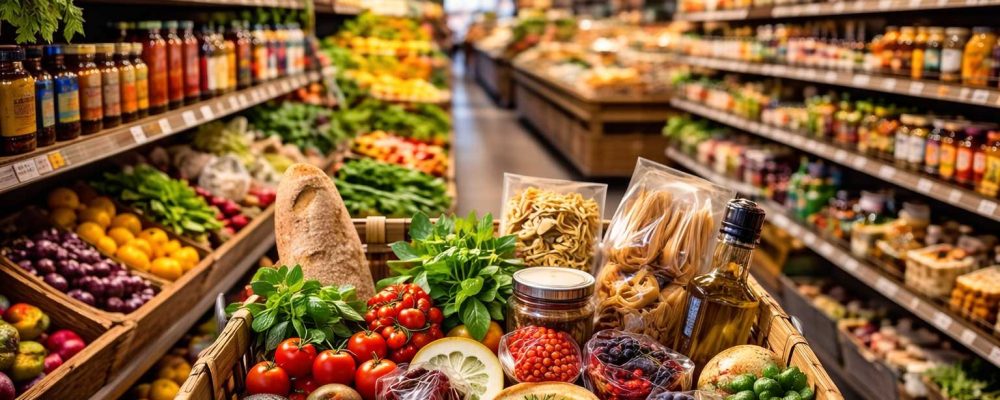
Walk through a modern grocery store and you’ll notice something immediately: curiosity.
Shelves are packed with products that don’t fully explain themselves. Sauces with unfamiliar ingredients. Frozen meals that look suspiciously restaurant-quality. Pantry staples that feel like they were designed by someone who actually cooks.
You’ll see things like:
- Oils infused with flavors no one touched a decade ago
- Global ingredients that used to require a specialty store
- Products clearly designed for people who want shortcuts—but not bad ones
And suddenly, the grocery store becomes less of a chore and more of a prompt.
What could I make with this?
How Social Media Changed What We Buy (Even If We Pretend It Didn’t)
It’s easy to roll your eyes at food trends born online. But the truth is, social media didn’t just change what we cook—it changed how products are developed in the first place.
Brands now design food knowing it might be:
- Filmed
- Reviewed
- Debated
- Turned into a personality
Packaging matters more. Flavor needs to pop faster. The product has to work for a home cook who’s half-following a recipe while answering texts.
Some of this leads to gimmicks. Some of it leads to genuinely excellent food.
The interesting part? Consumers are getting better at telling the difference.
Convenience Isn’t the Enemy Anymore
For years, convenience food had a reputation problem. If it was easy, it couldn’t be good. If it was fast, it must be cutting corners.
That thinking doesn’t hold up anymore.
Today’s home cooks are juggling work, family, burnout, and the very real desire to eat something decent at the end of the day. They don’t want to cook less—they want to cook smarter.
That’s why products that save time without sacrificing flavor are winning:
- Pre-prepped ingredients that still feel fresh
- Sauces that taste intentional, not generic
- Frozen items that don’t apologize for themselves
The goal isn’t to spend hours cooking. It’s to eat well without resenting the process.
The Line Between “Home Cook” and “Chef” Is Blurring
One of the most interesting shifts in food culture right now is how much professional technique has trickled down into home kitchens.
Home cooks talk about:
- Fermentation
- Emulsions
- Texture
- Acid balance
Not because they’re trying to impress anyone—but because they’ve learned that these details actually matter.
At the same time, many chefs are pulling inspiration from home cooking, nostalgia, and simplicity. The result is a middle ground where food feels both thoughtful and approachable.
It’s no longer about cooking like a chef.
It’s about cooking with intention.
When a Product Actually Changes How You Cook
Every so often, something comes along that doesn’t just taste good—it alters your habits.
Suddenly:
- You cook more often
- You try new dishes
- You feel less intimidated by certain cuisines
These are the products worth paying attention to. Not because they’re trendy, but because they earn a permanent spot in your routine.
We’re interested in those moments—the quiet shifts that happen when cooking starts to feel easier, more fun, or more personal again.
Why This Matters
Food doesn’t exist in isolation. What shows up on grocery shelves affects what shows up on our plates, which affects how often we cook, how adventurous we feel, and how connected we are to what we eat.
Paying attention to the food industry isn’t about chasing trends—it’s about understanding the forces shaping our everyday meals.
And honestly? It makes eating more interesting.
The Takeaway
The grocery store has become a reflection of how we live now: busy, curious, globally influenced, and increasingly unwilling to settle for bland food just because it’s convenient.
That’s a good thing.
And it’s something worth talking about.
At Daily Dish, we’ll keep digging into the products, the people, and the shifts happening behind the scenes—so you can decide what’s actually worth bringing home.
Because the most interesting meals often start long before the stove is on.