
You bake cookies one week. Muffins the next. Cake after that.
They all come out fine. Edible. Perfectly acceptable.
But they taste strangely similar. Like variations on the same base flavor instead of distinctly different things.
Your cookies don’t taste particularly cookie-like. Your cake doesn’t have that specific cake quality. Everything has a generic baked-goods flavor that’s hard to describe.
Meanwhile, bakery versions of the same items taste distinctly like what they’re supposed to be. Cookies taste unmistakably like cookies. Cake tastes specifically like cake.
The difference isn’t better ingredients or secret recipes.
It’s one ingredient you’re probably using in everything without realizing how much it’s homogenizing all your baked goods.
You’re Using Vanilla Extract in Everything
Vanilla has become the default flavoring in American baking.
Almost every recipe calls for it. Cookies, cakes, muffins, brownies, quick breads—vanilla goes in nearly everything.
The problem is that vanilla has a strong, distinct flavor. When it’s in everything you bake, everything starts tasting like vanilla-flavored baked goods instead of tasting like itself.
Professional bakers are more selective. They use vanilla when it enhances the primary flavor. They skip it when it would mask or compete with other ingredients.
Chocolate desserts often don’t need vanilla—the chocolate is the star. Lemon desserts taste better without vanilla competing. Spice cakes work better when spices are the dominant flavor.
But home bakers add vanilla automatically, out of habit, without considering whether it belongs.
The result is everything tasting vaguely similar, with vanilla as the common thread dulling the distinctiveness of each baked good.
Brown Sugar Is Overused
Brown sugar has become another automatic ingredient.
It’s in chocolate chip cookies. Blondies. Muffins. Banana bread. Even cakes where white sugar would work better.
Brown sugar adds moisture and a molasses flavor. That’s great when you want those qualities. But using it in everything makes everything taste like brown sugar.
Chefs choose sugars deliberately. White sugar for clean sweetness and crisp texture. Brown sugar for chewiness and deeper flavor. Maple or honey when those specific flavors are wanted.
Home bakers often default to brown sugar because they think it makes things better. Sometimes it does. Sometimes it just makes everything taste the same.
If you’ve been using brown sugar in every recipe, try switching to white sugar in half of them. You’ll notice each baked good starts having more distinct character.
Butter Isn’t Always the Best Fat
Butter is delicious. It’s also become the default fat in almost all home baking.
But butter has a pronounced flavor. When it’s in everything, that buttery taste becomes background noise that makes different baked goods taste similar.
Professional bakers use different fats for different purposes. Butter for rich, tender cakes. Vegetable oil for incredibly moist cakes with neutral flavor. Shortening for flaky pie crusts. Coconut oil when that flavor complements the dessert.
Each fat creates different texture and flavor. Using butter exclusively limits the range of what your baked goods can be.
A chocolate cake made with vegetable oil tastes more intensely chocolatey than one made with butter. The neutral fat doesn’t compete with the chocolate.
But most home bakers use butter automatically, thinking it’s always superior. It’s not—it’s just different. And sometimes different is what makes a recipe taste like itself instead of like butter.
Cinnamon Shows Up Where It Doesn’t Belong
Cinnamon is warm and comforting. It’s also extremely assertive.
Home bakers add cinnamon to apple desserts, pumpkin desserts, banana bread, oatmeal cookies, and sometimes even chocolate recipes.
A little cinnamon in each means everything starts tasting like cinnamon-spiced baked goods.
Bakeries are more restrained. They use cinnamon when it’s essential to the recipe. They leave it out when other flavors should dominate.
Not every apple dessert needs cinnamon. Sometimes the apple should be the star. Not every pumpkin recipe needs it either—pumpkin has its own flavor that can shine without spices.
But home bakers have been conditioned to associate cinnamon with comfort baking. So it goes into everything, flattening out distinct flavors into generic “baked goods with cinnamon.”
All-Purpose Flour Is Too All-Purpose
Using the same flour for every baked good creates similar texture across everything you make.
All-purpose flour works. But cake flour creates more tender cakes. Bread flour makes chewier cookies. Whole wheat adds nuttiness. Almond flour adds richness and distinct flavor.
Professional bakers match flour to application. They’re thinking about protein content, how it affects texture, what flavor it contributes.
Home bakers usually just reach for all-purpose because it’s what they have. Everything gets made with the same flour, which contributes to everything tasting similar.
If all your cakes have the same slightly dense, not-quite-tender texture, it might be because you’re using all-purpose flour when cake flour would create something more delicate.
If all your cookies have the same texture, it might be because they’re all made with the same flour instead of being tailored to what each cookie should be.
Eggs Are Used Inconsistently
Some recipes need whole eggs. Some need just yolks. Some need just whites.
Each part of the egg contributes different properties. Yolks add richness and create tender texture. Whites add structure and leavening.
Professional bakers separate eggs when recipes call for it. They understand that the ratio of yolk to white affects the final product significantly.
Home bakers often use whole eggs in everything—even in recipes that specifically call for separated eggs—because it’s easier.
This creates similarity across baked goods that should have different textures. Cakes that should be tender and rich taste more neutral. Cookies that should be chewy come out cakey.
The wrong egg ratio doesn’t ruin baked goods. But it does make them less distinct from each other.
Baking Powder and Baking Soda Get Mixed Up
These are not interchangeable, but home bakers often substitute one for the other or use whichever they have on hand.
Baking soda requires acid to activate and creates a different texture than baking powder. Baking powder is more neutral and creates more rise.
Using the wrong one changes both texture and flavor. Over time, if you’re inconsistently using whichever leavener happens to be in your pantry, all your baked goods start having that same slightly off texture—not quite right, not quite wrong.
Chefs use the leavener specified in the recipe. They know it’s there for a reason and affects more than just rise.
Home bakers often think of leaveners as generic “makes things fluffy” ingredients and don’t realize swapping them creates noticeable differences.
Everything Is Baked at the Same Temperature
350°F has become the default baking temperature.
But different baked goods benefit from different temperatures. Higher heat creates crusty exteriors and chewy centers. Lower heat creates even, tender texture throughout.
Professional bakers adjust temperature based on what they’re making. Cookies at 375°F for crispy edges. Cakes at 325°F for even, tender crumb. Quick breads at 350°F for proper rise without over-browning.
Home bakers often just set the oven to 350°F regardless of what they’re making. It works, but it means everything bakes similarly and doesn’t develop the specific characteristics that different temperatures create.
If all your baked goods have similar texture—nothing particularly crispy, nothing particularly tender—it might be because you’re baking everything at the same moderate temperature.
Mix-Ins Are Too Similar
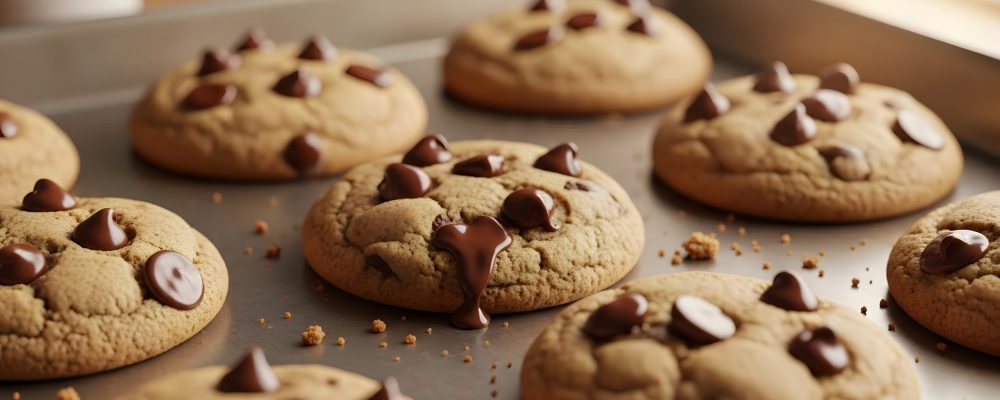
Chocolate chips. Chocolate chips. More chocolate chips.
They’re delicious. They’re also repetitive.
When chocolate chips go into cookies, brownies, muffins, and quick breads, everything starts having that same chocolate-chip-studded quality.
Professional bakers vary mix-ins deliberately. Nuts for texture contrast. Dried fruit for tartness. Seeds for nuttiness. Different chocolates—dark, milk, white—for different flavor profiles.
Home bakers often default to chocolate chips because they’re universally liked. But universal appeal comes at the cost of distinctiveness.
Your lemon muffins might taste more like lemon if they had poppy seeds instead of chocolate chips. Your banana bread might taste more like banana without chocolate competing.
Not everything needs chocolate chips. Sometimes leaving them out is what makes something taste like itself.
The Recipe Source Is Too Consistent
If you get all your recipes from one blog or one cookbook, they likely share a style.
That author has preferences—favorite flavor combinations, preferred ratios, go-to techniques. Those preferences create a signature that runs through all their recipes.
There’s nothing wrong with this. But it means all your baked goods will taste related even when they’re different things.
Professional bakers draw from many sources. They learn techniques from various traditions and adapt them based on what each specific baked good needs.
Home bakers often find one source they trust and stick with it exclusively. The recipes work, but they’re all related to each other.
Diversify your sources. Make chocolate chip cookies from three different recipes and notice how different they can be. That’s the range your baking could have.
What You Can Start Doing
Question whether every recipe needs vanilla. Leave it out of chocolate or strongly flavored desserts and notice if they taste more distinct.
Use white sugar instead of brown sugar in half your recipes. See how the flavors become cleaner and more specific.
Try making one cake with oil instead of butter. Compare the texture and how much more the other flavors come through.
Match your flour to your baked good. Get cake flour for cakes, bread flour for chewy cookies.
Follow recipes exactly regarding eggs, leaveners, and temperature. These aren’t interchangeable.
The goal isn’t to make everything more complicated. It’s to make conscious choices instead of automatic ones.
The Takeaway
When everything you bake tastes vaguely similar, it’s not because you’re a bad baker.
It’s because you’re using the same ingredients in the same way for everything, regardless of whether they’re appropriate.
Vanilla in everything. Brown sugar in everything. Butter in everything. Cinnamon wherever it fits. All-purpose flour for all purposes. 350°F for everything.
These defaults create sameness. They flatten out the distinctive characteristics that make cookies different from cake, muffins different from brownies.
Professional bakers succeed not because they’re more skilled but because they make deliberate choices about ingredients based on what each specific baked good needs.
Home bakers often operate on autopilot, reaching for the same ingredients and techniques without considering whether they’re right for this particular recipe.
But once you start questioning your defaults—once you ask whether vanilla belongs, whether brown sugar is necessary, whether butter is the best choice—your baked goods start tasting more like themselves.
Not just good. Distinctively, specifically good.
The way they’re supposed to taste.