Daily Dish

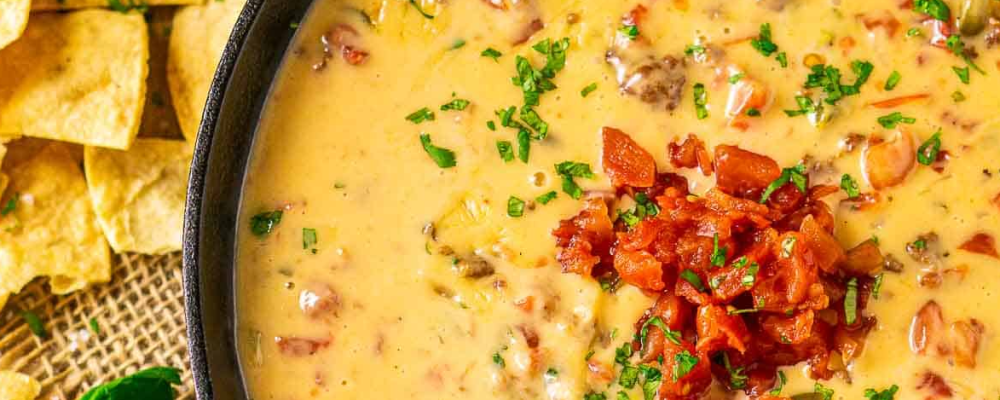
Smoky Grilled Queso Dip

Healthy Fact of the Day

Queso, which simply means "cheese" in Spanish, is a beloved Tex-Mex appetizer that originated in the 1930s. The popularity of this cheesy dip has since spread across the United States, with many regional variations and creative twists on the classic recipe.

Ingredients


  • 1 lb Velveeta cheese, cubed
  • 1 cup heavy cream
  • 1 can (10 oz) diced tomatoes with green chiles (like Rotel), drained
  • 1/2 cup grilled corn kernels
  • 1/2 cup grilled red bell pepper, diced
  • 1/4 cup grilled red onion, diced
  • 1 jalapeño pepper, grilled and minced (optional)
  • 1 tsp chili powder
  • 1/2 tsp cumin
  • 1/4 tsp smoked paprika
  • Tortilla chips for serving
  • Chopped fresh cilantro for garnish


Instructions

  1. Preheat your grill to medium-high heat.
  2. In a large, grill-safe pot or cast-iron skillet, combine the cubed Velveeta cheese and heavy cream.
  3. Place the pot on the grill and stir the mixture occasionally until the cheese is melted and smooth.
  4. Stir in the drained diced tomatoes with green chiles, grilled corn, grilled red bell pepper, grilled red onion, and grilled jalapeño (if using).
  5. Add the chili powder, cumin, and smoked paprika to the cheese mixture, stirring well to combine.
  6. Continue cooking the queso dip on the grill for 5-10 minutes, stirring occasionally, until heated through and slightly thickened.
  7. Remove the grilled queso dip from the heat and transfer it to a serving bowl.
  8. Garnish with chopped fresh cilantro and serve hot with tortilla chips for dipping.


Gather around the grill and dive into this smoky, cheesy fiesta of a dip that’ll have your taste buds dancing with joy and your friends lining up for seconds of this irresistible grilled queso masterpiece!
Recent Recipes

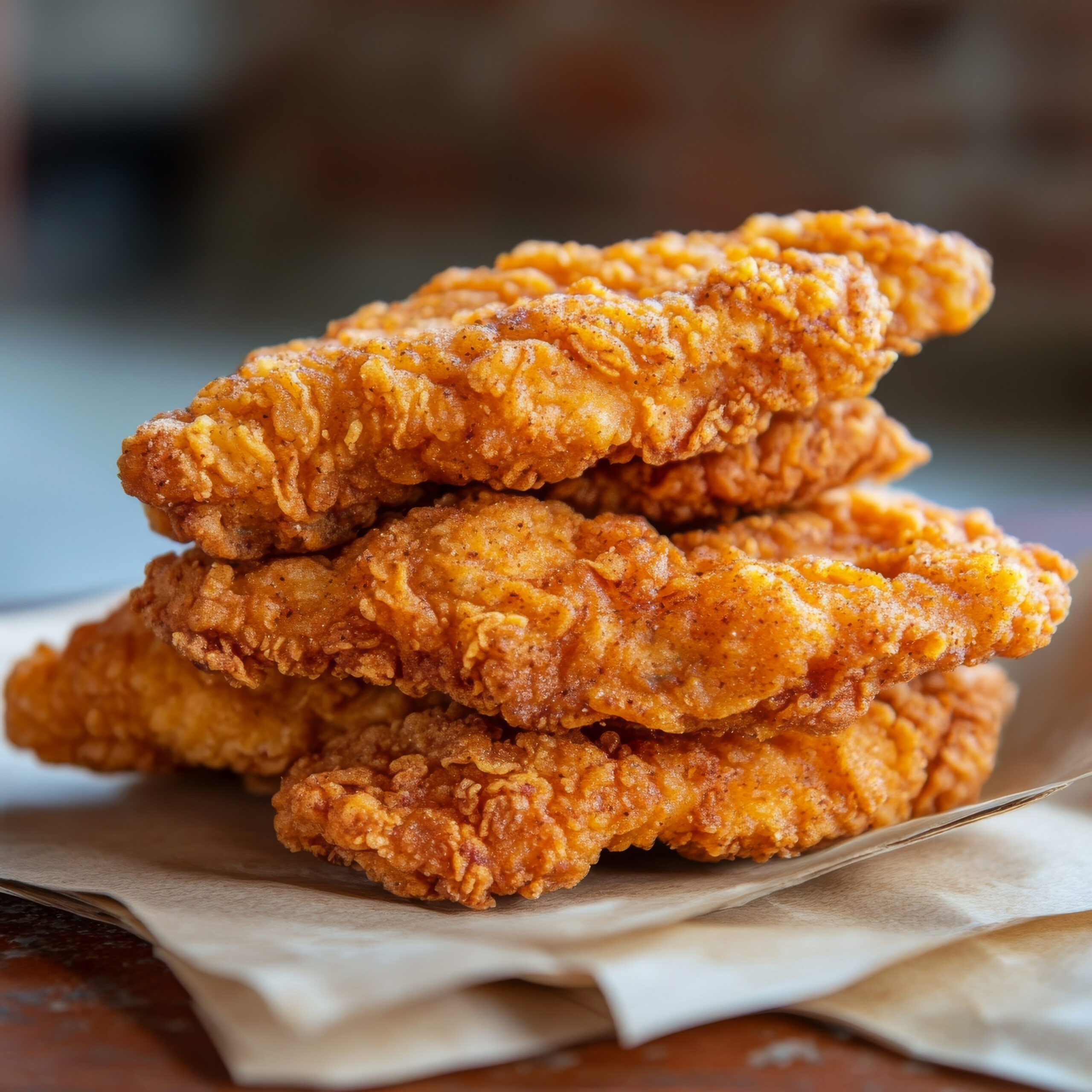
Chick-fil-A Just Launched a Chicken and Waffles

  • August 26, 2026
  • 2 min read

Crispy Garlic Parmeson Pork Tenderloin

  • August 26, 2026
  • 12 min read

The Whole Fish: Why Cooking It on

  • August 26, 2026
  • 10 min read

Tequila Lime Chicken

  • August 26, 2026
  • 6 min read

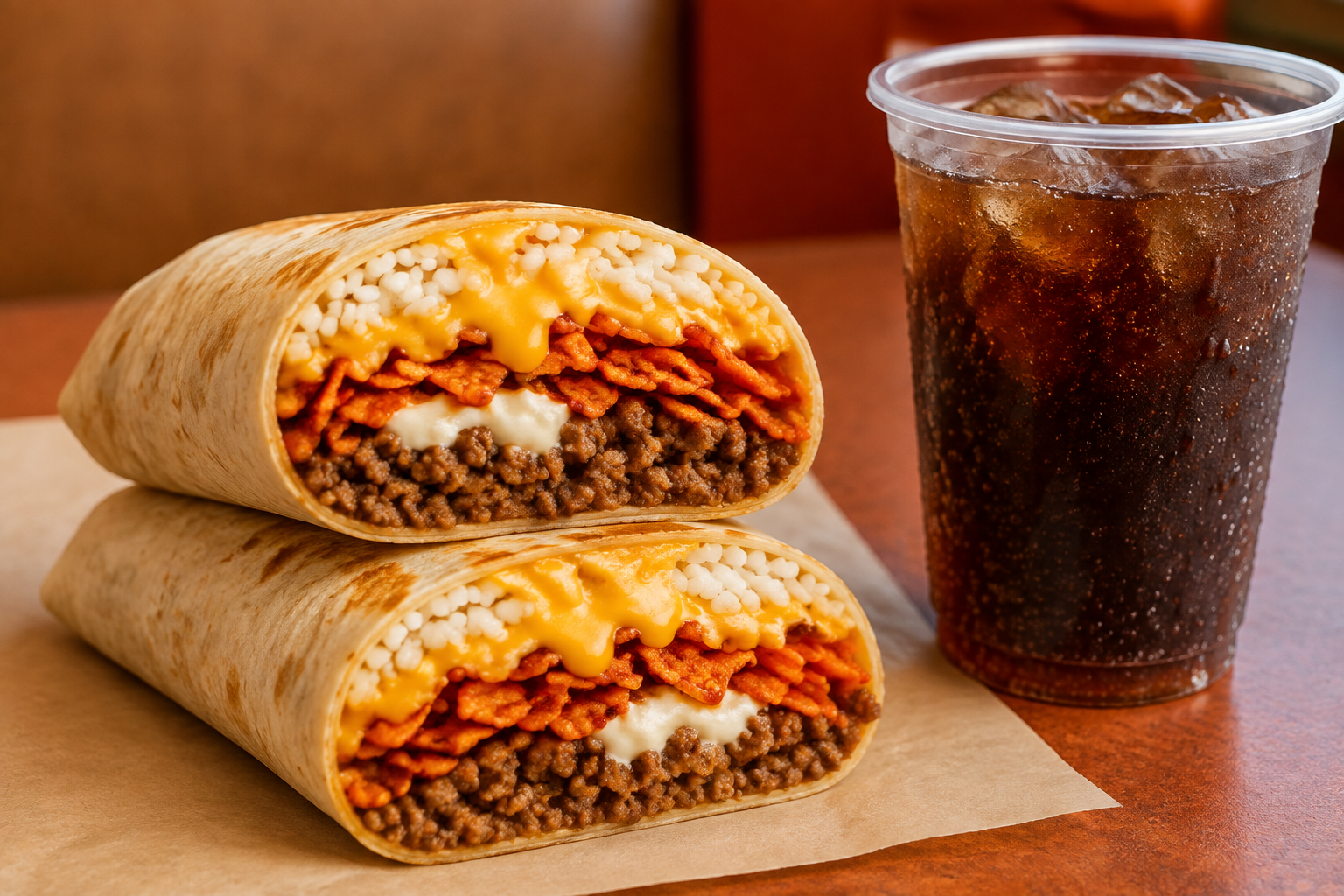
Taco Bell Just Brought Back Four Menu

  • August 25, 2026
  • 2 min read

Sweet Potato Tacos with Avocado Salsa

  • August 25, 2026
  • 11 min read

The Art of the Cheese Sauce: What

  • August 25, 2026
  • 10 min read

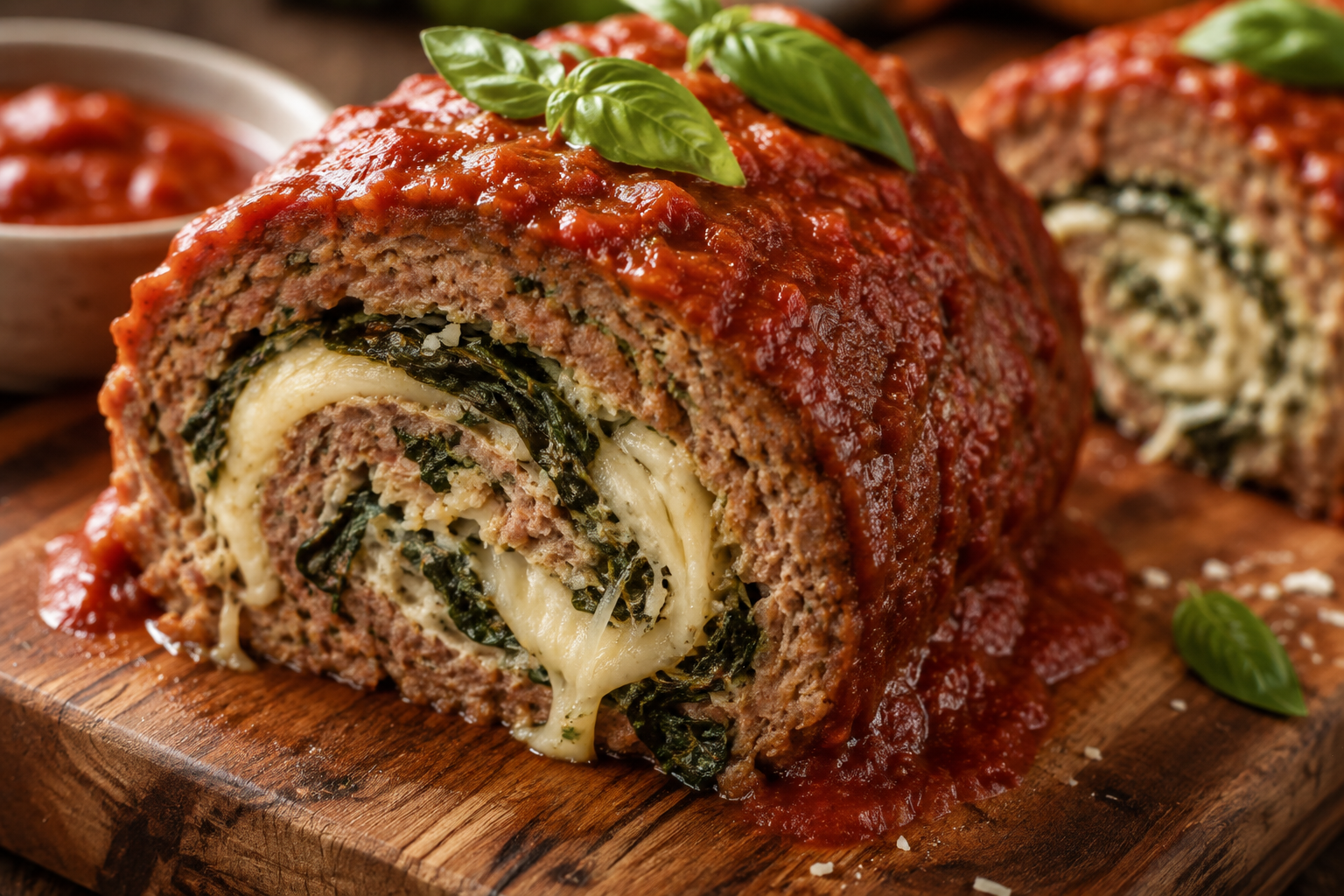
Mushroom and Spinach Lasagna Rolls

  • August 25, 2026
  • 6 min read

Dutch Bros Just Launched Its 2026 Fall

  • August 24, 2026
  • 2 min read

Marshmallow Caramel Corn

  • August 24, 2026
  • 13 min read

Tip of the Day

“Always let your meat rest before slicing.”

Whether you're roasting a chicken, grilling steak, or baking pork tenderloin, letting cooked meat rest for 5–10 minutes before slicing allows the juices to redistribute evenly. This simple step keeps your meat juicy and tender, ensuring every bite is flavorful and moist. Bonus: It gives you a moment to plate your sides or garnish for a perfect presentation!

Our Latest Recipes

Blog
Daily Disher

Chick-fil-A Just Launched a Chicken and Waffles Sandwich — Plus Two S’mores Drinks

Sandwiches that combine fried protein, syrup, and butter-based spreads can add up quickly in calories and added sugar, especially when paired with a milkshake-style drink. If you’re ordering something like a chicken and waffles sandwich, consider going light on the syrup, choosing the grilled filet option instead of fried, or splitting a dessert drink with someone else at the table. Pairing a heavier meal with water instead of a second sugary beverage is also an easy way to keep things balanced.

Read More »
Entrees
Amelia Grace

Crispy Garlic Parmeson Pork Tenderloin

Pork tenderloin is one of the leanest cuts of meat, comparable to skinless chicken breast in fat content—use part-skim Parmesan and reduce olive oil slightly for an even lighter version without sacrificing that gorgeous golden crust.

Read More »
Blog
Daily Disher

The Whole Fish: Why Cooking It on the Bone Changes Everything

Fish cooked on the bone retains slightly higher concentrations of omega-3 fatty acids than fish that has been filleted and stored before cooking — because the fat in the flesh adjacent to the bone is protected from oxidation by the bone itself during the period between filleting and cooking. Whole fish also provides the specific opportunity to consume the collar and the cheek — the two portions most consistently identified by fish-eating cultures worldwide as the most flavorful and most fatty, and therefore the most omega-3-rich, parts of the fish.

Read More »

Get your daily dose of delicious!

Skip to content