Daily Dish

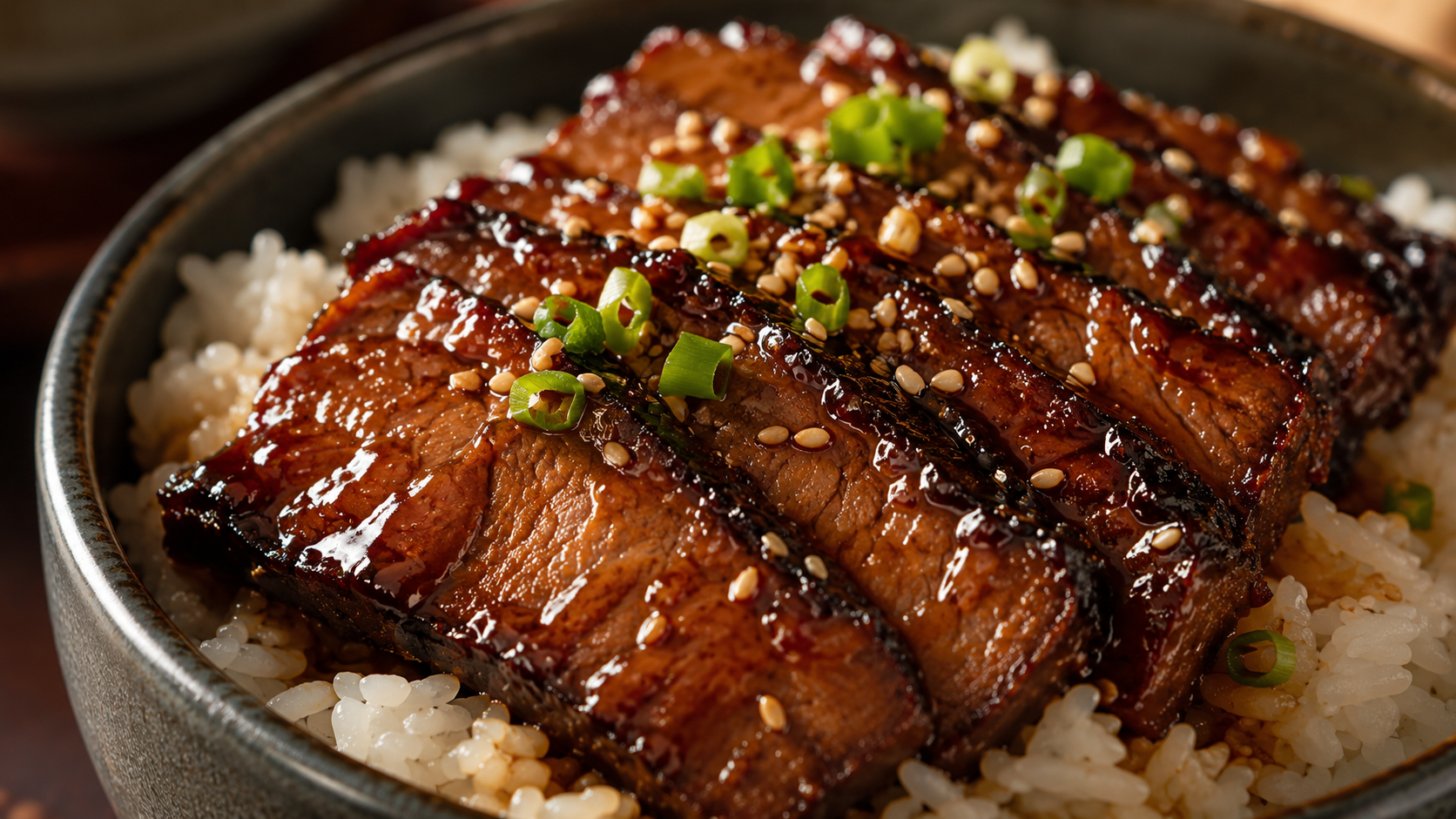
Sizzling Spicy Pork Skewers

Healthy Fact of the Day

Pork is a good source of protein and essential nutrients like vitamin B12, zinc, and selenium. Gochujang, the Korean chili paste used in this recipe, contains capsaicin, which may boost metabolism and have anti-inflammatory properties. The garlic and ginger in the marinade offer additional health benefits, including potential immune-boosting and anti-inflammatory effects.

Ingredients


  • 2 lbs pork shoulder, cut into 1-inch cubes
  • 1/4 cup soy sauce
  • 2 tbsp gochujang (Korean red chili paste)
  • 2 tbsp honey
  • 2 tbsp rice vinegar
  • 2 tbsp sesame oil
  • 4 cloves garlic, minced
  • 1 tbsp grated fresh ginger
  • 1 tsp red pepper flakes
  • 2 green onions, finely chopped
  • Sesame seeds for garnish

Instructions

  1. In a bowl, whisk together soy sauce, gochujang, honey, rice vinegar, sesame oil, garlic, ginger, and red pepper flakes.

  2. Add pork cubes to the marinade and toss to coat. Cover and refrigerate for 2-4 hours.

  3. Soak wooden skewers in water for 30 minutes to prevent burning.

  4. Preheat grill to medium-high heat.

  5. Thread marinated pork onto skewers, discarding excess marinade.

  6. Grill skewers for 10-12 minutes, turning occasionally, until pork is cooked through and slightly charred.

  7. Transfer to a serving plate and sprinkle with chopped green onions and sesame seeds.

  8. Serve hot, with extra gochujang sauce on the side if desired.

Sink your teeth into these sizzling spicy pork skewers and let the bold, fiery flavors ignite your taste buds! With their perfect balance of heat, sweet, and savory, these skewers aren’t just a meal – they’re a thrilling culinary adventure on a stick. Whether you’re firing up the grill for a backyard barbecue or craving an exciting weeknight dinner, these spicy pork skewers are sure to bring the heat and leave you craving more!
Recent Recipes

What’s New at Kroger Right Now —

  • May 25, 2026
  • 4 min read

Greek Feta Dip

  • May 25, 2026
  • 11 min read

The Overlooked Art of Pairing Food and

  • May 25, 2026
  • 8 min read

Bruschetta Chicken Pasta

  • May 25, 2026
  • 8 min read

Costco’s Summer Lineup Is Fully Stocked —

  • May 24, 2026
  • 4 min read

Caramelized Banana Cheesecake with Rum Glaze

  • May 24, 2026
  • 16 min read

Watermelon Feta Mint Skewers

  • May 24, 2026
  • 14 min read

Honey Mustard Chicken & Farro Bowls

  • May 24, 2026
  • 15 min read

Raspberry Almond Baked French Toast Cups

  • May 24, 2026
  • 14 min read

The Strange Psychology of Why We Eat

  • May 24, 2026
  • 9 min read

Tip of the Day

“Always let your meat rest before slicing.”

Whether you're roasting a chicken, grilling steak, or baking pork tenderloin, letting cooked meat rest for 5–10 minutes before slicing allows the juices to redistribute evenly. This simple step keeps your meat juicy and tender, ensuring every bite is flavorful and moist. Bonus: It gives you a moment to plate your sides or garnish for a perfect presentation!

Our Latest Recipes

Blog
Daily Disher

What’s New at Kroger Right Now — From Prebiotic Pepsi to Dirty Mountain Dew

If you’re curious about prebiotic sodas like Prebiotic Pepsi, they’re a meaningful step up from regular soda — lower in calories, made with cane sugar instead of high-fructose corn syrup, and containing prebiotic fiber that supports gut health. That said, they’re still a treat rather than a health food. The 3 grams of prebiotic fiber per can is a modest dose compared to what you’d get from whole foods like oats, beans, or bananas. Think of them as a smarter swap for when you’re reaching for a soda anyway, not as a supplement to your daily fiber intake.

Read More »
Appetizers
Amelia Grace

Greek Feta Dip

This dip provides protein and probiotics from Greek yogurt, calcium from feta cheese, and heart-healthy monounsaturated fats from olive oil. It’s a nutritious alternative to cream cheese or sour cream-based dips while delivering bold Mediterranean flavors.

Read More »
Blog
Daily Disher

The Overlooked Art of Pairing Food and Drink

Research on beverage choices alongside meals consistently finds that drinks consumed during eating significantly affect both the pace and quantity of food consumed. Carbonated drinks slow eating pace by increasing satiety signals between bites. Water consumed during a meal reduces overall calorie intake compared to caloric beverages without affecting perceived satisfaction. And the tannins in certain teas and red wines, by binding to dietary proteins, may modestly affect protein bioavailability — making the drink at the table a nutritional consideration as well as a sensory one.

Read More »

Get your daily dose of delicious!

Skip to content