Daily Dish

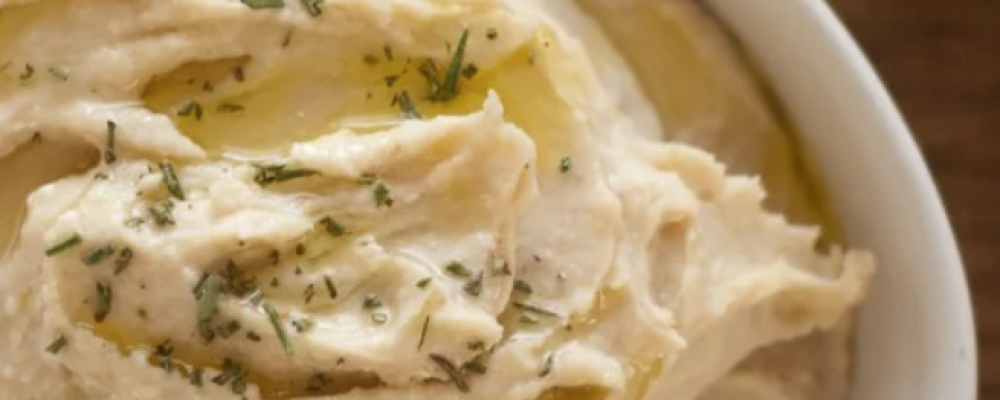
Roasted Garlic and White Bean Hummus

Healthy Fact of the Day

White beans are an excellent source of plant-based protein, fiber, and minerals like iron and folate. Tahini (sesame seed paste) provides healthy fats and a rich, nutty flavor. The roasted garlic adds depth and antioxidants to this flavorful dip.

Ingredients


  • 1 head of garlic
  • 2 tablespoons olive oil, plus more for drizzling
  • 1 (15 oz) can white beans, drained and rinsed
  • 1/4 cup tahini
  • 2 tablespoons lemon juice
  • 1 teaspoon ground cumin
  • 1/2 teaspoon smoked paprika
  • Salt and pepper to taste
  • 2-3 tablespoons water (or more as needed)
  • Chopped parsley for garnish
  • Pita chips or fresh vegetables for serving


Instructions


  1. Preheat your oven to 400°F (200°C).

  2. Cut off the top of the garlic head to expose the cloves. Place the garlic head on a small piece of aluminum foil and drizzle with olive oil. Wrap the foil around the garlic head to enclose it.

  3. Roast the garlic in the preheated oven for 30-35 minutes, or until the cloves are soft and golden brown.

  4. Remove the roasted garlic from the oven and let it cool slightly.

  5. In a food processor or blender, combine the white beans, tahini, lemon juice, cumin, smoked paprika, salt, and pepper. Squeeze the roasted garlic cloves out of their skins and add them to the food processor.

  6. Pulse the mixture, gradually adding water as needed, until a smooth and creamy hummus texture is achieved.

  7. Transfer the hummus to a serving bowl and drizzle with olive oil.

  8. Garnish with chopped parsley and serve with pita chips or fresh vegetables for dipping.

Enjoy this creamy and delicious roasted garlic and white bean hummus as a nutritious and satisfying dip or spread! It’s perfect for snacking or entertaining.

Recent Recipes

Chili Lime Pepita Clusters

  • June 21, 2026
  • 15 min read

Za’atar Roasted Chicken & Bulgur Bowls

  • June 21, 2026
  • 15 min read

The Strange and Beautiful Science of Color

  • June 21, 2026
  • 10 min read

Coconut Matcha Overnight Oat Jars

  • June 21, 2026
  • 14 min read

Oreo Lasagna

  • June 21, 2026
  • 17 min read

Taco Sloppy Joes

  • June 21, 2026
  • 8 min read

Little Caesars Is Offering $5 Large Pizzas

  • June 20, 2026
  • 3 min read

The Farmers Market as a Way of

  • June 20, 2026
  • 11 min read

One Can of Tomatoes, Five Completely Different

  • June 20, 2026
  • 3 min read

German Apple Pancake

  • June 20, 2026
  • 12 min read

Tip of the Day

“Always let your meat rest before slicing.”

Whether you're roasting a chicken, grilling steak, or baking pork tenderloin, letting cooked meat rest for 5–10 minutes before slicing allows the juices to redistribute evenly. This simple step keeps your meat juicy and tender, ensuring every bite is flavorful and moist. Bonus: It gives you a moment to plate your sides or garnish for a perfect presentation!

Our Latest Recipes

Meal Prep
Benjamin Brown

Chili Lime Pepita Clusters

Pepitas are one of the most nutritionally dense seeds available—delivering magnesium, zinc, plant-based iron, and a complete spectrum of antioxidants in a single ounce alongside heart-healthy unsaturated fats and a meaningful amount of plant-based protein. They are, gram for gram, one of the best-return snack ingredients in the pantry.

Read More »
Chicken Recipes
Amelia Grace

Za’atar Roasted Chicken & Bulgur Bowls

Bulgur wheat is one of the most nutritionally efficient whole grains available—higher in fiber than brown rice or quinoa, with a glycemic index low enough to support steady blood sugar across the full afternoon. Its minimal processing preserves the bran and germ layers intact, making every serving a meaningful source of B vitamins, manganese, and plant-based iron alongside its impressive fiber content.

Read More »
Blog
Daily Disher

The Strange and Beautiful Science of Color in Food

The pigments that produce color in fruits and vegetables are, in many cases, the same compounds responsible for their most significant health benefits. Anthocyanins — the pigments responsible for the blue, purple, and red colors of blueberries, red cabbage, and cherries — are among the most potent dietary antioxidants and have been associated with improved cardiovascular health, cognitive function, and inflammatory markers in multiple clinical studies. Carotenoids — responsible for the orange and red colors of carrots, sweet potatoes, and tomatoes — include beta-carotene, lycopene, and lutein, each with specific and well-documented health effects. Eating a wide variety of colored fruits and vegetables is not just nutritional advice — it is a practical strategy for consuming the widest possible range of protective plant compounds.

Read More »

Get your daily dose of delicious!

Skip to content