Daily Dish

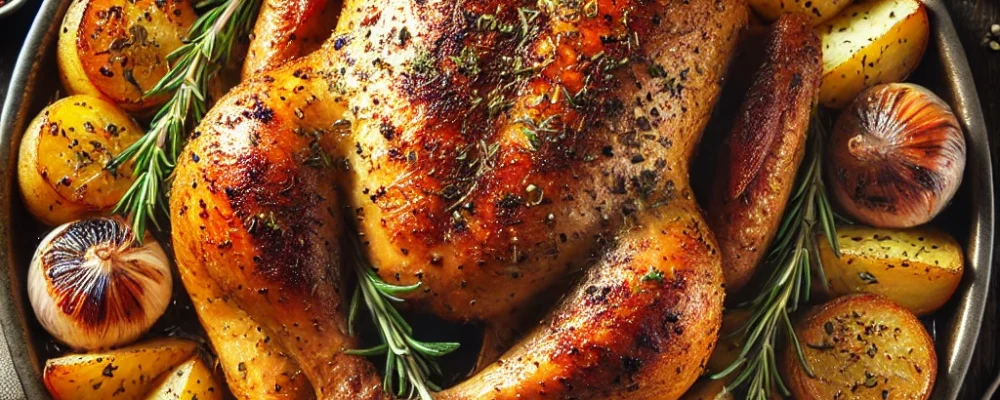
Roast Chicken with Potatoes, Onions, and Shallots

Healthy Fact of the Day

This Roast Chicken with Potatoes, Onions, and Shallots is a well-balanced meal that offers several nutritional benefits. Chicken is an excellent source of lean protein, essential for muscle maintenance and repair. Potatoes provide complex carbohydrates, fiber, and vitamin C. Onions and shallots are rich in antioxidants and have anti-inflammatory properties. Garlic is known for its potential cardiovascular benefits. The olive oil used provides heart-healthy monounsaturated fats. To make this dish even healthier, you could remove the chicken skin before eating to reduce saturated fat intake, and consider adding more non-starchy vegetables to the roasting pan, such as carrots or Brussels sprouts, to increase the fiber and nutrient content.

Ingredients


  • 1 whole chicken (about 4-5 lbs)
  • 2 lbs small potatoes, halved (mix of red and gold)
  • 1 large onion, cut into wedges
  • 8 shallots, peeled and halved
  • 1 whole head of garlic, cloves separated and peeled
  • 1/4 cup olive oil
  • 2 tbsp unsalted butter, softened
  • 2 lemons, one zested and juiced, one quartered
  • 2 tbsp fresh rosemary, chopped
  • 2 tbsp fresh thyme leaves
  • 1 tbsp paprika
  • 1 tsp dried oregano
  • Salt and freshly ground black pepper to taste
  • 1 cup chicken broth

Instructions

  1. Preheat oven to 425°F (220°C).

  2. Pat the chicken dry with paper towels, inside and out.

  3. In a small bowl, mix softened butter with lemon zest, half of the rosemary and thyme, paprika, oregano, salt, and pepper.

  4. Gently loosen the chicken skin and rub the butter mixture underneath and all over the chicken.

  5. Stuff the chicken cavity with quartered lemon and some herb sprigs.

  6. In a large roasting pan, toss potatoes, onion wedges, shallots, and garlic cloves with olive oil, remaining herbs, salt, and pepper.

  7. Place the chicken on top of the vegetables, breast side up.

  8. Pour chicken broth into the bottom of the pan.

  9. Roast for 20 minutes, then reduce heat to 375°F (190°C).

  10. Continue roasting for about 1 hour to 1 hour 15 minutes, or until chicken is golden brown and internal temperature reaches 165°F (74°C) at the thickest part of the thigh.

  11. Baste the chicken and vegetables with pan juices every 20 minutes.

  12. If vegetables brown too quickly, cover them with foil.

  13. Remove from oven and let rest for 15 minutes before carving.

  14. Squeeze the juice of the remaining lemon over the chicken and vegetables before serving.

Gather around the table and feast your eyes (and taste buds!) on this golden Roast Chicken with Potatoes, Onions, and Shallots! This classic dish brings together the timeless combination of succulent roast chicken and perfectly caramelized vegetables, all infused with aromatic herbs and zesty lemon. It’s like capturing the essence of a cozy Sunday dinner in one magnificent roasting pan. Whether you’re hosting a family gathering, impressing dinner guests, or simply treating yourself to a homemade comfort meal, this roast is sure to satisfy. The crispy-skinned chicken, tender potatoes, and sweet roasted onions and shallots create a symphony of flavors and textures that’ll have everyone reaching for seconds. So preheat that oven, truss that chicken, and get ready to fill your home with the irresistible aroma of a home-cooked feast – it’s like wrapping your whole family in a warm, delicious hug!
Recent Recipes

Campbell’s Just Did Something It Hasn’t Done

  • July 16, 2026
  • 3 min read

Grapefruit Margarita

  • July 16, 2026
  • 11 min read

The Forgotten Virtue of Eating Slowly

  • July 16, 2026
  • 11 min read

Loaded Baked Potato Salad

  • July 16, 2026
  • 5 min read

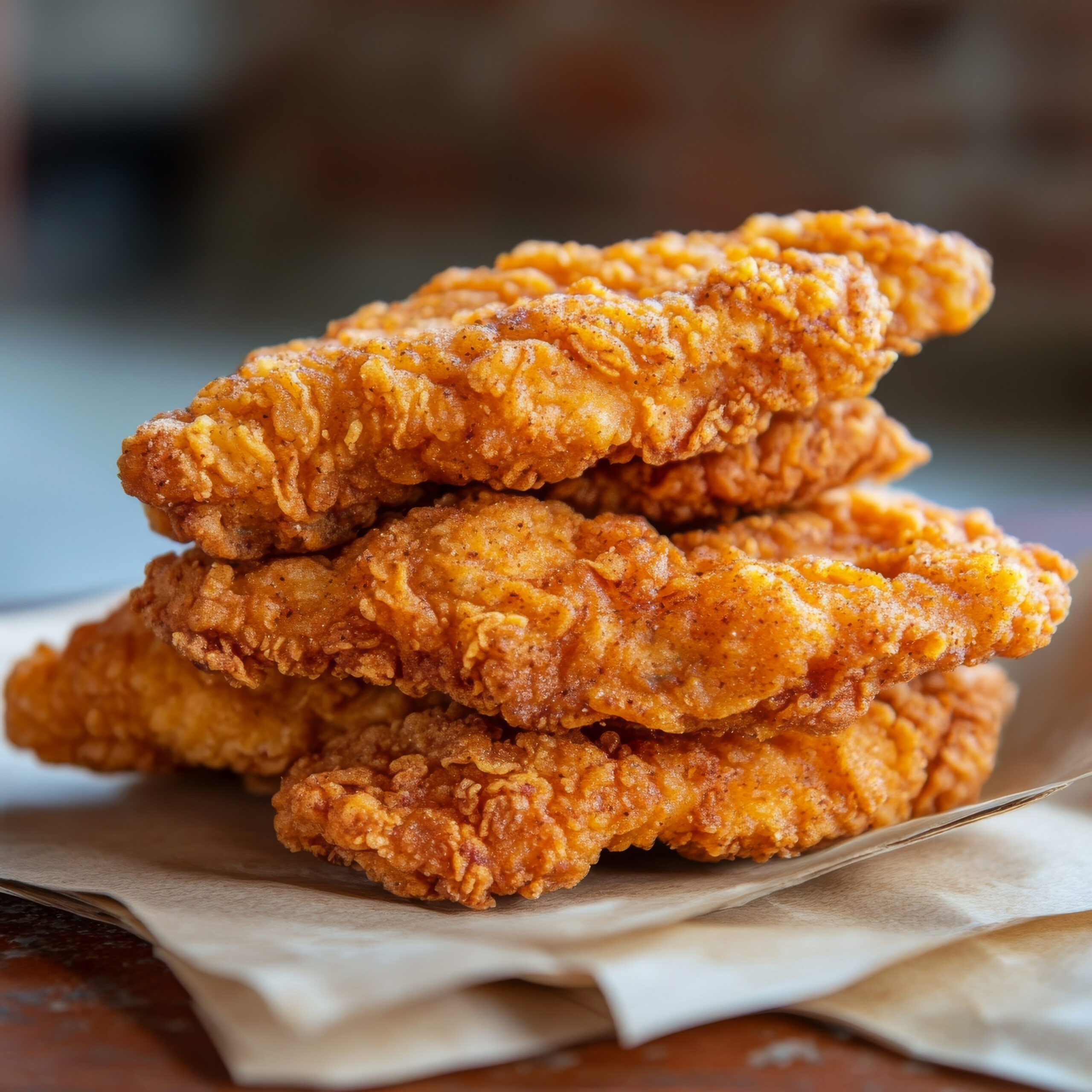
Wingstop Just Added a Chamoy Flavor —

  • July 15, 2026
  • 4 min read

The Summer Kitchen Without a Recipe: Learning

  • July 15, 2026
  • 10 min read

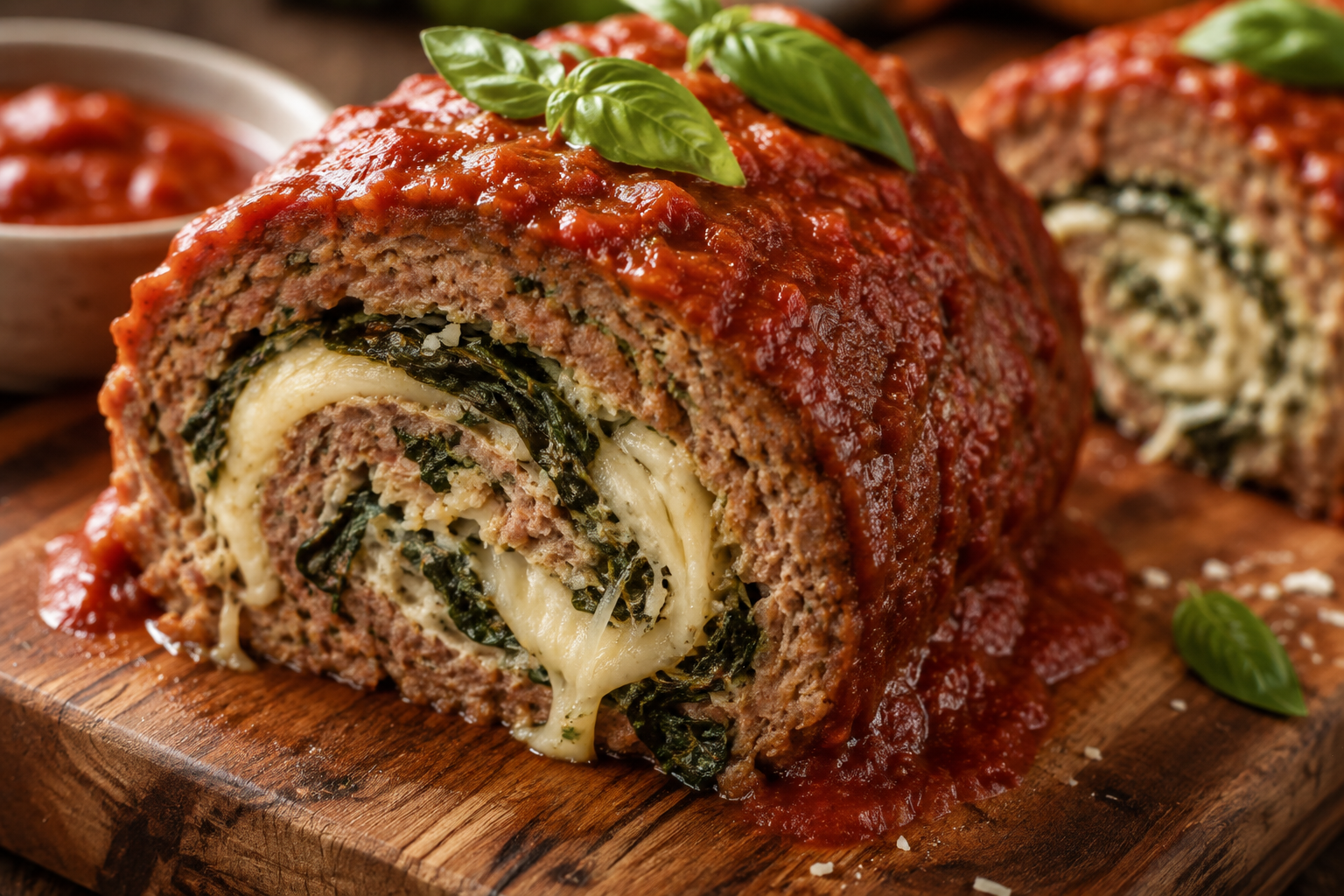
Cheesy Garlic Butter Mushroom Stuffed Chicken

  • July 15, 2026
  • 12 min read

Slow Cooker Chicken Pasta

  • July 15, 2026
  • 7 min read

McDonald’s Is Bringing Caesar Back — In

  • July 14, 2026
  • 3 min read

Bang Bang Shrimp Tacos

  • July 14, 2026
  • 10 min read

Tip of the Day

“Always let your meat rest before slicing.”

Whether you're roasting a chicken, grilling steak, or baking pork tenderloin, letting cooked meat rest for 5–10 minutes before slicing allows the juices to redistribute evenly. This simple step keeps your meat juicy and tender, ensuring every bite is flavorful and moist. Bonus: It gives you a moment to plate your sides or garnish for a perfect presentation!

Our Latest Recipes

Blog
Daily Disher

Campbell’s Just Did Something It Hasn’t Done in 128 Years — Changed the Color of Its Soup Can

Campbell’s Protein Soups are one of the more nutritionally complete canned soup options on the market right now — 20 grams of protein, 5 to 13 grams of fiber depending on the flavor, and notably lower sodium than many comparable canned soups. For an easy high-protein lunch, pair a can with a slice of whole grain toast or a handful of crackers to add complex carbohydrates that slow digestion and keep you fuller longer. The Mediterranean Lentil is the highest-fiber option of the five and a great choice for anyone looking to support digestive health alongside their protein goals. And because these soups are heat-and-serve, they’re a practical alternative to protein shakes on days when you want real food but don’t have time to cook.

Read More »
Beverages
Benjamin Brown

Grapefruit Margarita

Fresh grapefruit juice is loaded with vitamin C, lycopene, and antioxidants that support immune health and may help reduce inflammation — a citrus powerhouse in every sip!

Read More »
Blog
Daily Disher

The Forgotten Virtue of Eating Slowly

Multiple large-scale studies on eating pace and metabolic health have found that fast eaters are significantly more likely to be overweight, have elevated blood sugar levels, and develop metabolic syndrome compared to slow eaters — independent of the actual content of their diet. A 2017 study published in the British Medical Journal found that self-reported slow eaters had a significantly lower body mass index and waist circumference than fast eaters, with the difference persisting after controlling for diet quality, physical activity, and other confounding variables. The pace of eating appears to be an independent variable in metabolic health — making slow eating one of the most accessible and most evidence-supported dietary practices available, requiring no change in what is eaten but only in how it is eaten.

Read More »

Get your daily dose of delicious!

Skip to content