Daily Dish

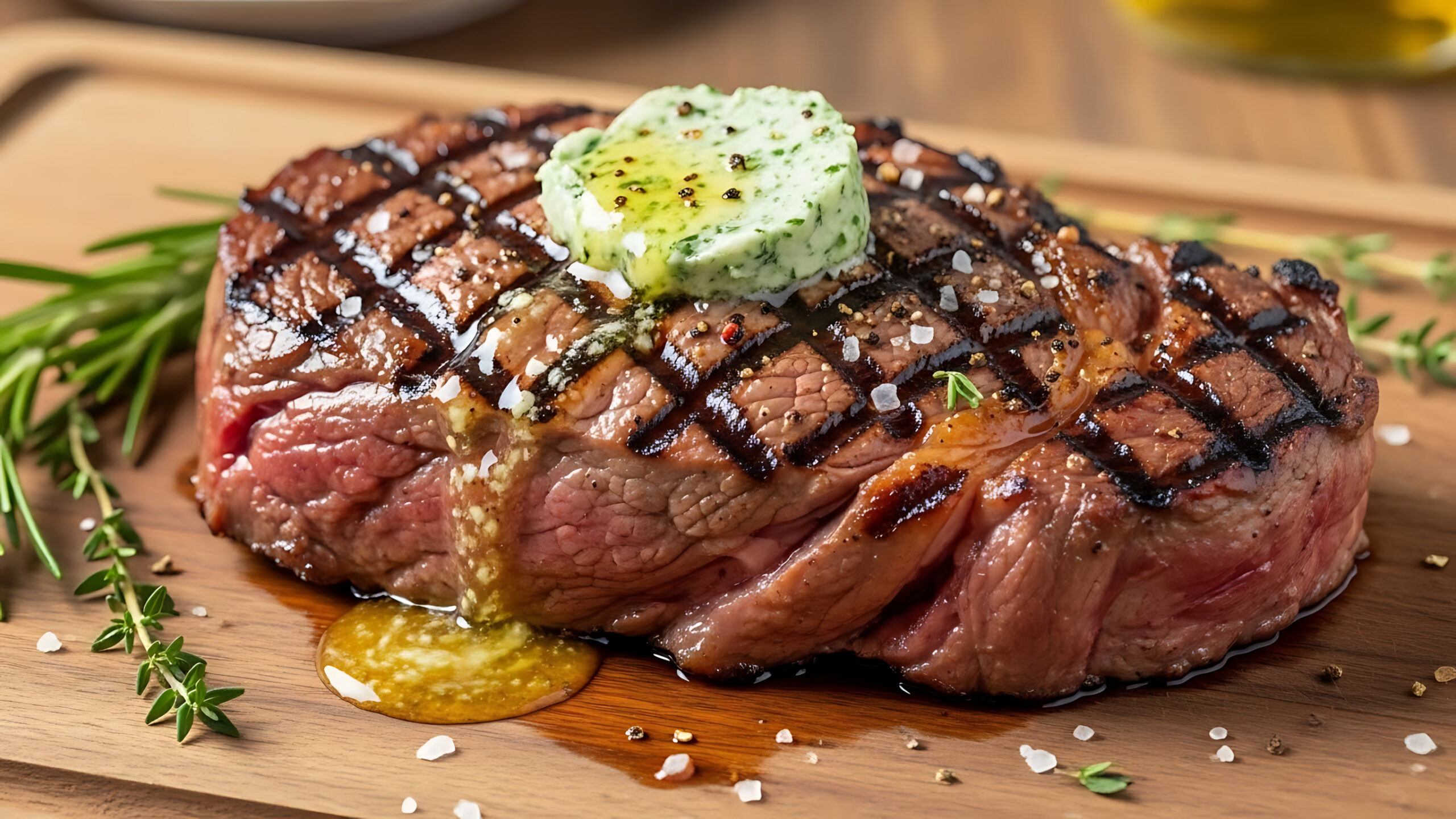
Perfect Pan-Seared Ribeye Steak

Healthy Fact of the Day

Ribeye steak is a good source of high-quality protein, essential for muscle maintenance and growth. It also provides important nutrients like iron, zinc, and B vitamins, particularly vitamin B12, which is crucial for nerve function and the formation of red blood cells. While ribeye is higher in fat compared to leaner cuts, consuming it in moderation can be part of a balanced diet.

Ingredients


  • 2 ribeye steaks (1.5 inches thick)
  • 2 tbsp vegetable oil
  • 2 tbsp unsalted butter
  • 3 cloves garlic, crushed
  • 2 sprigs fresh rosemary
  • Salt and freshly ground black pepper

Instructions

  1. Remove steaks from refrigerator 30 minutes before cooking. Pat dry with paper towels.

  2. Season generously with salt and pepper on both sides.

  3. Heat a cast-iron skillet over high heat until very hot. Add vegetable oil.

  4. Carefully place steaks in the skillet. Cook for 3-4 minutes on each side for medium-rare.

  5. Reduce heat to medium-low. Add butter, garlic, and rosemary to the skillet.

  6. Tilt the pan slightly and spoon the melted butter mixture over the steaks continuously for 1-2 minutes.

  7. Remove steaks from skillet and let rest on a cutting board for 5-10 minutes.

  8. Slice against the grain and serve with the pan juices drizzled over top.


Sink your teeth into this perfectly seared ribeye steak and savor the rich, buttery flavor that melts in your mouth. With its juicy interior and beautifully caramelized crust, this isn’t just a meal – it’s a carnivore’s dream come true that rivals any high-end steakhouse offering. Whether it’s for a special occasion or a luxurious weeknight indulgence, this ribeye is sure to satisfy your steak cravings and leave you feeling utterly content!
Recent Recipes

Hawaiian Chicken Tacos with Pineapple Salsa

  • July 28, 2026
  • 10 min read

Key West Grilled Chicken

  • July 28, 2026
  • 6 min read

The Cook’s Library: Books That Changed How

  • July 28, 2026
  • 10 min read

Samuel Adams Just Dropped Its Fall Beer

  • July 27, 2026
  • 3 min read

Air Fryer Cheese Bites

  • July 27, 2026
  • 11 min read

Dutch Oven Short Rip Ragu Pappardelle

  • July 27, 2026
  • 7 min read

The Table After Summer: Cooking Into the

  • July 27, 2026
  • 11 min read

Burger King Just Introduced a Free Whopper

  • July 26, 2026
  • 3 min read

Chocolate Caramel Cookie Bars

  • July 26, 2026
  • 18 min read

Roasted Garlic White Bean & Herb Bites

  • July 26, 2026
  • 15 min read

Tip of the Day

“Always let your meat rest before slicing.”

Whether you're roasting a chicken, grilling steak, or baking pork tenderloin, letting cooked meat rest for 5–10 minutes before slicing allows the juices to redistribute evenly. This simple step keeps your meat juicy and tender, ensuring every bite is flavorful and moist. Bonus: It gives you a moment to plate your sides or garnish for a perfect presentation!

Our Latest Recipes

Chicken Recipes
Benjamin Brown

Hawaiian Chicken Tacos with Pineapple Salsa

Chicken breast is one of the leanest proteins available, high in B vitamins and selenium. Using honey instead of refined sugar in the marinade provides trace minerals and antioxidants alongside sweetness. Pineapple contains bromelain, a natural enzyme that supports digestion and has anti-inflammatory properties, making this tropical salsa as functional as it is delicious.

Read More »
Chicken Recipes
Benjamin Brown

Key West Grilled Chicken

Lime juice in the marinade provides vitamin C and acts as a natural tenderizer through its citric acid content, producing a juicier, more tender finished chicken without any added fat. Honey is bold enough in flavor that a small amount delivers meaningful caramelization and sweetness on the grill, keeping the overall sugar content of the marinade moderate.

Read More »
Blog
Daily Disher

The Cook’s Library: Books That Changed How We Think About Food

Research on food literacy — the understanding of where food comes from, how it is produced, and what its nutritional and ecological implications are — consistently finds that higher food literacy is associated with better dietary quality, greater consumption of whole and minimally processed foods, and stronger motivation for sustainable food choices. Reading about food — not just recipe books but books about food culture, food systems, and food history — is one of the most effective ways to develop food literacy. The investment of time in the cook’s library produces measurable improvements in the quality of food choices that purely nutritional education does not achieve.

Read More »

Get your daily dose of delicious!

Skip to content