Daily Dish

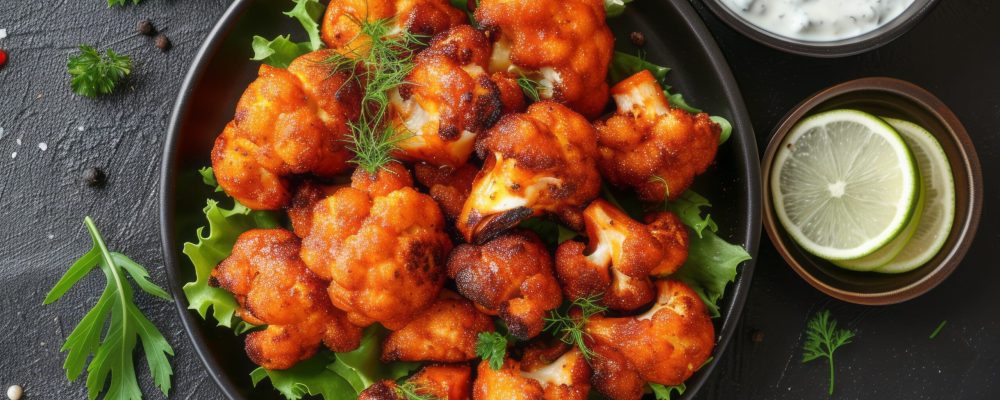
Nashville Hot Cauliflower

Healthy Fact of the Day

Cauliflower is low in calories but high in vitamins and minerals, particularly vitamin C and vitamin K. It's also a good source of fiber and antioxidants.

Ingredients


  • 1 large head cauliflower, cut into florets
  • 1 cup all-purpose flour
  • 1 cup buttermilk
  • 1 tsp paprika
  • 1 tsp garlic powder
  • 1 tsp salt
  • 1/2 tsp black pepper
  • Vegetable oil for frying


Nashville Hot Sauce:

  • 1/2 cup vegetable oil (from frying)
  • 2 tbsp cayenne pepper
  • 1 tbsp brown sugar
  • 1 tsp paprika
  • 1 tsp garlic powder
  • 1 tsp smoked paprika
  • 1/2 tsp salt


For serving:

  • Pickle slices
  • White bread slices
  • Ranch or blue cheese dressing


Instructions

  1. In a bowl, mix flour, paprika, garlic powder, salt, and black pepper.

  2. Pour buttermilk into a separate bowl.

  3. Dip cauliflower florets in buttermilk, then coat with seasoned flour mixture.

  4. Heat oil in a deep fryer or large pot to 350°F (175°C).

  5. Fry cauliflower in batches for 3-4 minutes until golden brown and crispy. Drain on paper towels.

  6. For the hot sauce, whisk together 1/2 cup of the frying oil with cayenne, brown sugar, paprika, garlic powder, smoked paprika, and salt.

  7. Brush or toss the fried cauliflower with the hot sauce.

  8. Serve immediately on white bread slices, topped with pickle chips and a side of ranch or blue cheese dressing.


Brace yourself for a flavor explosion with this Nashville Hot Cauliflower – a vegetarian take on the Southern classic that packs all the fiery punch of the original. Each crispy, spicy bite will have you feeling the heat and reaching for more, proving that vegetables can be just as bold and satisfying as any meat dish!


Recent Recipes

Cinco de Mayo and Taco Tuesday Fall

  • May 5, 2026
  • 3 min read

Smoky Brisket Tacos

  • May 5, 2026
  • 10 min read

Why Cooking From Memory Is the Real

  • May 5, 2026
  • 7 min read

Easy Ground Beef Enchiladas

  • May 5, 2026
  • 7 min read

Burger King Just Launched a Star Wars

  • May 4, 2026
  • 3 min read

Avocado Ranch Dip with Greek Yogurt

  • May 4, 2026
  • 11 min read

The Underrated Skill of Knowing When to

  • May 4, 2026
  • 8 min read

Creamy Philly Cheesesteak Casserole

  • May 4, 2026
  • 8 min read

No-Bake Peanut Butter Snickers Pie

  • May 3, 2026
  • 18 min read

Cucumber Cream Cheese Bites

  • May 3, 2026
  • 13 min read

Tip of the Day

“Always let your meat rest before slicing.”

Whether you're roasting a chicken, grilling steak, or baking pork tenderloin, letting cooked meat rest for 5–10 minutes before slicing allows the juices to redistribute evenly. This simple step keeps your meat juicy and tender, ensuring every bite is flavorful and moist. Bonus: It gives you a moment to plate your sides or garnish for a perfect presentation!

Our Latest Recipes

Blog
Daily Disher

Cinco de Mayo and Taco Tuesday Fall on the Same Day — Here Are the Best Deals to Take Advantage Of Right Now

Cinco de Mayo is a great excuse to enjoy tacos, but the extras can add up fast. Choosing corn tortillas over flour saves calories and is naturally gluten-free, while loading up on fresh salsa, pico de gallo, and lime instead of sour cream and extra cheese keeps things lighter without sacrificing flavor. If you’re hitting happy hour, alternating each cocktail with a glass of water is one of the simplest ways to pace yourself and feel better tomorrow morning.

Read More »
Entrees
Benjamin Brown

Smoky Brisket Tacos

Brisket is rich in protein, iron, and B vitamins, particularly B12 which supports energy production and nervous system health. Slow-roasting breaks down tough connective tissue into collagen and gelatin, making the meat tender while creating a flavorful cooking liquid. Using modest portions with plenty of fresh vegetables keeps this indulgent cut balanced and satisfying.

Read More »
Blog
Daily Disher

Why Cooking From Memory Is the Real Test of a Chef

Cooks who prepare meals from memory and internalized knowledge — rather than following recipes that often include precise quantities of salt, fat, and sugar — tend to season more intuitively and moderately, adjusting to taste rather than to a fixed measurement. Research on home cooking habits suggests that intuitive cooking is associated with lower use of added sodium and refined ingredients compared to strict recipe-following, where measured amounts are added regardless of the cook’s in-the-moment assessment of what the dish actually needs.

Read More »

Get your daily dose of delicious!

Skip to content












