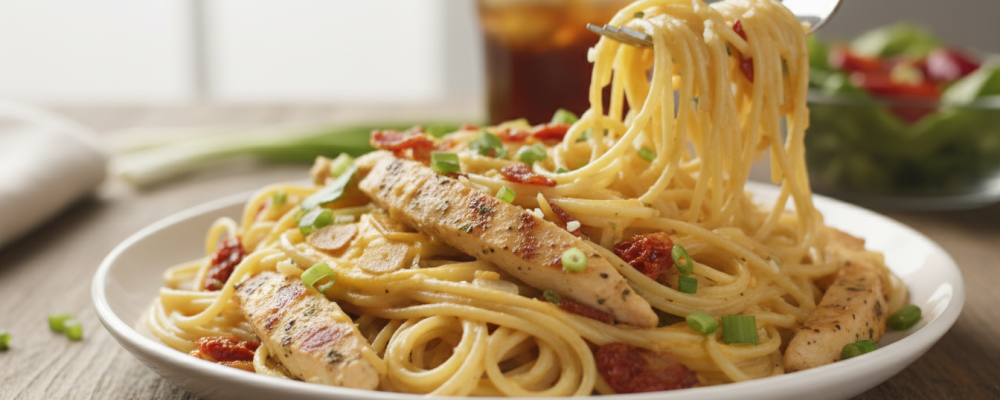

There’s something wonderfully satisfying about one-pan pasta dishes that manage to be both hearty and colorful, and this Monterey Chicken Spaghetti delivers exactly that experience. The combination of tender chicken, vibrant bell peppers, earthy mushrooms, and melted Monterey Jack cheese creates a dish that’s visually appealing and packed with flavor. What sets this apart from standard spaghetti is the Monterey Jack—its creamy, mild flavor and excellent melting properties create a sauce that’s richer and more interesting than plain marinara, while the addition of vegetables makes every forkful feel complete and satisfying.
I developed this recipe while exploring how to make pasta dishes feel more substantial and nutritionally balanced without adding complexity. The key was building layers of flavor through proper technique—browning the chicken first for caramelization, sautéing aromatics to release their essential oils, cooking vegetables until tender but not mushy, and finally stirring cheese into hot sauce so it melts smoothly without becoming stringy. The Monterey Jack is crucial here; it melts into the marinara creating a creamy, cohesive sauce that coats the spaghetti beautifully rather than just sitting on top.
What makes this dish particularly appealing is its versatility and crowd-pleasing nature. The flavors are bold enough to be interesting but familiar enough that even picky eaters tend to enjoy it. The vegetables add nutrition and texture without overwhelming, the chicken provides substantial protein, and the cheese creates that comforting richness that makes you want to twirl one more forkful onto your fork. It’s the kind of meal that works for busy weeknights but also feels special enough to serve to guests at casual gatherings.
The Inspiration Behind This Recipe
This dish emerged from the American tradition of combining Italian pasta preparations with Tex-Mex and California influences—the Monterey Jack cheese specifically signals that West Coast, Mexican-American fusion that has become part of mainstream American cooking. Monterey Jack, created in Monterey, California in the 1700s, has become a staple in American kitchens because it melts beautifully and has a mild flavor that plays well with other ingredients.
I wanted to create a pasta dish that felt complete in a single pan—protein, vegetables, carbs, and cheese all working together harmoniously. The bell peppers and mushrooms aren’t just afterthoughts; they’re integral to the dish, adding sweetness, earthiness, and visual appeal that makes the plate more interesting. The touch of red pepper flakes provides just enough warmth to keep things interesting without overwhelming those who prefer milder flavors.
The technique of stirring cheese into hot sauce rather than sprinkling it on top creates a creamy, cohesive coating rather than clumpy cheese that doesn’t integrate. This small detail makes a significant difference in the final texture and eating experience.
A Brief History of Fusion Pasta Dishes
While pasta is fundamentally Italian, American cooking has enthusiastically adapted it, creating fusion dishes that reflect America’s diverse culinary influences. Tex-Mex pasta dishes became popular in the Southwest, California cuisine embraced fresh vegetables and local cheeses, and home cooks nationwide began experimenting with combining Italian pasta with ingredients from other traditions.
Monterey Jack cheese specifically represents California’s Mexican-influenced food culture. When it’s combined with Italian pasta and marinara, you get a distinctly American fusion dish that wouldn’t exist in traditional Italian cuisine but has become beloved in its own right.
This Monterey Chicken Spaghetti represents that American comfort food evolution—taking familiar components and combining them in ways that feel both innovative and comforting, creating something that’s become a new classic in its own right.
Why This Cooking Method Works
Browning chicken first develops flavor through caramelization while creating fond—those flavorful bits stuck to the pan that will flavor everything that follows. Removing the chicken temporarily prevents overcooking while you prepare the vegetables.
Sautéing aromatics (onion and garlic) in that same pan allows them to pick up the chicken flavor while releasing their own aromatic compounds into the oil. Adding vegetables in stages based on cooking time ensures everything finishes at optimal doneness—bell peppers and mushrooms need similar cooking times, so they go in together.
Simmering the sauce for ten minutes allows flavors to meld while the vegetables finish softening and releasing their juices into the sauce. This creates depth and complexity that quick-cooked sauce can’t achieve.
Stirring Monterey Jack into hot sauce while it’s off the heat or on very low heat ensures smooth melting without separation. High heat can cause cheese proteins to seize and become grainy, but gentle warmth creates that creamy, luscious texture you want.
Flavor Profile: What to Expect
This pasta delivers satisfying, well-balanced flavors:
- Tender, well-seasoned chicken providing substantial protein
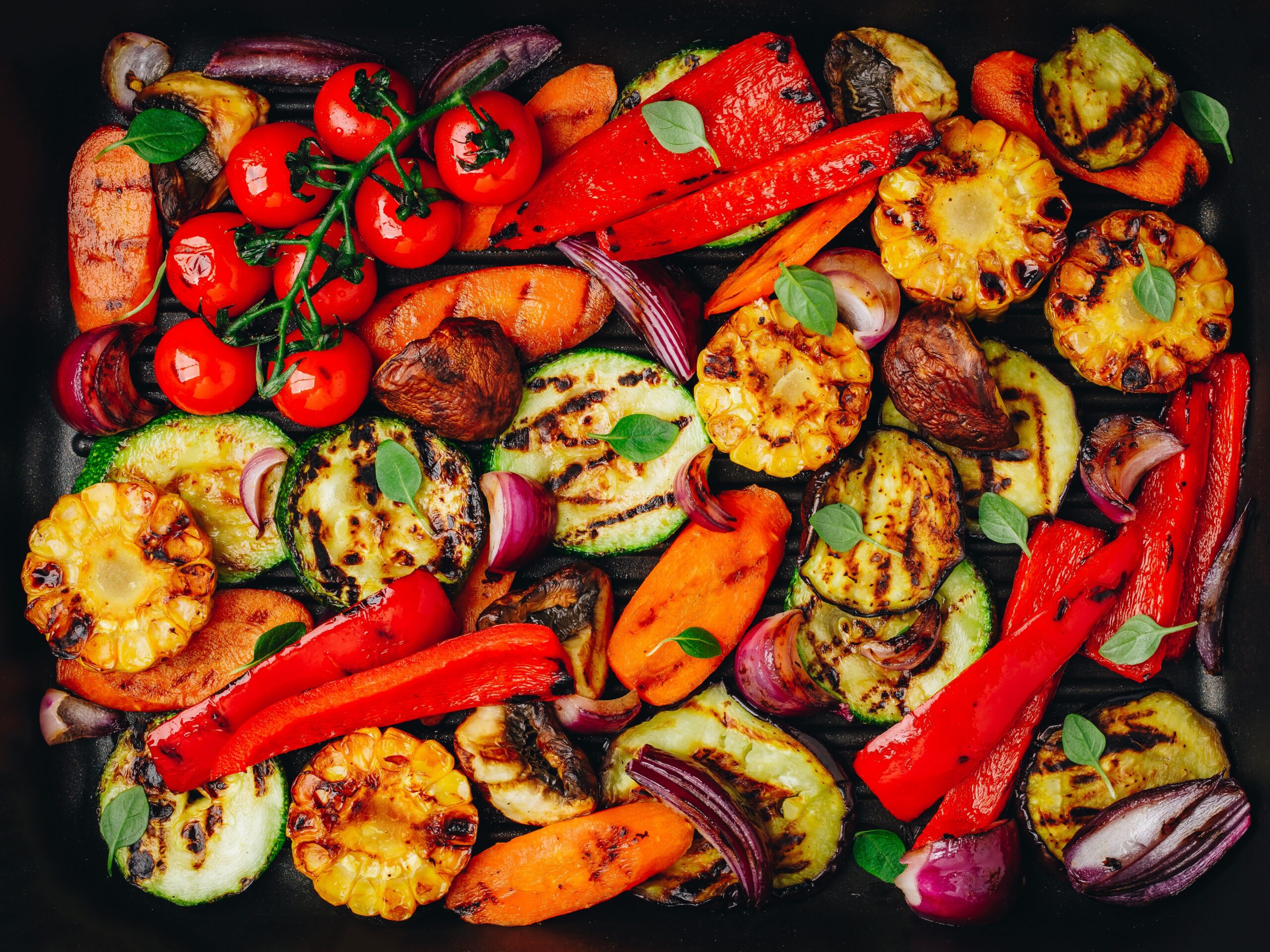
- Sweet bell peppers adding color and natural sweetness
- Earthy mushrooms contributing umami depth
- Creamy, melted Monterey Jack creating rich sauce
- Tangy marinara providing familiar tomato foundation
- Aromatic garlic and onion adding savory backbone
- Subtle heat from red pepper flakes
- Fresh, herbal finish from basil and Parmesan
The result is pasta that feels complete and satisfying—comfort food that doesn’t sacrifice nutrition or visual appeal.
Tips for Making the Best Monterey Chicken Spaghetti
Small adjustments ensure consistently excellent results:
- Cook pasta al dente: It will continue absorbing sauce after combining, so slight undercooking prevents mushiness.
- Don’t overcook vegetables: They should be tender but still have some bite, not mushy.
- Use freshly shredded cheese: Pre-shredded contains anti-caking agents that affect melting.
- Stir cheese off heat: This prevents separation and ensures smooth, creamy texture.
- Reserve pasta water: A splash can help loosen sauce if it becomes too thick.
- Use fresh basil: Dried doesn’t provide the same bright, fresh flavor.
For extra richness, you can add a splash of cream along with the cheese. For more heat, increase red pepper flakes or add diced jalapeños with the bell peppers. For different vegetables, zucchini or spinach work beautifully.
Serving Suggestions and Side Pairings
This complete one-pan meal pairs with simple accompaniments:
- Garlic bread or crusty Italian bread
- Caesar salad or mixed greens with Italian vinaigrette
- Simple cucumber and tomato salad
- Roasted asparagus or green beans
- Antipasto platter as appetizer
The pasta is substantial and complete, so sides should be light and provide contrast rather than adding more richness or competing flavors.
Storage, Reheating, and Make-Ahead Tips
This pasta stores well and reheats beautifully:
- Refrigerate in an airtight container for up to 4 days
- Reheat on stovetop with splash of broth or water to restore moisture
- Freeze for up to 3 months—thaw overnight before reheating
- Make ahead by preparing through the sauce stage, then cook pasta and combine when ready to serve
The pasta will continue to absorb sauce as it sits, so adding a bit of liquid when reheating helps restore the original consistency. The flavors actually deepen overnight, making leftovers particularly delicious.
Why This Recipe Deserves a Spot in Your Rotation
This Monterey Chicken Spaghetti proves that satisfying, complete meals don’t require multiple pots and complicated techniques. It delivers restaurant-quality flavor and visual appeal in a single pan, making it perfect for busy weeknights when you want something better than plain pasta but don’t have time for elaborate cooking. The balanced nutrition—protein, vegetables, carbs—makes it feel like a responsible dinner choice even though it’s indulgent enough to satisfy comfort food cravings.
Once you’ve experienced how well this combination works and how easy it is to execute, you’ll find yourself making it regularly and perhaps experimenting with different cheese varieties or vegetable combinations while maintaining the core technique that ensures success.
Recommended Drink Pairing
The rich, savory flavors of this pasta pair wonderfully with Italian wines that offer complementary characteristics. A Chianti or Sangiovese provides enough acidity to cut through the cheese while complementing the marinara. For white wine lovers, a Pinot Grigio offers refreshing contrast.
For beer, try an Italian lager or amber ale that won’t overwhelm the flavors. Non-alcoholic options like Italian soda, sparkling water with lemon, or iced tea all provide refreshing accompaniment to this hearty, flavorful pasta.
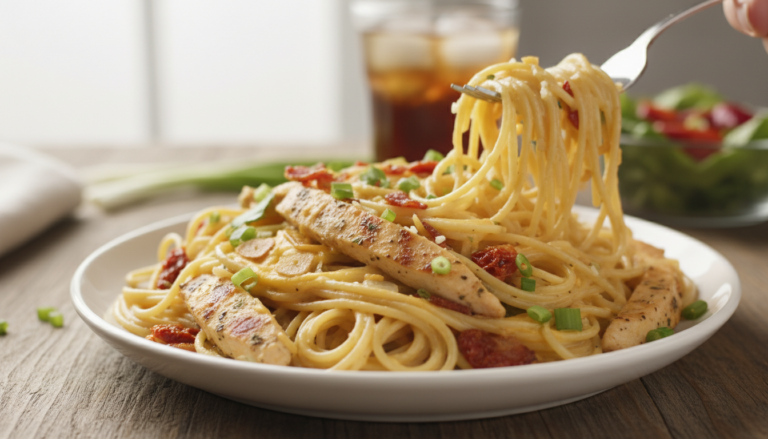
Monterey Chicken Spaghetti
Monterey Chicken Spaghetti combines tender chicken, colorful vegetables, and melted Monterey Jack cheese with marinara for creamy, satisfying one-pan comfort.
4
servings20
minutes40
minutes500
kcal1
hourIngredients
1 pound spaghetti
1.5 cups Monterey Jack cheese, shredded
2 tablespoons olive oil
1 pound chicken breasts, diced
1 cup onion, chopped
2 cloves garlic, minced
1 cup bell peppers, chopped
1 cup mushrooms, sliced
1 teaspoon salt
0.5 teaspoon black pepper
0.5 teaspoon red pepper flakes
24 ounces marinara sauce
0.5 cup Parmesan cheese, grated
2 tablespoons fresh basil, chopped
Directions
- Cook the spaghetti according to the package instructions until al dente, then drain and set aside.
- In a large skillet, heat the olive oil over medium heat. Add the diced chicken breasts and cook until lightly browned.
- Add the chopped onion and minced garlic to the skillet with the chicken, sautéing until the onion is translucent.
- Mix in the bell peppers and mushrooms, cooking until the vegetables have softened, about 5 minutes.
- Season the chicken and vegetables with salt, black pepper, and red pepper flakes, stirring well to combine.
- Pour the marinara sauce into the skillet, reducing the heat to low and simmering for 10 minutes.
- Stir the shredded Monterey Jack cheese into the sauce until melted and incorporated.
- Combine the cooked spaghetti with the sauce in the skillet, tossing to ensure the pasta is well coated.
- Transfer the mixture to a serving dish, sprinkling with grated Parmesan cheese and fresh chopped basil before serving.
Nutrition Facts
- Total number of serves: 4
- Calories: 500kcal
- Cholesterol: 0mg
- Sodium: 620mg
- Potassium: 400mg
- Sugar: 8g
- Protein: 6g
- Calcium: 60mg
- Iron: 2mg
About This Author

Amelia Grace
Editor-in-Chief & Culinary Director
The heart and guiding voice of Daily Dish, Amelia leads our editorial vision and recipe development. With a background in food journalism and over a decade spent in professional kitchens, she has a knack for blending gourmet technique with real-world accessibility. Her goal? To make every reader feel like a confident cook, one dish at a time.
Favorite dish: Creamy lemon risotto with a sprinkle of fresh thyme.
Kitchen motto: “Good food doesn’t have to be complicated — it just has to be made with heart.”