Daily Dish

Honey Mustard Glazed Baked Chicken

Healthy Fact of the Day

Chicken is a lean source of protein that supports muscle health and overall well-being. When glazed with a combination of honey and mustard, it creates a delightful balance of sweet and savory flavors.

Ingredients


For the Honey Mustard Glaze:

  • 1/4 cup Dijon mustard
  • 1/4 cup honey
  • 2 tablespoons olive oil
  • 2 cloves garlic, minced
  • 1 teaspoon dried thyme
  • Salt and black pepper to taste


For the Baked Chicken:

  • 4 bone-in, skin-on chicken thighs
  • 4 bone-in, skin-on chicken drumsticks
  • Salt and black pepper to taste
  • Fresh thyme sprigs for garnish (optional)


Instructions

For the Honey Mustard Glaze:

  1. In a small bowl, whisk together the Dijon mustard, honey, olive oil, minced garlic, dried thyme, salt, and black pepper. Set aside.


For the Baked Chicken:

  1. Preheat your oven to 375°F (190°C).
  2. Season the chicken thighs and drumsticks with salt and black pepper.
  3. Place the chicken pieces in a baking dish, skin-side up.
  4. Brush the honey mustard glaze generously over each piece of chicken.
  5. Bake in the preheated oven for 35-40 minutes, or until the chicken reaches an internal temperature of 165°F (74°C) and the skin is crispy and golden brown.
  6. During baking, baste the chicken with additional glaze every 15 minutes for extra flavor and moisture.
  7. Garnish your Honey Mustard Glazed Baked Chicken with fresh thyme sprigs if desired.
  8. Serve the chicken hot, with any remaining glaze on the side for dipping.


This honey mustard glazed baked chicken is a mouthwatering combination of sweet and savory flavors. Enjoy the succulent chicken with its crispy skin and delightful glaze!

Recent Recipes

Check Your Pantry and Freezer: Three More

  • May 7, 2026
  • 5 min read

Long Island Iced Coffee

  • May 7, 2026
  • 11 min read

What a Chef Learns in the First

  • May 7, 2026
  • 8 min read

Spicy Firecracker Hot Dogs

  • May 7, 2026
  • 8 min read

Check Your Pantry: Utz Is Recalling 9

  • May 6, 2026
  • 3 min read

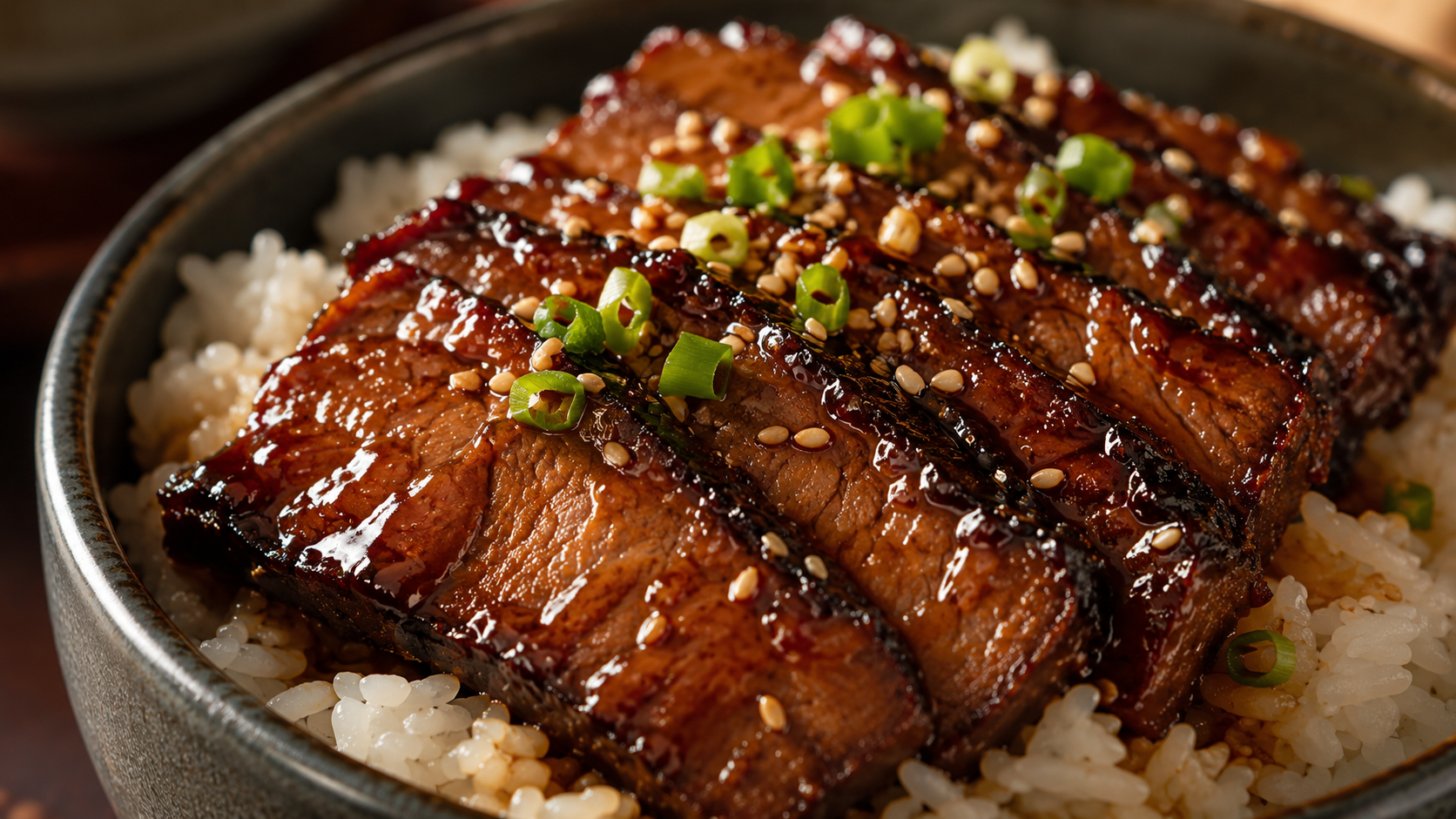
Maple Bourbon Glazed Short Ribs

  • May 6, 2026
  • 12 min read

The Dinner Party Mistakes Even Good Home

  • May 6, 2026
  • 8 min read

Spinach Artichoke Chicken Bake

  • May 6, 2026
  • 8 min read

Cinco de Mayo and Taco Tuesday Fall

  • May 5, 2026
  • 3 min read

Smoky Brisket Tacos

  • May 5, 2026
  • 10 min read

Tip of the Day

“Always let your meat rest before slicing.”

Whether you're roasting a chicken, grilling steak, or baking pork tenderloin, letting cooked meat rest for 5–10 minutes before slicing allows the juices to redistribute evenly. This simple step keeps your meat juicy and tender, ensuring every bite is flavorful and moist. Bonus: It gives you a moment to plate your sides or garnish for a perfect presentation!

Our Latest Recipes

Blog
Daily Disher

Check Your Pantry and Freezer: Three More Recalls Tied to the Same Salmonella Supplier

When a supplier-level recall like this one unfolds across multiple brands, it’s a strong reminder that food safety isn’t just about individual products — it’s about the entire ingredient chain. A practical habit: keep a photo on your phone of the lot codes on frequently purchased pantry staples and freezer items so you can quickly cross-reference them against recall announcements without digging through cabinets. Bookmarking the FDA and USDA recall pages and checking them weekly takes less than a minute and can prevent a serious illness.

Read More »
Beverages
Benjamin Brown

Long Island Iced Coffee

Cold brew coffee contains less acid than hot-brewed coffee, making it easier on your stomach while still delivering powerful antioxidants and metabolism-boosting caffeine!

Read More »
Blog
Daily Disher

What a Chef Learns in the First Year That Takes a Home Cook a Decade

Studies on skill acquisition and habit formation consistently show that deliberate practice — defined as repetition with specific attention to feedback and adjustment — produces skill development significantly faster than unstructured repetition alone. Applied to cooking, this means that a home cook who practices a technique with conscious attention to what is and isn’t working will develop culinary skill measurably faster than one who cooks frequently but without this quality of engagement — making the mindset of practice as important as the frequency of cooking.

Read More »

Get your daily dose of delicious!

Skip to content