Daily Dish

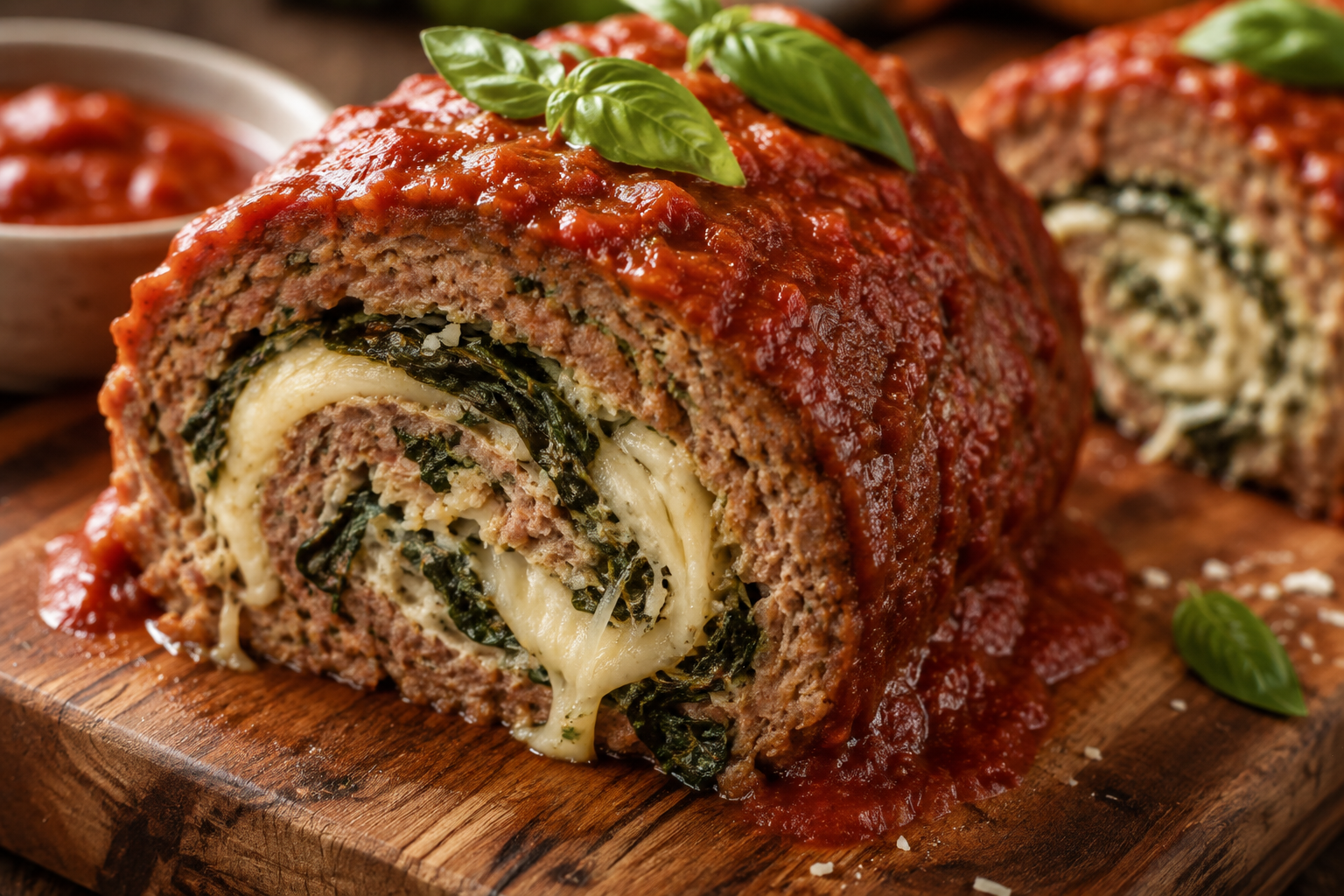
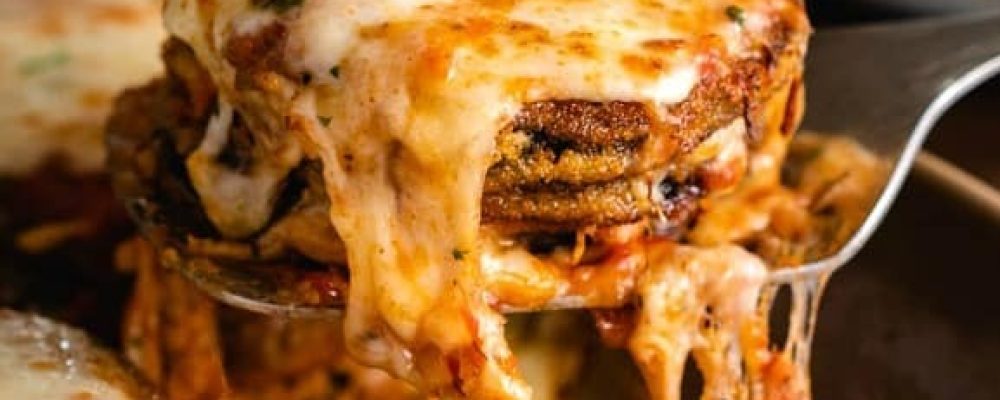
Eggplant Parmesan 

Healthy Fact of the Day

Eggplants are a great source of dietary fiber, vitamins, and minerals. They're low in calories and can support heart health and weight management when prepared without excessive oil or cheese.

Ingredients

2 large eggplants, thinly sliced
Salt
2 cups all-purpose flour
4 large eggs
2 cups breadcrumbs (preferably Italian-style)
2 cups marinara sauce
2 cups shredded mozzarella cheese
1/2 cup grated Parmesan cheese
Fresh basil leaves for garnish (optional)
Olive oil for frying

Instructions

  1. Place the eggplant slices in a colander and sprinkle with salt. This helps remove excess moisture and bitterness. Let them sit for about 30 minutes. Then, rinse and pat dry with paper towels.
  2. In three separate shallow bowls, prepare your breading station. Place flour in one bowl, whisked eggs in another, and breadcrumbs in the third.
  3. Heat about 1/4 inch of olive oil in a large skillet over medium-high heat.
  4. Dredge each eggplant slice in the flour, ensuring it’s coated evenly, then dip it in the beaten eggs, and finally coat it with breadcrumbs. Shake off any excess breadcrumbs.
  5. Fry the breaded eggplant slices in batches, about 2-3 minutes per side, or until they are golden brown and crispy. Place them on paper towels to drain excess oil.
  6. Preheat your oven to 375°F (190°C).
  7. In a baking dish, spread a thin layer of marinara sauce. Place a layer of fried eggplant slices on top, followed by a layer of mozzarella and Parmesan cheese. Repeat the layers until all ingredients are used, finishing with a layer of cheese on top.
  8. Bake in the preheated oven for 20-25 minutes, or until the cheese is bubbly and golden brown.
  9. Garnish with fresh basil leaves, if desired.
  10. Serve your Eggplant Parmesan hot as a delicious and satisfying main course.

This classic Italian dish is a delightful way to enjoy eggplants, crispy on the outside and tender on the inside, layered with rich marinara sauce and melted cheese. Buon appetito!
Recent Recipes

Culver’s Is Testing a New Parmesan Burger

  • June 16, 2026
  • 3 min read

The Food Scientist’s Guide to a Better

  • June 16, 2026
  • 10 min read

Pork Belly Tacos

  • June 16, 2026
  • 10 min read

Grilled Mini Sweet Peppers with Goat Cheese

  • June 16, 2026
  • 8 min read

The Lost Language of Regional American Food

  • June 15, 2026
  • 10 min read

Lemon Chicken Romano

  • June 15, 2026
  • 9 min read

Pepsi Just Dropped a 28-Can Variety Pack

  • June 15, 2026
  • 4 min read

S’mores Muddy Buddies

  • June 15, 2026
  • 11 min read

Father’s Day Is One Week Away —

  • June 14, 2026
  • 4 min read

Chocolate Caramel Cheesecake Bites

  • June 14, 2026
  • 16 min read

Tip of the Day

“Always let your meat rest before slicing.”

Whether you're roasting a chicken, grilling steak, or baking pork tenderloin, letting cooked meat rest for 5–10 minutes before slicing allows the juices to redistribute evenly. This simple step keeps your meat juicy and tender, ensuring every bite is flavorful and moist. Bonus: It gives you a moment to plate your sides or garnish for a perfect presentation!

Our Latest Recipes

Blog
Daily Disher

Culver’s Is Testing a New Parmesan Burger — And Fans Are Already Willing to Drive for It

One genuinely interesting detail about the Buttery Parmesan Pub Burger is the salad blend base — mixed greens instead of standard iceberg lettuce. While it seems like a small detail, mixed greens provide significantly more vitamins and antioxidants than iceberg, which is largely water. If you’re watching your overall intake, opting for the grilled chicken version over the beef patty saves meaningful calories and saturated fat while keeping all the same Parmesan crisps and sauce that reviewers are raving about. Asking for light mayo is another easy swap that reduces calories without losing the creamy texture in the build.

Read More »
Blog
Daily Disher

The Food Scientist’s Guide to a Better Home Kitchen

Understanding the science of cooking temperatures and protein denaturation has direct nutritional implications: cooking proteins at lower temperatures for longer periods — as in poaching, sous vide preparation, and gentle braising — preserves significantly more of the heat-sensitive B vitamins, particularly thiamine and B6, than high-heat cooking methods. The same scientific principles that produce better texture in gently cooked proteins also produce better nutritional retention — making the food science of low-temperature cooking a nutritional consideration as much as a culinary one.

Read More »
Entrees
Benjamin Brown

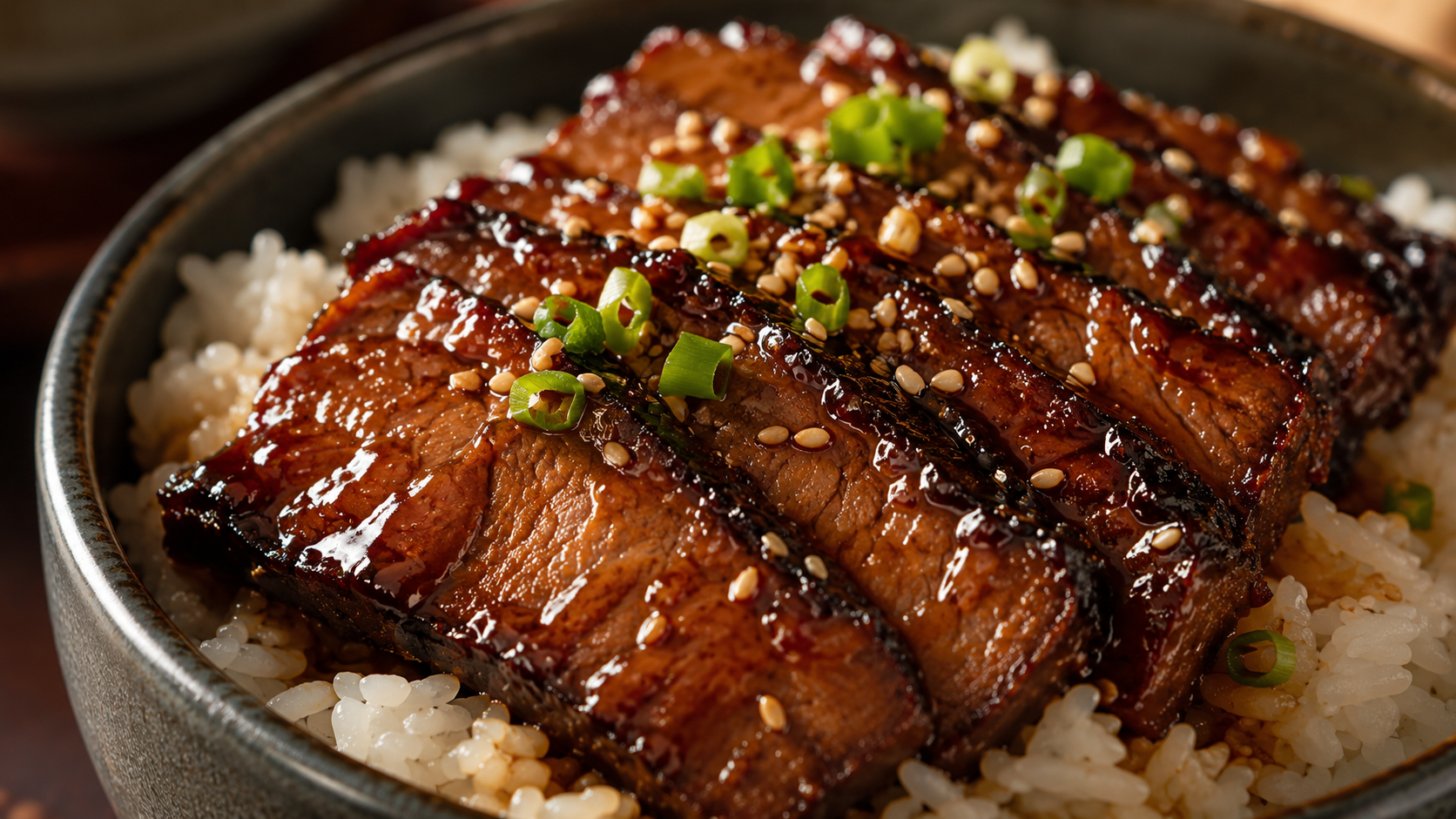
Pork Belly Tacos

While pork belly is undeniably rich, it provides high-quality protein and contains monounsaturated fats similar to those in olive oil. The key to enjoying it is portion control and balance—a few slices of pork belly with plenty of fresh vegetables and citrus creates a satisfying meal. The orange juice marinade adds vitamin C while helping tenderize the meat.

Read More »

Get your daily dose of delicious!

Skip to content