Daily Dish

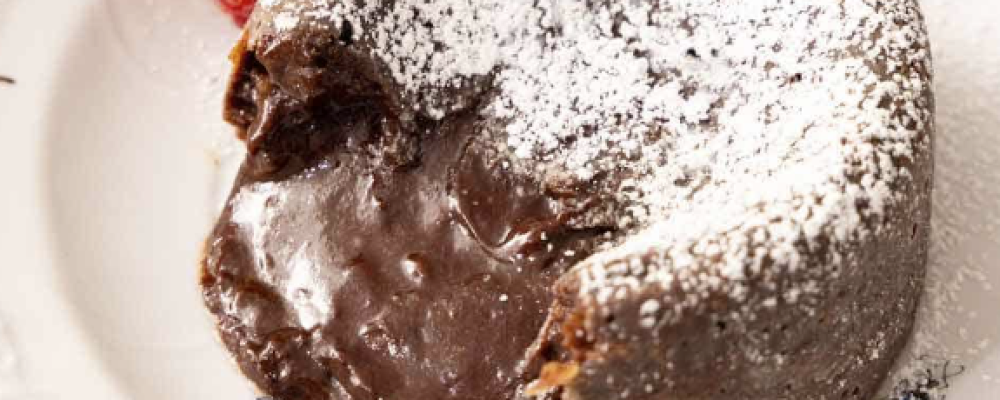
Decadent Molten Chocolate Lava Cakes

Healthy Fact of the Day

While rich and indulgent, these molten chocolate lava cakes are made with simple, high-quality ingredients. Enjoyed in moderation, they can be a decadent treat without excessive added sugars or unhealthy fats.

Ingredients


  • 1/2 cup (1 stick) unsalted butter, plus more for greasing
  • 6 oz semi-sweet chocolate, chopped
  • 2 large eggs
  • 2 large egg yolks
  • 1/4 cup granulated sugar
  • 2 teaspoons all-purpose flour
  • 1/4 teaspoon salt
  • Powdered sugar for dusting (optional)
  • Vanilla ice cream or whipped cream for serving (optional)

Instructions


  1. Preheat your oven to 425°F (220°C). Grease 4 individual ramekins or oven-safe baking cups with butter and set them on a baking sheet.

  2. In a double boiler or a heatproof bowl set over a pot of simmering water, melt the butter and chocolate together, stirring occasionally until smooth and combined. Remove from heat and let cool slightly.

  3. In a separate bowl, whisk together the eggs, egg yolks, and granulated sugar until pale and fluffy.

  4. Gently whisk the egg mixture into the melted chocolate mixture until well combined.

  5. Fold in the flour and salt, being careful not to overmix.

  6. Divide the batter evenly among the prepared ramekins or baking cups.

  7. Bake for 12-14 minutes, or until the edges are set and the centers are still slightly jiggly.

  8. Remove the lava cakes from the oven and let cool for 2-3 minutes.

  9. Run a knife around the edges of the ramekins to loosen the cakes, then carefully invert them onto serving plates.

  10. Dust with powdered sugar and serve warm, optionally with a scoop of vanilla ice cream or a dollop of whipped cream.

Enjoy these decadent and gooey molten chocolate lava cakes for a special occasion or whenever you’re craving a luxurious chocolate dessert!


Recent Recipes

Air Fryer Cheese Bites

  • July 27, 2026
  • 11 min read

Dutch Oven Short Rip Ragu Pappardelle

  • July 27, 2026
  • 7 min read

The Table After Summer: Cooking Into the

  • July 27, 2026
  • 11 min read

Burger King Just Introduced a Free Whopper

  • July 26, 2026
  • 3 min read

Chocolate Caramel Cookie Bars

  • July 26, 2026
  • 18 min read

Roasted Garlic White Bean & Herb Bites

  • July 26, 2026
  • 15 min read

Lemongrass Coconut Shrimp & Jasmine Rice Bowls

  • July 26, 2026
  • 15 min read

Honey Tahini Baked Granola Yogurt Cups

  • July 26, 2026
  • 15 min read

Southwest Pasta Salad

  • July 26, 2026
  • 5 min read

The Grain That Deserves More Space on

  • July 26, 2026
  • 10 min read

Tip of the Day

“Always let your meat rest before slicing.”

Whether you're roasting a chicken, grilling steak, or baking pork tenderloin, letting cooked meat rest for 5–10 minutes before slicing allows the juices to redistribute evenly. This simple step keeps your meat juicy and tender, ensuring every bite is flavorful and moist. Bonus: It gives you a moment to plate your sides or garnish for a perfect presentation!

Our Latest Recipes

Appetizers
Benjamin Brown

Air Fryer Cheese Bites

These cheese bites provide high-quality protein and calcium from both mozzarella and Parmesan while using the air fryer’s minimal oil cooking method. Parmesan is also naturally lower in lactose than many cheeses, making it more tolerable for those with mild dairy sensitivities.

Read More »
Entrees
Amelia Grace

Dutch Oven Short Rip Ragu Pappardelle

Braising short ribs in a Dutch oven renders a significant amount of the intramuscular fat into the cooking liquid during the long cook—skimming the sauce before shredding the meat removes much of that rendered fat while retaining all of the deep, beef-enriched flavor the braise has developed. Short ribs are also an excellent source of protein, iron, and zinc, making this indulgent-tasting dish more nutritionally substantive than it might appear.

Read More »
Blog
Daily Disher

The Table After Summer: Cooking Into the Season’s End

Late summer produce — particularly the nightshades at their peak — contains some of the highest concentrations of dietary antioxidants available in any seasonal window. Peak-season tomatoes have measurably higher lycopene content than early or late-season ones. Peak-season eggplant contains significant concentrations of nasunin, an anthocyanin antioxidant found primarily in the skin that has demonstrated neuroprotective properties in research. Peak-season peppers contain vitamin C concentrations that rival citrus fruits. The biological imperative to eat summer produce at its peak is nutritionally well-founded — the nutrients are most concentrated precisely when the flavor is most vivid.

Read More »

Get your daily dose of delicious!

Skip to content












