Daily Dish

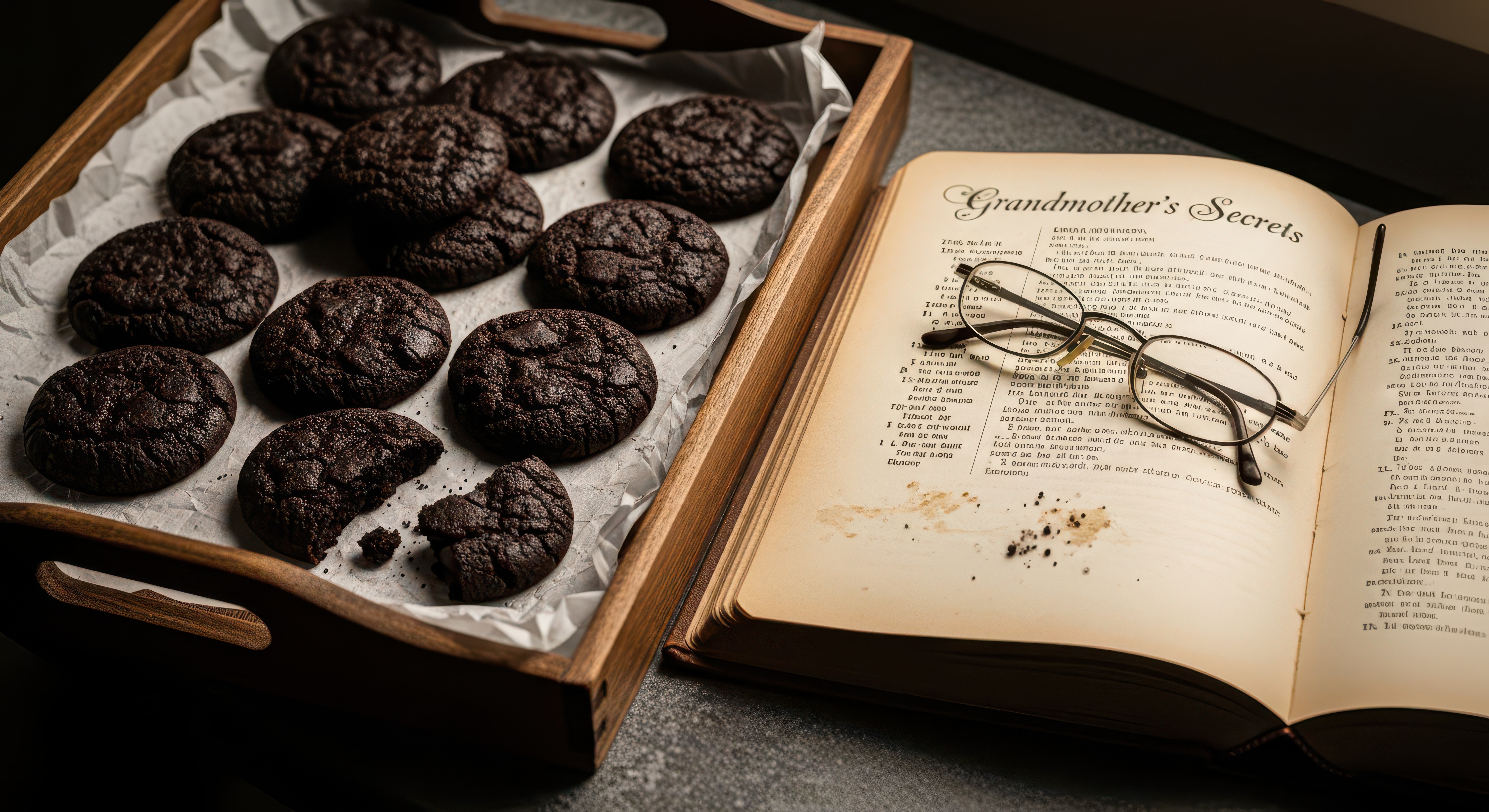
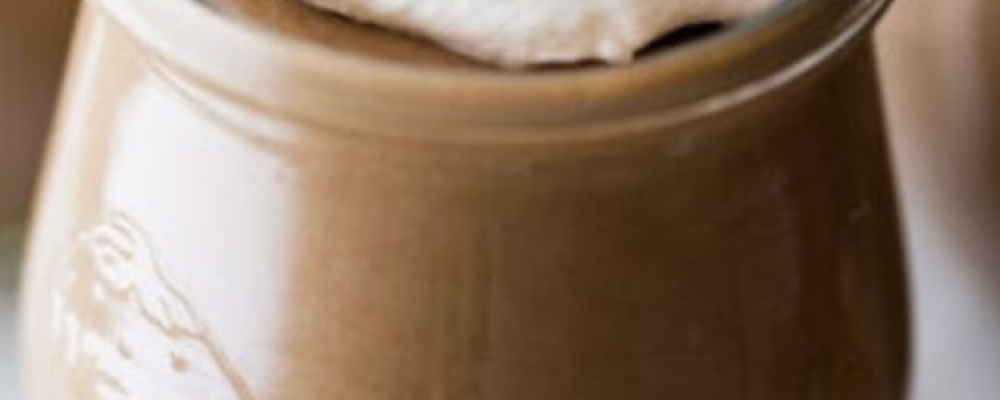
Decadent Chocolate Mousse

Healthy Fact of the Day

Chocolate mousse, when made with high-quality dark chocolate, can be a rich treat with antioxidants and a moderate amount of sugar.

Ingredients


  • 8 oz (about 225g) high-quality dark chocolate, chopped
  • 1/4 cup unsalted butter
  • 4 large eggs, separated
  • 1/4 cup granulated sugar
  • 1 teaspoon vanilla extract
  • A pinch of salt
  • 1 cup heavy cream
  • Chocolate shavings or grated chocolate for garnish (optional)
  • Fresh berries for serving (optional)


Instructions


  1. In a heatproof bowl set over a pot of simmering water (double boiler), melt the chopped dark chocolate and butter. Stir until smooth and remove from heat. Allow it to cool slightly.

  2. In a separate bowl, whisk together the egg yolks, granulated sugar, and vanilla extract until the mixture is pale and slightly thickened.

  3. Gradually whisk the melted chocolate mixture into the egg yolk mixture until well combined.

  4. In another bowl, using clean beaters, whip the egg whites with a pinch of salt until stiff peaks form.

  5. Gently fold the whipped egg whites into the chocolate mixture until no white streaks remain.

  6. In a separate bowl, whip the heavy cream until stiff peaks form.

  7. Carefully fold the whipped cream into the chocolate mixture until smooth and well incorporated.

  8. Divide the chocolate mousse into serving glasses or bowls.

  9. Refrigerate the chocolate mousse for at least 4 hours, or until set.

  10. Before serving, garnish with chocolate shavings or grated chocolate and fresh berries if desired.


Enjoy the indulgent and velvety texture of this Decadent Chocolate Mousse, a delightful dessert for chocolate lovers!

Recent Recipes

What’s New at Kroger Right Now —

  • May 25, 2026
  • 4 min read

Greek Feta Dip

  • May 25, 2026
  • 11 min read

The Overlooked Art of Pairing Food and

  • May 25, 2026
  • 8 min read

Bruschetta Chicken Pasta

  • May 25, 2026
  • 8 min read

Costco’s Summer Lineup Is Fully Stocked —

  • May 24, 2026
  • 4 min read

Caramelized Banana Cheesecake with Rum Glaze

  • May 24, 2026
  • 16 min read

Watermelon Feta Mint Skewers

  • May 24, 2026
  • 14 min read

Honey Mustard Chicken & Farro Bowls

  • May 24, 2026
  • 15 min read

Raspberry Almond Baked French Toast Cups

  • May 24, 2026
  • 14 min read

The Strange Psychology of Why We Eat

  • May 24, 2026
  • 9 min read

Tip of the Day

“Always let your meat rest before slicing.”

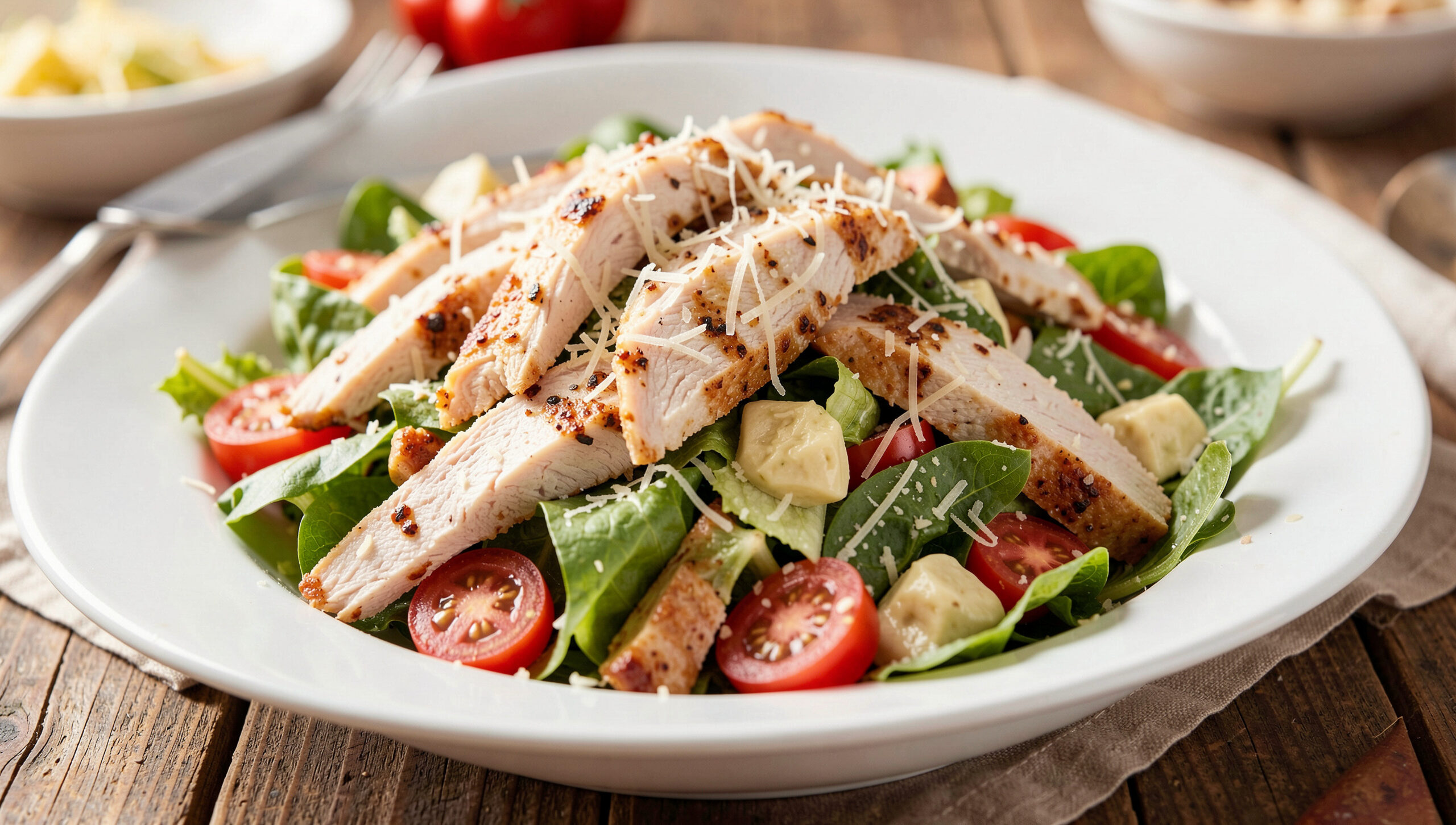
Whether you're roasting a chicken, grilling steak, or baking pork tenderloin, letting cooked meat rest for 5–10 minutes before slicing allows the juices to redistribute evenly. This simple step keeps your meat juicy and tender, ensuring every bite is flavorful and moist. Bonus: It gives you a moment to plate your sides or garnish for a perfect presentation!

Our Latest Recipes

Blog
Daily Disher

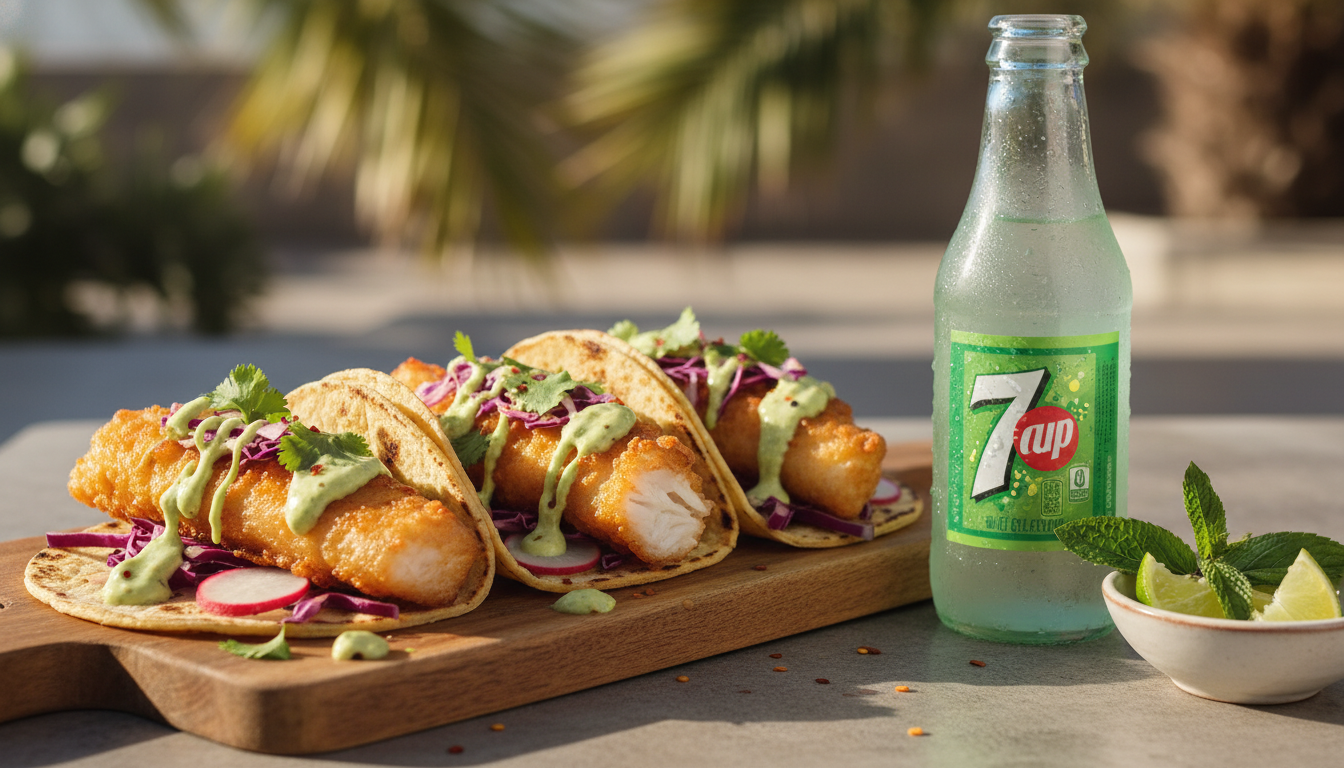
What’s New at Kroger Right Now — From Prebiotic Pepsi to Dirty Mountain Dew

If you’re curious about prebiotic sodas like Prebiotic Pepsi, they’re a meaningful step up from regular soda — lower in calories, made with cane sugar instead of high-fructose corn syrup, and containing prebiotic fiber that supports gut health. That said, they’re still a treat rather than a health food. The 3 grams of prebiotic fiber per can is a modest dose compared to what you’d get from whole foods like oats, beans, or bananas. Think of them as a smarter swap for when you’re reaching for a soda anyway, not as a supplement to your daily fiber intake.

Read More »
Appetizers
Amelia Grace

Greek Feta Dip

This dip provides protein and probiotics from Greek yogurt, calcium from feta cheese, and heart-healthy monounsaturated fats from olive oil. It’s a nutritious alternative to cream cheese or sour cream-based dips while delivering bold Mediterranean flavors.

Read More »
Blog
Daily Disher

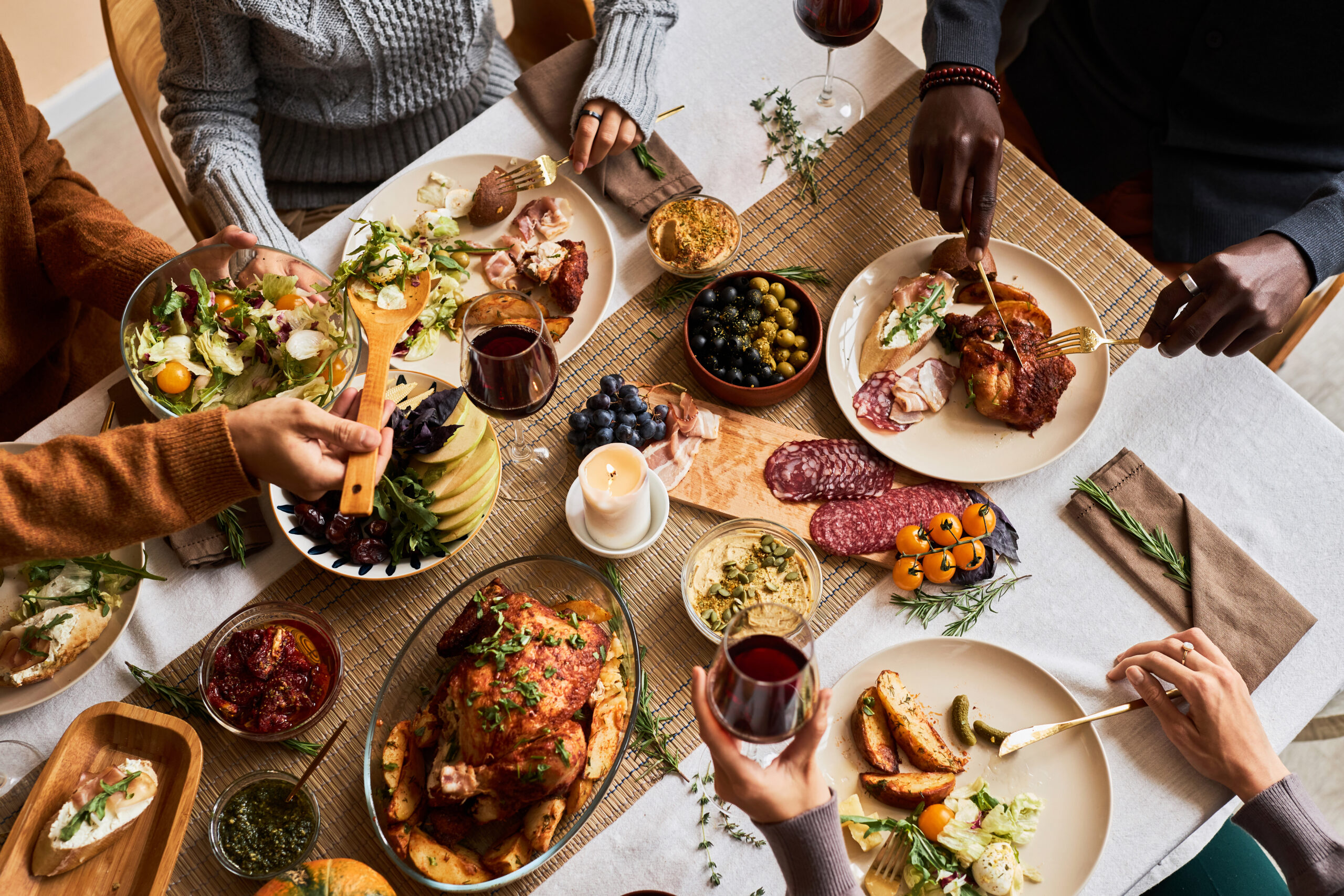
The Overlooked Art of Pairing Food and Drink

Research on beverage choices alongside meals consistently finds that drinks consumed during eating significantly affect both the pace and quantity of food consumed. Carbonated drinks slow eating pace by increasing satiety signals between bites. Water consumed during a meal reduces overall calorie intake compared to caloric beverages without affecting perceived satisfaction. And the tannins in certain teas and red wines, by binding to dietary proteins, may modestly affect protein bioavailability — making the drink at the table a nutritional consideration as well as a sensory one.

Read More »

Get your daily dose of delicious!

Skip to content