Daily Dish

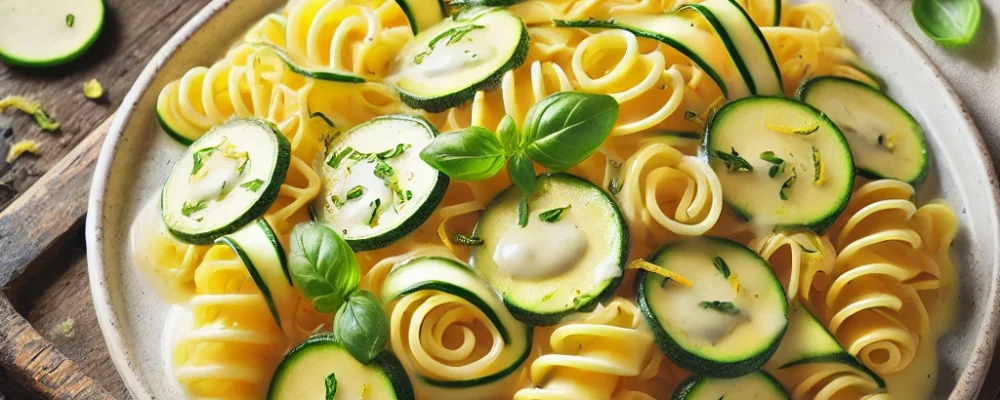
Creamy Lemon Zucchini Pasta

Healthy Fact of the Day

This pasta dish incorporates zucchini, which is low in calories but high in essential nutrients like vitamin C and potassium. The addition of zucchini also increases the fiber content of the meal, promoting digestive health. Lemon adds brightness and vitamin C, while basil provides antioxidants. By using a modest amount of cream and cheese, you get the satisfying richness without excessive calories.

Ingredients


  • 12 oz spaghetti or linguine
  • 2 medium zucchini, spiralized or thinly sliced
  • 2 tbsp olive oil
  • 3 cloves garlic, minced
  • 1/4 cup heavy cream
  • 1/4 cup grated Parmesan cheese
  • Zest and juice of 1 lemon
  • 1/4 cup chopped fresh basil
  • 1/4 cup toasted pine nuts
  • Salt and freshly ground black pepper to taste
  • Red pepper flakes (optional)

Instructions

  1. Cook pasta in salted water according to package instructions.

  2. Reserve 1 cup of pasta water before draining.

  3. In a large skillet, heat olive oil over medium heat. Add minced garlic and sauté for 1 minute.

  4. Add zucchini to the skillet and cook for 3-4 minutes until slightly softened.

  5. Reduce heat to low and add heavy cream, Parmesan cheese, lemon zest, and lemon juice.

  6. Stir to combine.

  7. Add cooked pasta to the skillet and toss with the sauce. If too dry, add some reserved pasta water.

  8. Stir in chopped basil and season with salt and pepper.

  9. Serve hot, topped with toasted pine nuts and additional Parmesan if desired.

  10. Sprinkle with red pepper flakes for extra heat, if using.

Twirl your fork into this Creamy Lemon Zucchini Pasta and let the bright, citrusy flavors dance on your palate! With its perfect balance of creamy indulgence and fresh vegetable lightness, this isn’t just pasta – it’s a celebration of summer on a plate. Whether you’re looking for a quick weeknight dinner or a impressive yet easy dish for guests, this zesty pasta is sure to become a new favorite in your culinary repertoire!
Recent Recipes

Air Fryer Mexican Potato Tacos

  • February 24, 2026
  • 8 min read

Aldi Recalls Nearly 10,000 Pounds of Frozen

  • February 24, 2026
  • 7 min read

Why Restaurant Rice Never Turns Out Mushy

  • February 24, 2026
  • 8 min read

Easy Crock Pot Ramen

  • February 24, 2026
  • 8 min read

A&W Is Launching Root Beer Float Flavor

  • February 23, 2026
  • 7 min read

30-Minute Pizza Bombs

  • February 23, 2026
  • 9 min read

The Temperature Mistake That Ruins Your Baking

  • February 23, 2026
  • 7 min read

Chicken Parmesan Casserole

  • February 23, 2026
  • 7 min read

Snickers Layer Cake

  • February 22, 2026
  • 15 min read

Stuffed Mini Peppers

  • February 22, 2026
  • 17 min read

Tip of the Day

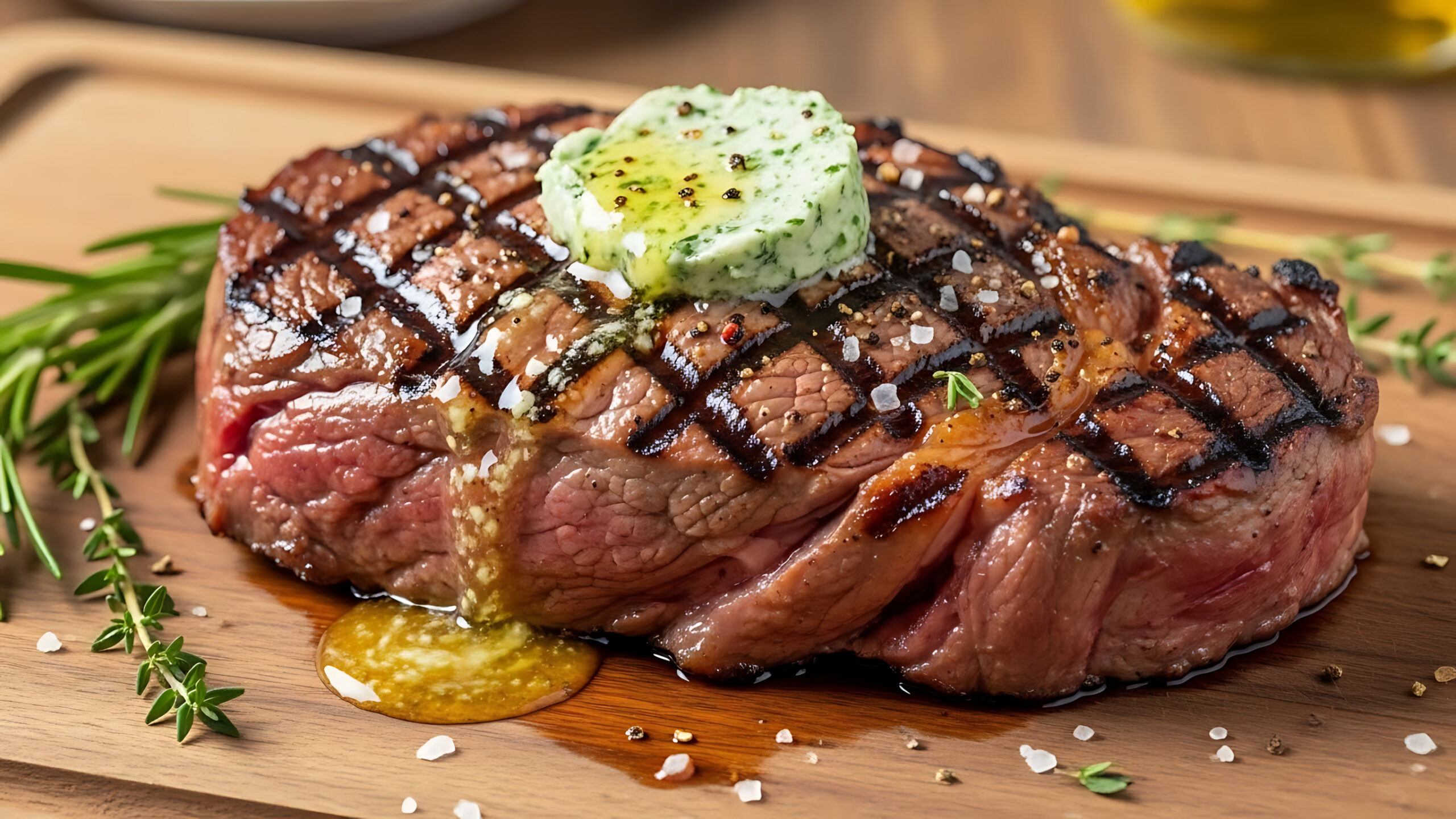
“Always let your meat rest before slicing.”

Whether you're roasting a chicken, grilling steak, or baking pork tenderloin, letting cooked meat rest for 5–10 minutes before slicing allows the juices to redistribute evenly. This simple step keeps your meat juicy and tender, ensuring every bite is flavorful and moist. Bonus: It gives you a moment to plate your sides or garnish for a perfect presentation!

Our Latest Recipes

Holiday
Amelia Grace

Air Fryer Mexican Potato Tacos

Air frying uses up to 75% less oil than traditional frying while still achieving that satisfying crispy texture. Potatoes provide potassium, vitamin C, and fiber, especially when you leave the skins on during boiling.

Read More »
Blog
Daily Disher

Aldi Recalls Nearly 10,000 Pounds of Frozen Meatballs Over Metal Contamination Risk

When cooking with frozen meatballs or any frozen protein, always cook them to the proper internal temperature to ensure food safety—meatballs should reach 165°F. Use a food thermometer to check rather than relying on appearance alone. If you’re making meatballs from scratch, you can control ingredients and sodium levels by using lean ground meat, whole grain breadcrumbs, and fresh herbs. Homemade meatballs can be batch-cooked and frozen for quick, healthier meals throughout the week.

Read More »
Blog
Benjamin Brown

Why Restaurant Rice Never Turns Out Mushy

Rinsing rice removes excess surface starch which reduces its glycemic impact, and allowing cooked rice to cool before eating creates resistant starch that acts as prebiotic fiber, feeding beneficial gut bacteria while providing fewer digestible calories than freshly cooked rice.

Read More »

Get your daily dose of delicious!

Skip to content