Daily Dish

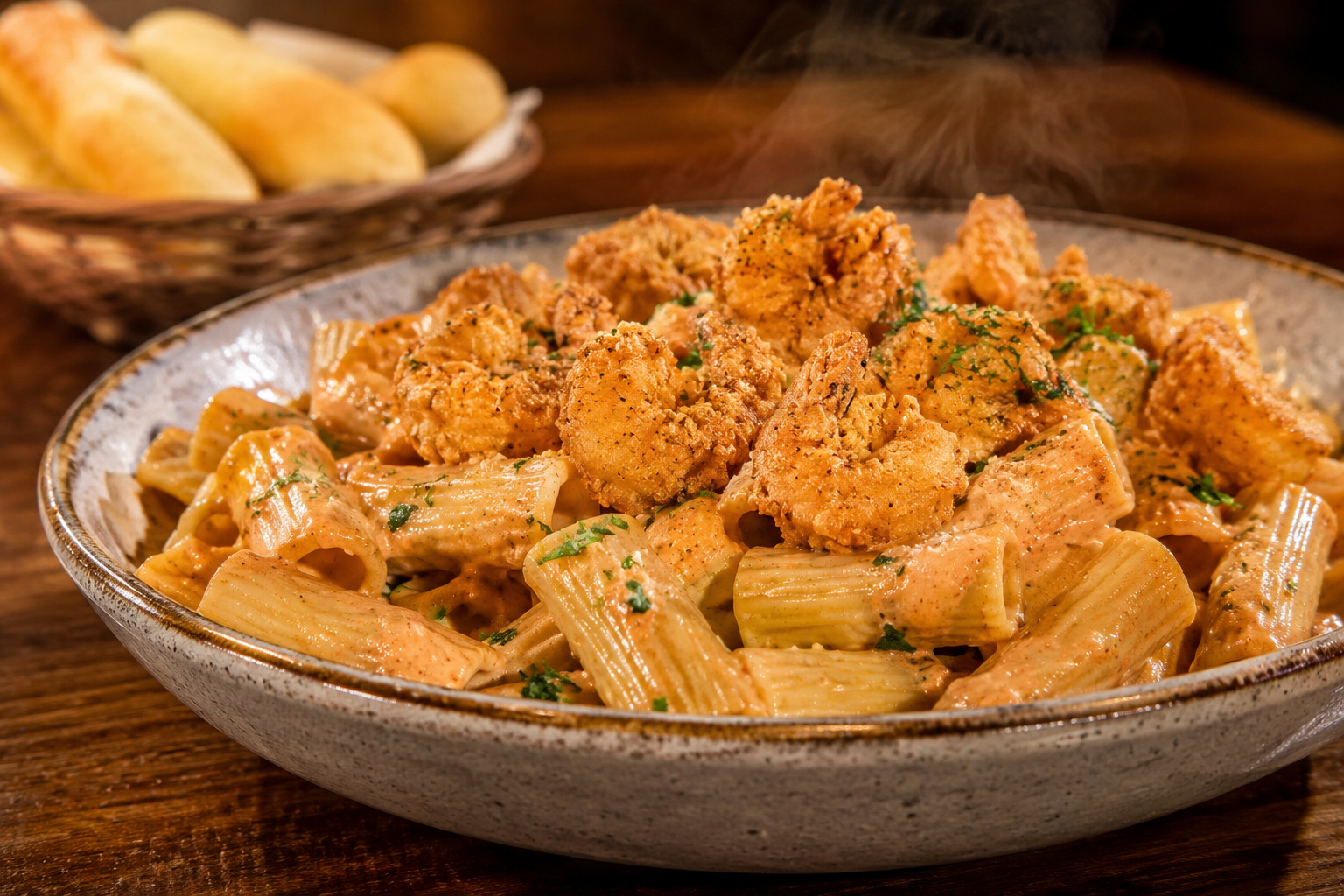
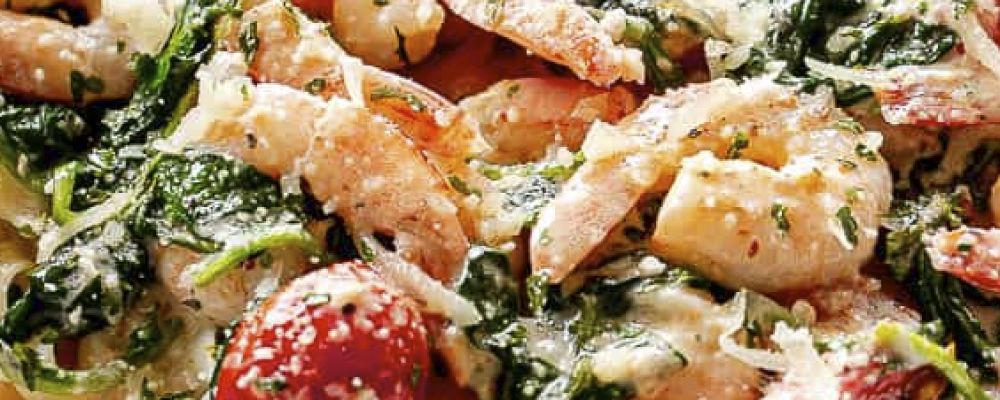
Creamy Garlic Shrimp Pasta

Healthy Fact of the Day

Creamy Garlic Shrimp Pasta is a delightful dish that combines succulent shrimp with a rich and creamy garlic sauce. This recipe, when enjoyed in moderation, provides a good source of protein and pairs well with whole-grain pasta and fresh herbs for a satisfying and flavorful meal.

Ingredients


  • 8 oz whole-grain linguine or your favorite pasta
  • 1 lb large shrimp, peeled and deveined
  • Salt and black pepper to taste
  • 2 tablespoons olive oil
  • 4 cloves garlic, minced
  • 1/2 cup chicken or vegetable broth
  • 1 cup cherry tomatoes, halved
  • 1/2 cup baby spinach leaves
  • 1/2 cup heavy cream
  • 1/4 cup grated Parmesan cheese
  • 1 tablespoon chopped fresh parsley
  • Lemon wedges for serving
  •  
  •  

Instructions


  1. Cook the pasta according to the package instructions. Drain and set aside.
  2. Season the shrimp with salt and black pepper.
  3. In a large skillet, heat olive oil over medium-high heat.
  4. Add the shrimp to the skillet and cook for 1-2 minutes per side until they start to turn pink. Remove the shrimp from the skillet and set aside.
  5. In the same skillet, add minced garlic and sauté for 30 seconds until fragrant.
  6. Pour in the chicken or vegetable broth, scraping any browned bits from the bottom of the skillet.
  7. Add halved cherry tomatoes and baby spinach to the skillet. Cook for 2-3 minutes until the tomatoes start to soften and the spinach wilts.
  8. Stir in the heavy cream and Parmesan cheese, allowing the sauce to simmer and thicken for 2-3 minutes.
  9. Return the cooked shrimp to the skillet and toss to coat in the creamy garlic sauce.
  10. Add the cooked pasta to the skillet, tossing to combine and coat the pasta evenly in the sauce.
  11. Garnish with chopped fresh parsley.
  12. Serve the Creamy Garlic Shrimp Pasta hot, with lemon wedges on the side.
  13.  


Enjoy this delectable and creamy shrimp dish as a comforting and flavorful dinner option!
Recent Recipes

Spinach and Feta Frittata

  • June 13, 2026
  • 11 min read

Your Rice Cooker Does Way More Than

  • June 13, 2026
  • 3 min read

The Stories Food Tells About Who We

  • June 13, 2026
  • 9 min read

Grilled Salmon with Orange Maple Glaze

  • June 13, 2026
  • 9 min read

Chick-fil-A Just Added Mac & Cheese to

  • June 12, 2026
  • 3 min read

The Produce You’re Storing Wrong

  • June 12, 2026
  • 9 min read

Chicken Diablo

  • June 12, 2026
  • 9 min read

Subway Just Launched a Disney Moana Meal

  • June 11, 2026
  • 3 min read

Lavender Lemon Drop Martini

  • June 11, 2026
  • 11 min read

The Meal That Exists Only Once

  • June 11, 2026
  • 9 min read

Tip of the Day

“Always let your meat rest before slicing.”

Whether you're roasting a chicken, grilling steak, or baking pork tenderloin, letting cooked meat rest for 5–10 minutes before slicing allows the juices to redistribute evenly. This simple step keeps your meat juicy and tender, ensuring every bite is flavorful and moist. Bonus: It gives you a moment to plate your sides or garnish for a perfect presentation!

Our Latest Recipes

Breakfast
Benjamin Brown

Spinach and Feta Frittata

Spinach provides iron, vitamin K, and folate while eggs deliver complete protein—making this frittata a nutritional powerhouse that’s as healthy as it is delicious.

Read More »
Blog
Daily Disher

Your Rice Cooker Does Way More Than Rice — Here’s What You’re Missing

The rice cooker’s steam function is one of the most underrated healthy cooking tools in your kitchen. Steaming preserves more nutrients than boiling or roasting — particularly water-soluble vitamins like B and C that break down with heat and water exposure. If your rice cooker came with a steam tray, use it to cook vegetables or fish while your grains cook below. One appliance, one button, a complete and balanced meal with almost no effort.

Read More »
Blog
Daily Disher

The Stories Food Tells About Who We Are

Research on cultural identity and dietary health consistently finds that people with strong connections to their cultural food traditions — who cook and eat the foods of their heritage regularly — tend to have better dietary diversity, stronger social bonds around mealtimes, and greater overall meal satisfaction than those who have lost connection with their food heritage. The cultural dimension of food is not separate from its nutritional dimension — the context, meaning, and community that traditional food provides are themselves health-supportive in ways that the nutritional content alone does not capture.

Read More »

Get your daily dose of delicious!

Skip to content