Daily Dish

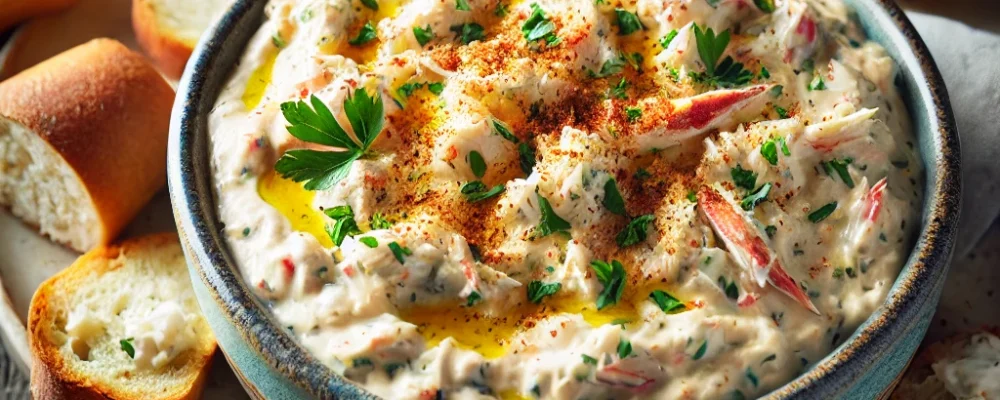
Creamy Chesapeake Crab Dip

Healthy Fact of the Day

The blue crab, often used in Chesapeake Bay region recipes, can shed its shell up to 23 times during its lifetime. For the best flavor, use fresh lump crab meat. If using canned, drain it well before adding to the mixture.

Ingredients


  • 1 lb lump crab meat, picked over for shells
  • 8 oz cream cheese, softened
  • 1/2 cup sour cream
  • 1/4 cup mayonnaise
  • 1/4 cup grated Parmesan cheese
  • 3 green onions, finely chopped
  • 2 cloves garlic, minced
  • 1 tbsp fresh lemon juice
  • 1 tsp Worcestershire sauce
  • 1 tsp Old Bay seasoning
  • 1/4 tsp cayenne pepper (optional)
  • Salt and black pepper to taste
  • 1/4 cup shredded cheddar cheese for topping


For serving:

  • Toasted baguette slices or crackers
  • Lemon wedges


Instructions

  1. Preheat oven to 375°F (190°C).

  2. In a large bowl, mix cream cheese, sour cream, mayonnaise, Parmesan cheese, green onions, garlic, lemon juice, Worcestershire sauce, Old Bay seasoning, and cayenne pepper until smooth.

  3. Gently fold in the crab meat, being careful not to break up the lumps too much.

  4. Season with salt and pepper to taste.

  5. Transfer the mixture to a baking dish and sprinkle with shredded cheddar cheese.

  6. Bake for 20-25 minutes, or until hot and bubbly.
    Optional: Broil for 2-3 minutes to brown the top.

  7. Serve hot with toasted baguette slices or crackers and lemon wedges on the side.

Dip into this luscious Chesapeake Crab Dip and let the rich, savory flavors of the sea dance on your palate! With its perfect balance of creamy cheese and succulent crab, accented by a hint of Old Bay seasoning, this dip isn’t just an appetizer – it’s a coastal escape in every bite. Whether you’re hosting a party or just treating yourself, this indulgent dip is sure to make waves among your guests and have everyone asking for your secret recipe!


Recent Recipes

KFC’s Fried Pickles Are Back — And

  • May 21, 2026
  • 4 min read

Pineapple Bourbon Lemonade

  • May 21, 2026
  • 10 min read

Why Some Cookbooks Change the Way You

  • May 21, 2026
  • 8 min read

Salisbury Steaks in Horseradish Sauce

  • May 21, 2026
  • 8 min read

Papa Murphy’s Just Added a New Meaty

  • May 20, 2026
  • 2 min read

Baked Sage Chicken Meatballs with Parmesan Orzo

  • May 20, 2026
  • 12 min read

The Lost Vegetables Most Home Cooks Have

  • May 20, 2026
  • 9 min read

Curry Chicken Salad

  • May 20, 2026
  • 8 min read

Aldi’s Biggest Drop of the Month Hits

  • May 19, 2026
  • 4 min read

Chili Lime Steak Tacos

  • May 19, 2026
  • 9 min read

Tip of the Day

“Always let your meat rest before slicing.”

Whether you're roasting a chicken, grilling steak, or baking pork tenderloin, letting cooked meat rest for 5–10 minutes before slicing allows the juices to redistribute evenly. This simple step keeps your meat juicy and tender, ensuring every bite is flavorful and moist. Bonus: It gives you a moment to plate your sides or garnish for a perfect presentation!

Our Latest Recipes

Blog
Daily Disher

KFC’s Fried Pickles Are Back — And This Time They Brought Friends

Fried pickles are a fun treat, but they pack more sodium than you might expect from such a small side — primarily from both the pickling brine and the seasoned breading. If you’re watching your sodium intake, enjoying a smaller portion alongside a lighter main course can help keep the overall meal balanced. The Prickly Pear Lemonade is a better choice than a fountain soda if you’re looking for something with a little more natural flavor, though it still contains added sugar — water or unsweetened tea remains the lowest-calorie pairing if you’re keeping things in check.

Read More »
Beverages
Amelia Grace

Pineapple Bourbon Lemonade

Pineapple contains bromelain, an enzyme with anti-inflammatory properties that may aid digestion and reduce muscle soreness — tropical flavor with wellness benefits!

Read More »
Blog
Daily Disher

Why Some Cookbooks Change the Way You Cook Forever

Research on cooking behavior consistently finds that home cooks who develop a strong conceptual understanding of cooking — who understand why techniques work rather than simply how to execute them — are more likely to cook from scratch regularly, to use whole ingredients rather than processed ones, and to produce meals of higher nutritional quality than cooks who rely exclusively on recipe-following. The investment in understanding cooking as a practice, rather than a set of instructions, produces measurably healthier eating patterns over time.

Read More »

Get your daily dose of delicious!

Skip to content












