Daily Dish

Coconut Shrimp Stir-Fry

Healthy Fact of the Day

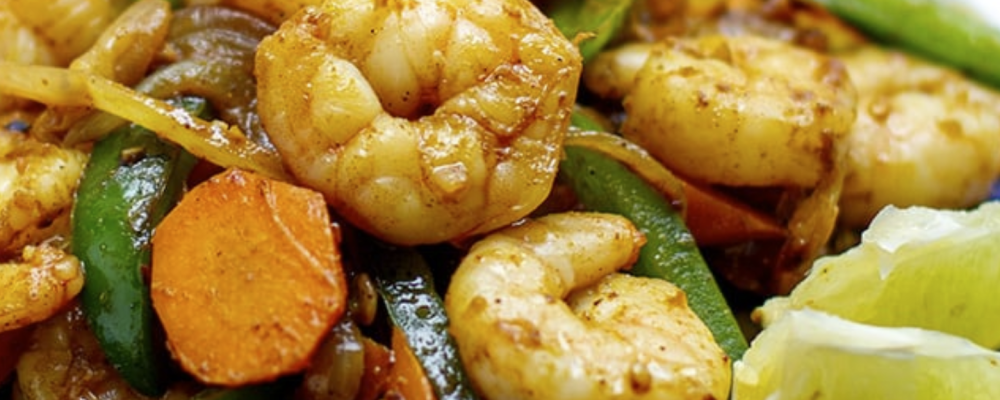
Coconut Shrimp Stir-Fry is a delightful and nutritious dish that combines the sweetness of shrimp, the crunch of vegetables, and the creaminess of coconut milk. It's a well-balanced meal rich in protein and essential nutrients.

Ingredients

For the Coconut Shrimp:

  • 1 lb large shrimp, peeled and deveined
  • 2 tablespoons coconut oil
  • 2 cloves garlic, minced
  • 1 tablespoon ginger, grated
  • 1/2 cup coconut milk
  • 1 tablespoon soy sauce
  • 1 tablespoon honey or maple syrup
  • 1 tablespoon lime juice
  • Salt and black pepper to taste


For the Stir-Fry Vegetables:

  • 2 cups broccoli florets
  • 1 bell pepper, thinly sliced
  • 1 carrot, julienned
  • 1 cup snap peas, trimmed
  • 1 cup baby corn, halved
  • 2 green onions, sliced


For Serving:

  • Cooked brown rice or cauliflower rice
  •  

Instructions


  1. In a bowl, whisk together coconut milk, soy sauce, honey or maple syrup, lime juice, salt, and black pepper to create the coconut sauce. Set aside.

  2. In a large skillet or wok, heat coconut oil over medium-high heat.

  3. Add minced garlic and grated ginger to the skillet. Sauté until fragrant.

  4. Add shrimp to the skillet and cook until they turn pink and opaque.

  5. Pour the coconut sauce over the shrimp and stir to coat.

  6. In the same skillet, add broccoli, bell pepper, carrot, snap peas, and baby corn. Stir-fry the vegetables until they are crisp-tender.

  7. Combine the cooked shrimp with the stir-fried vegetables in the skillet. Toss to combine and coat everything in the coconut sauce.

  8. Stir in sliced green onions.

  9. Serve the Coconut Shrimp Stir-Fry over cooked brown rice or cauliflower rice.

  10.  
  11.  

Enjoy this vibrant and tropical stir-fry that brings a taste of the islands to your dinner table!


Recent Recipes

A Line Cook’s Guide to Actually Flavorful

  • April 13, 2026
  • 6 min read

Braised Catalina Chicken

  • April 13, 2026
  • 10 min read

The One Step Missing From Every Home-Cooked

  • April 12, 2026
  • 6 min read

Fruity Pebbles Cheesecake Tacos

  • April 12, 2026
  • 16 min read

Apple Slices with Cinnamon Almond Butter Dip

  • April 12, 2026
  • 12 min read

Cilantro Lime Shrimp Rice Bowls

  • April 12, 2026
  • 11 min read

Sun-Dried Tomato & Egg White Frittata

  • April 12, 2026
  • 12 min read

French Onion Gnocchi

  • April 12, 2026
  • 10 min read

One Costco Rotisserie Chicken, Five Completely Different

  • April 11, 2026
  • 3 min read

Blueberry Banana Bread

  • April 11, 2026
  • 11 min read

Tip of the Day

“Always let your meat rest before slicing.”

Whether you're roasting a chicken, grilling steak, or baking pork tenderloin, letting cooked meat rest for 5–10 minutes before slicing allows the juices to redistribute evenly. This simple step keeps your meat juicy and tender, ensuring every bite is flavorful and moist. Bonus: It gives you a moment to plate your sides or garnish for a perfect presentation!

Our Latest Recipes

Blog
Daily Disher

A Line Cook’s Guide to Actually Flavorful Salad Dressing

Eating salad with a fat-containing dressing significantly increases the absorption of fat-soluble vitamins — A, D, E, and K — as well as carotenoids like beta-carotene and lycopene found in vegetables. A completely fat-free dressing, despite seeming like the healthier choice, can actually reduce the nutritional value of the salad it’s on.

Read More »
Chicken Recipes
Amelia Grace

Braised Catalina Chicken

Chicken thighs deliver a generous dose of protein, iron, and zinc alongside more natural fat than chicken breast—which means they stay moist and satisfying through the long bake without drying out. The whole berry cranberry sauce contributes a small but meaningful dose of antioxidants and vitamin C, making this comforting pantry dinner a more nutritionally well-rounded choice than it might first appear.

Read More »
Blog
Daily Disher

The One Step Missing From Every Home-Cooked Pasta Sauce

Pasta cooked al dente has a meaningfully lower glycemic index than fully cooked or overcooked pasta, meaning it causes a slower, more gradual rise in blood sugar. The firmer texture also promotes more thorough chewing, which supports better digestion and a stronger sense of fullness after eating.

Read More »

Get your daily dose of delicious!

Skip to content












