Daily Dish

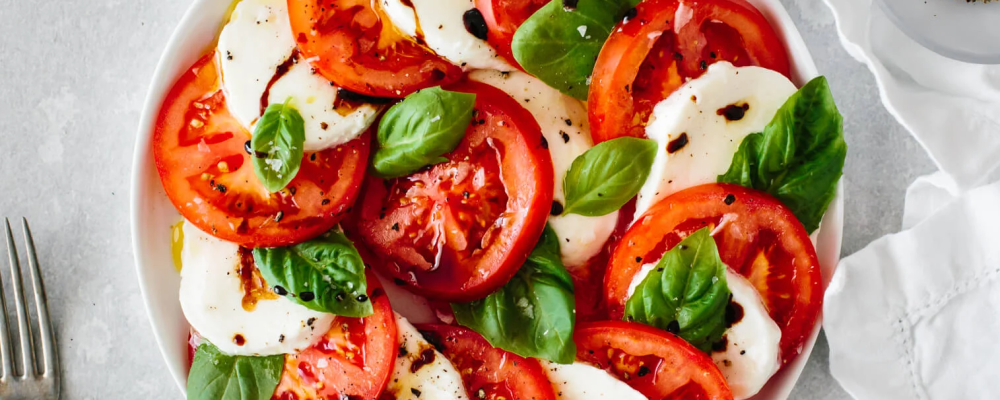
Classic Caprese Salad

Healthy Fact of the Day

Caprese salad is a nutritious and light dish that showcases the natural flavors of fresh ingredients. Tomatoes are rich in lycopene, an antioxidant that may help reduce the risk of certain cancers and heart disease. Mozzarella cheese provides a good source of protein and calcium, while basil offers vitamin K and antioxidants.

Ingredients


  • 2 large ripe tomatoes, sliced
  • 8 oz fresh mozzarella cheese, sliced
  • 1/4 cup fresh basil leaves
  • 2 tbsp extra-virgin olive oil
  • 1 tbsp balsamic glaze
  • Salt and freshly ground black pepper to taste

Instructions

  1. Arrange the sliced tomatoes and mozzarella cheese on a serving platter, alternating between each ingredient.

  2. Tuck the fresh basil leaves between the tomato and mozzarella slices.

  3. Drizzle the extra-virgin olive oil and balsamic glaze over the arranged salad.

  4. Season with salt and freshly ground black pepper to taste.

  5. Serve the Caprese salad immediately, allowing the flavors to meld together at room temperature.

Indulge in the timeless elegance of this classic Caprese salad, where the harmonious trio of juicy tomatoes, creamy mozzarella, and fragrant basil create a masterpiece to elevate any occasion!


Recent Recipes

The Purple Oreos Just Landed in Stores

  • June 8, 2026
  • 4 min read
Buffalo Ranch Crackers

Buffalo Ranch Crackers

  • June 8, 2026
  • 11 min read

The Ingredient That Divided Empires and United

  • June 8, 2026
  • 9 min read

Crockpot French Dip Sliders

  • June 8, 2026
  • 9 min read

Sonic’s Summer 2026 Menu Is Here —

  • June 7, 2026
  • 3 min read

Southern Banana Cobbler

  • June 7, 2026
  • 17 min read

Sunflower Seed & Date Protein Bites

  • June 7, 2026
  • 15 min read

Harissa Chicken & Roasted Cauliflower Grain Bowls

  • June 7, 2026
  • 15 min read

Brown Butter Peach Baked Oat Squares

  • June 7, 2026
  • 15 min read

The Forgotten History of the American Potluck

  • June 7, 2026
  • 10 min read

Tip of the Day

“Always let your meat rest before slicing.”

Whether you're roasting a chicken, grilling steak, or baking pork tenderloin, letting cooked meat rest for 5–10 minutes before slicing allows the juices to redistribute evenly. This simple step keeps your meat juicy and tender, ensuring every bite is flavorful and moist. Bonus: It gives you a moment to plate your sides or garnish for a perfect presentation!

Our Latest Recipes

Blog
Daily Disher

The Purple Oreos Just Landed in Stores — Plus Dunkin’ Has an Oreo Menu Right Now and KFC’s $5 Tenders Deal Ends Today

Limited-edition cookies and specialty drinks are best enjoyed mindfully — the BTS Oreos are a genuinely unique flavor worth trying, but a serving is three cookies, not the whole pack. If you’re pairing them with a Dunkin’ Oreo drink today, consider sizing down to a small or medium — the flavor is the same, just in a more manageable portion. And if you’re squeezing in the KFC tenders tonight, opting for a side of green beans instead of mashed potatoes is an easy swap that keeps the protein-forward meal more balanced overall.

Read More »
Buffalo Ranch Crackers
Monday Munchies
Amelia Grace

Buffalo Ranch Crackers

Oyster crackers provide complex carbohydrates for energy, and baking at low temperature uses minimal fat compared to fried snacks. The capsaicin in hot sauce may boost metabolism and has anti-inflammatory properties when consumed in moderation.

Read More »
Blog
Daily Disher

The Ingredient That Divided Empires and United Tables

Many of the spices that drove the historic spice trade contain bioactive compounds with well-documented health effects. Piperine in black pepper significantly enhances the bioavailability of other nutrients including curcumin from turmeric — which is why black pepper and turmeric appear together in traditional Ayurvedic preparations and in contemporary nutritional recommendations. Cinnamaldehyde in cinnamon has demonstrated effects on blood sugar regulation in multiple clinical studies. Eugenol in cloves has antimicrobial and anti-inflammatory properties that partially explain the historical use of cloves as a food preservative. The spices that people fought wars to control were, it turns out, genuinely valuable — in ways that extend beyond flavor.

Read More »

Get your daily dose of delicious!

Skip to content












