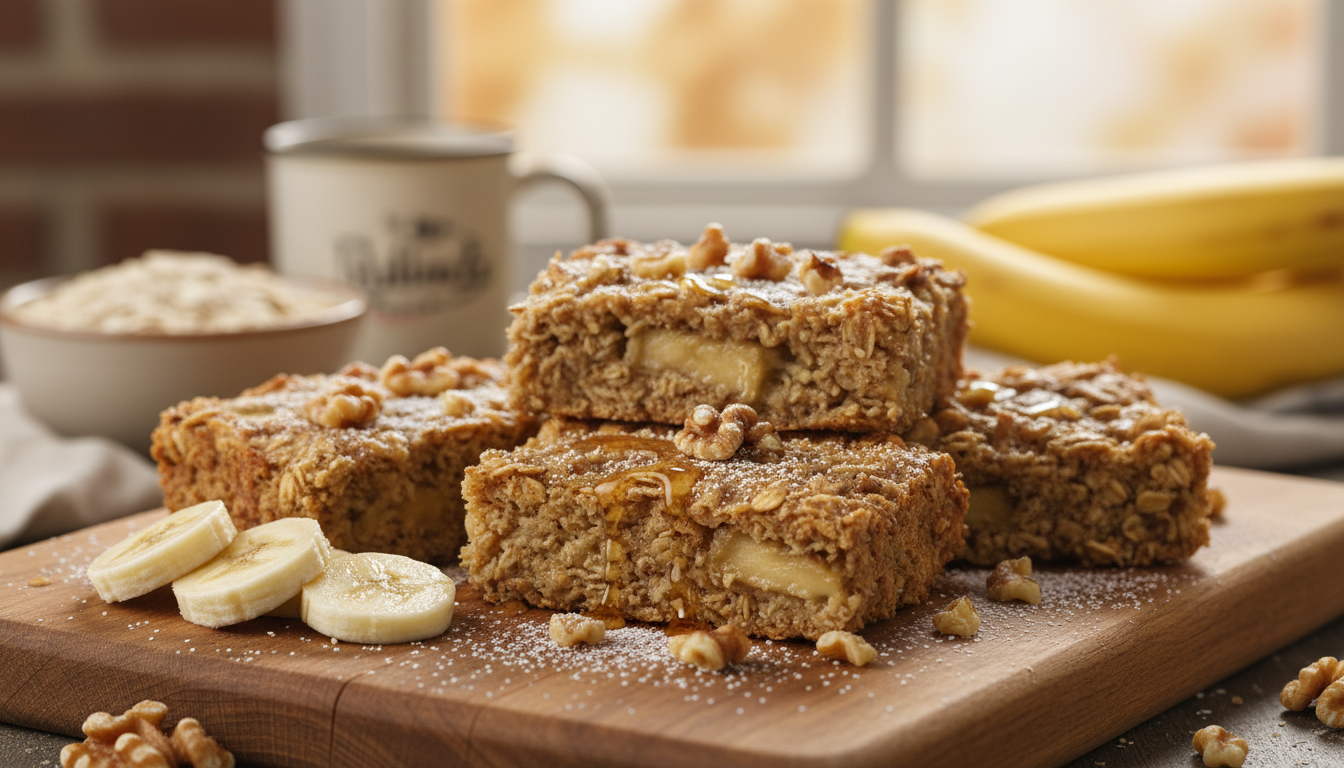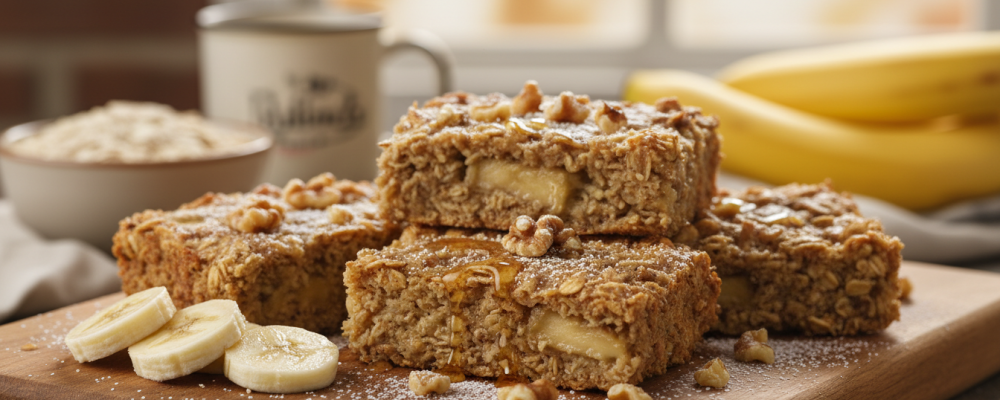

There’s something deeply satisfying about recipes that solve problems without making you feel like you’re settling or compromising. These banana walnut oatmeal bars are exactly that kind of recipe—they take the overripe bananas you’d otherwise throw away, the oats sitting in your pantry, and the walnuts you bought for something else weeks ago, and turn them into breakfast bars that taste like you actually care about yourself. Not in that performative self-care way, but in the quiet, practical way that means you have good food ready when you need it most.
I love these bars because they occupy this perfect middle ground between convenience and quality. They’re shelf-stable (well, freezer-stable) like store-bought breakfast bars, but they actually taste like real food—like banana bread you’d make on a lazy weekend, not like compressed cardboard with vitamin additives. They’re portable like granola bars, but they’re substantial enough to actually count as breakfast rather than just being a snack you eat while still feeling hungry. They freeze beautifully, thaw quickly, and taste good whether you eat them cold, room temperature, or warmed for a few seconds.
What makes these bars special to me is how they represent the kind of meal prep that doesn’t feel like meal prep. You’re not standing over the stove on Sunday making a week’s worth of food you’ll force yourself to eat. You’re baking one pan of something that smells wonderful and tastes like a treat, slicing it into portions, and suddenly having breakfast handled for weeks. That return on investment—thirty-five minutes of baking for potentially a month of breakfasts—feels almost too good to be true, like you’ve discovered a loophole in the time-effort-quality triangle.
I started making variations of these during a period when mornings felt particularly chaotic and I kept skipping breakfast because making anything felt like too much work. The frozen breakfast bars I’d buy from the store were expensive and tasted like sweetened cardboard. These bars became my solution—inexpensive to make, genuinely delicious to eat, and so simple that even on my most exhausted Sundays, I could manage to throw bananas, oats, and walnuts into a pan and let the oven do the rest. That simplicity paired with genuine quality is what makes meal prep sustainable long-term rather than just being something you try for a few weeks before giving up.
The Inspiration Behind This Recipe
This recipe emerged from two converging frustrations: wasting overripe bananas and buying expensive breakfast bars that never quite satisfied. I kept finding myself with those brown-spotted bananas that were past eating but seemed too good to throw away, and I kept spending $2-3 on individual breakfast bars that tasted like compressed dates and protein powder masquerading as food. I knew there had to be a way to solve both problems simultaneously.
The breakthrough came from understanding that banana bread and oatmeal share fundamental compatibility—both are breakfast staples, both work with similar flavor profiles, both benefit from warming spices like cinnamon. The question was how to combine them in a format that was portable, sliceable, and suitable for long-term storage. The answer turned out to be simpler than I expected: just mix everything together, bake in a square pan, and slice into bars. No complicated techniques, no special equipment, just straightforward assembly that anyone can execute successfully.
The walnut addition serves multiple purposes beyond nutrition. Walnuts provide textural contrast against the soft, banana-sweetened oat matrix—those crunchy bits make eating more interesting and satisfying than uniform soft texture would be. They contribute healthy fats that create satiety and help these bars actually hold you over until lunch rather than leaving you hungry an hour later. And perhaps most importantly from a flavor perspective, walnuts have this slight bitterness that balances the sweetness from banana and maple syrup, preventing these from tasting candy-like despite being naturally sweet.
I experimented with various ratios before landing on these proportions. Too much banana made the bars wet and cake-like in ways that didn’t work for portable breakfast—they’d fall apart or leave your hands sticky. Too little banana meant they tasted bland and required additional sweetener. Too many walnuts overwhelmed the oat base; too few felt like an afterthought. This ratio creates bars that hold together firmly enough to eat with your hands, taste distinctly of banana and walnut without either dominating, and slice cleanly into portions that maintain their shape during storage and transport.
A Brief History of Baked Oatmeal and Breakfast Bars
Baked oatmeal as a concept has roots in German and Pennsylvania Dutch cooking traditions, where oats were baked with milk and sometimes eggs into casserole-style breakfast preparations. These dishes made feeding large families efficient—one pan in the oven rather than standing over a pot of stovetop oatmeal stirring constantly. The format allowed advance preparation and reheating, making busy mornings more manageable for households with multiple people to feed.
The breakfast bar format—portable, individually portioned, shelf-stable—emerged as a distinct category in the mid-20th century as American lifestyles became increasingly time-pressured. Early commercial breakfast bars were essentially compressed granola or oats with sweeteners and sometimes dried fruit. They solved the problem of breakfast for people who lacked time to sit down and eat, though they often sacrificed nutrition and taste for convenience and shelf stability.
The contemporary movement toward homemade breakfast bars reflects growing awareness that commercial options often contain excessive added sugars, preservatives, and processing while costing significantly more than homemade alternatives. Home bakers discovered that creating bars with whole food ingredients—oats, nuts, fruit, minimal natural sweeteners—was remarkably simple and produced results far superior to most commercial products. The format provided the same convenience (grab-and-go portability, no preparation required when eating) without the nutritional compromises.
What makes these banana walnut oatmeal bars particularly suited to current meal prep culture is how they bridge the gap between convenience and quality that most breakfast options force you to choose between. You’re not sacrificing taste or nutrition for convenience, nor are you sacrificing convenience for quality—you’re getting all three in a format that requires minimal effort and stores for extended periods.
Why This Baking Method Works for Meal Prep
The success of these oatmeal bars for extended storage and freezing hinges on understanding how oats, bananas, and minimal liquid create a structure that maintains integrity across temperature changes and time. Unlike traditional baked goods that rely on flour’s gluten network for structure, these bars use oats’ starch and fiber matrix combined with banana’s natural pectin as binding agents. This creates a different structural system that’s actually more stable during freezing and thawing than gluten-based preparations.
When oats are combined with liquid (milk) and baked, their starch granules absorb moisture and gelatinize, creating a tender but cohesive structure. The bananas contribute both moisture and pectin—a natural gelling agent that helps bind everything together. The baking powder provides minimal leavening that creates slightly lighter texture without the dramatic rise of muffins or cakes, which would make these fragile and prone to crumbling. The result is bars that are tender enough to bite through easily but sturdy enough to maintain their shape during handling, storage, and transport.
The 350°F baking temperature and 30-35 minute timing allow complete cooking throughout the bars without creating overly dried edges or undercooked centers. Lower temperatures would require excessive time that could dry the bars; higher temperatures would create overly browned surfaces before the interior fully set. This moderate heat allows the oats to hydrate completely, the structure to set firmly, and the surface to develop appealing golden color that indicates proper doneness.
The square baking pan format—9×9 inches creating 12 bars—represents strategic portioning for meal prep. This size creates bars approximately 3×2 inches, substantial enough for breakfast servings (typically 1-2 bars) while remaining portable and easy to handle. Larger bars would be unwieldy; smaller bars would feel insubstantial and require eating multiple pieces to feel satisfied. The square pan also ensures even thickness throughout, which promotes consistent cooking and uniform texture across all bars.
From a freezing perspective, these bars maintain remarkable quality because their moisture content and structural composition resist the textural degradation common in frozen baked goods. The banana’s natural sugars and the oats’ starch both contribute to moisture retention that prevents freezer burn. The walnuts’ fats provide additional protection against drying. When properly wrapped, these bars can be frozen for 2-3 months with minimal quality loss—they emerge from the freezer tasting nearly identical to freshly baked, which is rare for most baked preparations.
Flavor Profile: What to Expect
These banana walnut oatmeal bars deliver comforting, naturally sweet flavors with satisfying substance:
- Sweet and fruity from ripe bananas that provide natural sweetness with that characteristic banana flavor
- Rich and slightly bitter from walnuts that add nutty depth and textural contrast
- Subtly sweet with complexity from maple syrup that contributes gentle sweetness and distinctive maple notes
- Warm and cozy from cinnamon that creates that classic breakfast spice comfort
- Toasty and wholesome from baked oats that develop pleasant grain flavor during baking
- Aromatic and rounded from vanilla extract that enhances the other flavors
- Tender with pleasant chew from the oat-banana matrix that’s somewhere between cake and granola bar
The overall impression is remarkably similar to banana bread but in a more portable, less crumbly format. These taste like weekend baking—like something you’d make because you wanted to, not because you were trying to be healthy. The natural sweetness from banana and maple syrup feels genuinely satisfying without the cloying intensity of refined sugar. The walnuts prevent these from being one-dimensionally sweet, adding savory notes that make them feel more like real food than candy masquerading as breakfast.
After freezing and thawing (or even eating straight from the freezer, which many people do), these bars maintain excellent flavor. The banana’s sugars and the maple syrup’s compounds don’t degrade during freezing, so sweetness remains consistent. The walnuts might become slightly less crunchy after freezing but remain pleasant. The cinnamon and vanilla notes stay pronounced. Week-three bars taste nearly identical to freshly baked ones—they might be slightly denser after freezing but remain tender and flavorful, proving these are genuinely designed for long-term meal prep rather than just surviving it adequately.
Tips for Making the Best Banana Walnut Oatmeal Bars
Small refinements create bars that maintain appeal throughout their storage life:
- Use very ripe bananas: The brown-spotted, soft bananas you might otherwise discard provide maximum sweetness and easiest mashing. Under-ripe bananas create less sweet, harder-to-integrate results.
- Mash bananas completely: Use a fork to mash until nearly smooth with only tiny lumps remaining. Large banana chunks create wet spots and uneven texture in finished bars.
- Use rolled oats, not quick oats: Rolled oats create better texture with pleasant chew. Quick oats can make bars mushy. Steel-cut oats stay too hard and don’t bind properly.
- Toast walnuts before adding: Optional but recommended—toast walnuts in a dry pan for 3-5 minutes until fragrant. This intensifies their flavor and creates better textural contrast.
- Don’t overmix: Stir just until all ingredients are incorporated. Overmixing doesn’t create gluten problems (no flour) but can deflate the mixture and create denser bars.
- Grease the pan well: Use butter or oil to coat every surface of the baking dish. This ensures clean release when slicing and prevents bars from sticking or tearing.
- Check doneness properly: Bars are done when edges pull away slightly from the pan and the center is set (doesn’t jiggle when gently shaken). A toothpick should come out mostly clean.
- Cool completely before cutting: Let bars cool in the pan for at least 30 minutes, preferably longer. Cutting warm bars creates crumbling and messy slices.
- Use a sharp knife and wipe between cuts: Clean cuts create better presentation and prevent bars from sticking together during storage.
- Slice bars when completely cool or even chilled: Refrigerating the pan for an hour before slicing creates the cleanest cuts with the most professional appearance.
- Wrap individually for freezing: Wrap each bar in plastic wrap, then place all wrapped bars in a large freezer bag. This prevents them from freezing together and allows grabbing individual portions.
The most critical factors are banana ripeness (determines sweetness), proper cooling before cutting (determines whether bars maintain shape), and individual wrapping for storage (determines whether they stay separate and maintain quality).
Portioning and Container Suggestions
This recipe yields 12 bars when cut from a 9×9 inch pan, which divides conveniently into 6 days of breakfast (2 bars per serving) or 12 days for lighter appetites or when pairing with other breakfast components. Two bars provide approximately 12-15 grams of protein (from oats and walnuts), substantial complex carbohydrates, and healthy fats—enough to satisfy most people until mid-morning without feeling overly full.
For storage, the individual-wrapping method creates maximum flexibility and longest freezer life. Wrap each cooled bar tightly in plastic wrap, pressing the wrap directly against all surfaces to eliminate air pockets. Then place all wrapped bars in a large freezer-safe zip-top bag with as much air removed as possible. This double protection prevents freezer burn while allowing you to remove individual bars as needed without disturbing the rest of the batch.
For those keeping some bars for immediate use (refrigerator storage for the current week) and freezing the rest for later, store refrigerated bars in an airtight container. Stack with parchment paper between layers if needed, though these bars are sturdy enough that gentle stacking usually doesn’t damage them. Glass or plastic containers both work—choose based on available refrigerator space and personal preference.
If you’re making these regularly and want maximum batch efficiency, double the recipe and use a 9×13 inch pan. This creates 18-20 bars from a single baking session—potentially an entire month of breakfast from one afternoon of meal prep. The larger pan may require a few extra minutes of baking time (check at 35 minutes), but the effort-to-yield ratio becomes even more favorable.
For portion control and dietary tracking, weigh individual bars if you’re following specific macronutrient targets. Using a 9×9 pan and cutting into 12 equal pieces creates remarkably uniform portions, but slight variations occur—weighing provides certainty if precision matters for your goals.
Storage, Reheating, and Shelf Life Tips
- Refrigerator storage: Store in airtight containers for 5-6 days. These improve slightly over the first 24 hours as flavors meld and texture firms up.
- Room temperature storage: These can sit at room temperature for 2-3 days in airtight containers, making them suitable for keeping in desk drawers or bags without refrigeration.
- Freezer storage: Freeze individually wrapped bars for 2-3 months with excellent quality retention. Proper wrapping prevents freezer burn and flavor loss.
- Thawing method: Remove desired number of bars from freezer and let thaw at room temperature for 20-30 minutes, or refrigerate overnight. They thaw quickly due to their relatively thin profile.
- No thawing required: Many people eat these straight from the freezer—they’re not rock-hard when frozen and the chewing process warms them. This works particularly well in warmer months.
- Reheating options: Microwave one bar for 15-20 seconds until just warm (not hot). This creates soft, cake-like texture reminiscent of freshly baked banana bread.
- Toaster oven option: Wrap bar in foil and warm at 300°F for 8-10 minutes. This method better maintains texture than microwaving but requires more time.
- Eating at various temperatures: These bars are genuinely good at any temperature—cold, room temperature, or warmed. Each temperature creates different eating experiences.
- Add toppings for variety: Spread with nut butter, top with Greek yogurt, or add fresh banana slices for enhanced nutrition and flavor variety throughout the week.
- Quality indicators: Fresh bars smell sweetly of banana and cinnamon. Any moldy odor or visible mold indicates spoilage (rare within recommended timeframes with proper storage).
- Texture expectations: Refrigerated bars are slightly firmer than room temperature ones. Frozen and thawed bars may be marginally denser but remain tender. These textural variations are minimal and don’t significantly affect enjoyment.
Why This Recipe Deserves a Spot in Your Meal Prep Rotation
These banana walnut oatmeal bars have become a permanent fixture in my meal prep rotation because they solve the eternal morning problem: wanting breakfast that tastes good, feels nourishing, and requires absolutely zero effort when you’re barely conscious at 6:30 AM. There’s genuine value in having breakfast that literally requires only opening the freezer, grabbing a bar, and eating—no dishes, no heating, no assembly, just food ready to fuel your day in the most effortless way possible.
The economic argument strengthens their case significantly. Twelve bars cost approximately $6-8 to make—roughly $0.50-0.67 per bar. Store-bought breakfast bars of comparable quality (whole food ingredients, natural sweeteners, actual substance) cost $2-3 per bar. You’re saving $1.50-2.50 per bar, which compounds to $18-30 per batch of twelve. Make these twice per month and you’re saving roughly $40-60 monthly or $480-720 annually compared to purchasing commercial alternatives. That’s not trivial money—that’s a vacation fund or emergency savings, simply from making your own breakfast bars instead of buying them.
From a nutritional perspective, these bars provide balanced macronutrients that create sustained energy rather than the spike-and-crash cycle of most grab-and-go breakfast options. The complex carbohydrates from oats release energy gradually. The protein from oats and walnuts supports muscle maintenance and satiety. The healthy fats from walnuts provide essential fatty acids and help you feel satisfied longer. This composition explains why two bars can genuinely hold you until lunch without mid-morning hunger, which is rarely true of commercial breakfast bars often designed to be consumed alongside other foods.
But what I value most is how these bars demonstrate that meal prep can be so simple it barely qualifies as cooking, yet still deliver results that genuinely improve your life. You mash bananas, stir everything together, pour into a pan, and walk away for thirty-five minutes. That’s it. That’s the entire process. Yet that minimal effort creates weeks of breakfast that taste good, feel nourishing, cost almost nothing, and require zero morning effort. When meal prep is this effortless and rewarding, it stops being something you force yourself to do and becomes simply how you take care of yourself—which is the only approach that works indefinitely.
Meal Prep Pairing Suggestions
These banana walnut oatmeal bars complete a comprehensive breakfast system offering every conceivable format and flavor profile. Pair them with Baked Oatmeal Cups or Peanut Butter Banana Oat Cups for a week of naturally sweet, portable breakfast options—all three are oat-based, all freeze beautifully, all taste like treats rather than health food, but each offers different textures and flavors that prevent monotony.
For those wanting both sweet and savory breakfast coverage, alternate these bars with any of the egg-based options throughout the week. Monday and Wednesday get sweet bars that feel like dessert for breakfast, Tuesday and Thursday get savory eggs that feel like traditional breakfast, Friday you choose based on craving. This rotation prevents breakfast boredom while ensuring consistent morning nutrition—you’re never forcing yourself to eat something you don’t want simply because it’s what you prepped.
These bars also function excellently beyond breakfast. They make ideal pre-workout fuel when eaten 30-45 minutes before training—the combination of quick carbs from banana and sustained energy from oats provides both immediate and lasting fuel. They work as afternoon snacks when you need something substantial between lunch and dinner. Some people even pack them for kids’ lunchboxes or after-school snacks, knowing they’re providing genuinely nutritious food that kids actually want to eat.
For a complete meal prep system covering every meal, every snack, every dietary need, and every storage timeline, these bars represent the final piece that ensures truly comprehensive coverage:
With this recipe, you now have complete mastery across:
Every meal type: Breakfast (8+ options), lunch (6+ grain bowls and wraps), dinner (multiple sheet pan and one-pan meals), snacks (10+ sweet and savory options)
Every preparation style: No-cook (assembly only), minimal cooking (stovetop), moderate baking, batch roasting, combination methods
Every dietary pattern: Omnivore, vegetarian, vegan-adaptable, plant-forward, high-protein, moderate-carb, gluten-free adaptable
Every storage timeline: Room temperature (trail mix, energy balls), refrigerator 3-5 days (most recipes), freezer 1-3 months (most baked breakfast items, burritos)
Every texture preference: Crunchy (trail mix, crispy chickpeas), creamy (parfaits, scrambled eggs), chewy (energy bites), soft (oat cups), varied (grain bowls with multiple textures)
Every cuisine tradition: Mediterranean, Asian, Southwestern, American, Middle Eastern influences, fusion preparations
Every serving temperature: Hot/warm (egg bakes, scrambles, reheated bowls), cold (salads, parfaits, noodles), room temperature (bars, wraps, many snacks), flexible (most grain bowls)
Every level of portability: Eat-at-home meals, office-friendly lunches, car-friendly snacks, exercise-friendly fuel, travel-suitable options
This comprehensive system means you’re genuinely prepared for every scenario life presents. Busy week with no time to cook? You have freezer meals and shelf-stable snacks. Craving variety? You have 40+ recipes covering every cuisine and flavor profile. Dietary restrictions? You have options for every common restriction. Budget constraints? You have economical recipes using pantry staples. Time scarcity? You have no-cook and minimal-prep options. Social eating? You have recipes elegant enough for entertaining. Family meals? You have scalable preparations feeding multiple people efficiently.
These banana walnut oatmeal bars, as the culminating recipe, embody everything that makes meal prep sustainable: maximum convenience (grab from freezer and eat), genuine quality (tastes like weekend baking), exceptional value (pennies per serving), nutritional integrity (whole food ingredients, natural sweetness), and adaptability (works for breakfast, snacks, fuel, or treats). They prove that meal prep mastery isn’t about complexity or perfection—it’s about having reliable systems that consistently provide good food without consuming excessive time, mental energy, or resources.
You now possess a complete education in meal prep—forty-plus recipes, comprehensive technique instruction, strategic pairing suggestions, and the knowledge to adapt these principles to any food you want to prepare in advance. This isn’t just a collection of recipes. It’s a system for sustainable, flexible, genuinely enjoyable eating that can support you indefinitely through every life circumstance and dietary goal. Use it well, adapt it to your preferences, and recognize the freedom this competence creates: you’re no longer dependent on restaurants, takeout, or daily cooking to eat well. You have mastery. And that changes everything.
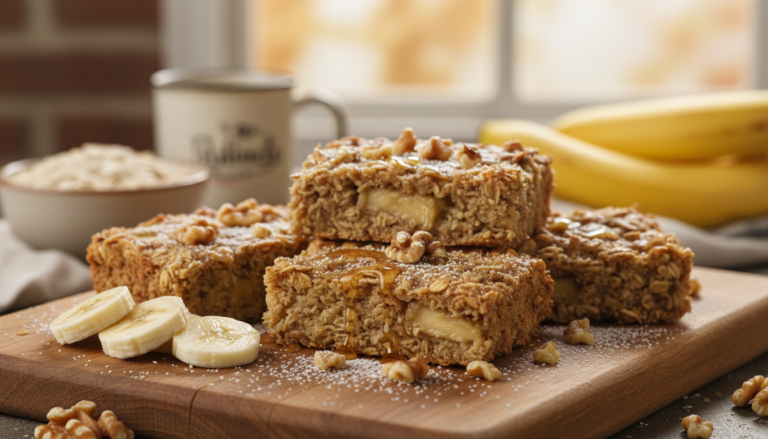
Banana Walnut Baked Oatmeal Bars
This banana walnut baked oatmeal bars recipe transforms overripe bananas and pantry staples into portable, naturally sweetened breakfast bars that store for weeks and fuel your mornings without any fuss.
9
servings15
minutes35
minutes210
kcal50
minutesIngredients
2 ripe bananas
2 cups rolled oats
1/2 cup walnuts, chopped
1/4 cup maple syrup
1 cup milk
1 teaspoon vanilla extract
1 teaspoon baking powder
1/2 teaspoon cinnamon
1/4 teaspoon salt
Directions
- Preheat oven to 350°F (175°C).
- Mash bananas in a large bowl.
- Stir in oats, walnuts, maple syrup, milk, vanilla extract, baking powder, cinnamon, and salt.
- Pour mixture into a greased 9×9 inch baking dish.
- Bake for 30-35 minutes until golden brown.
- Cool before cutting into bars.
Nutrition Facts
- Total number of serves: 4
- Calories: 210kcal
- Cholesterol: 0mg
- Sodium: 620mg
- Potassium: 400mg
- Sugar: 8g
- Protein: 6g
- Calcium: 60mg
- Iron: 2mg
About This Author

Amelia Grace
Editor-in-Chief & Culinary Director
The heart and guiding voice of Daily Dish, Amelia leads our editorial vision and recipe development. With a background in food journalism and over a decade spent in professional kitchens, she has a knack for blending gourmet technique with real-world accessibility. Her goal? To make every reader feel like a confident cook, one dish at a time.
Favorite dish: Creamy lemon risotto with a sprinkle of fresh thyme.
Kitchen motto: “Good food doesn’t have to be complicated — it just has to be made with heart.”