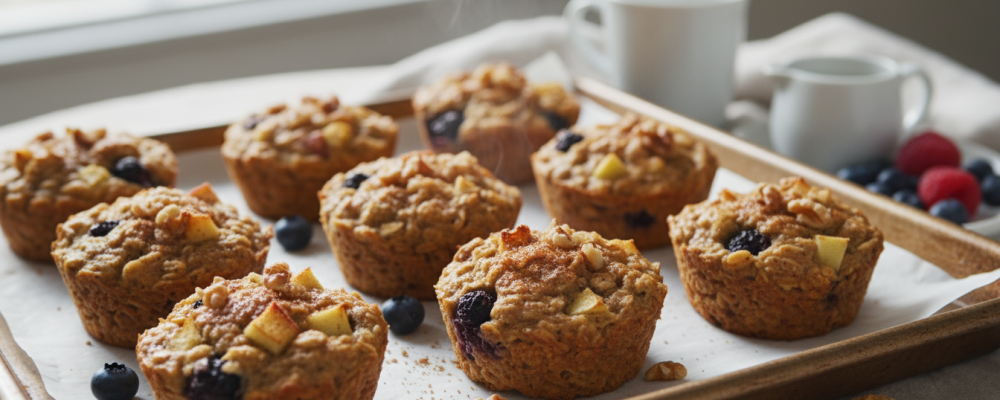

There’s something about warm breakfast that just feels like being taken care of, isn’t there? It’s the difference between grabbing something as you rush out the door and actually starting your day feeling nourished and grounded. These baked oatmeal cups manage to capture that warm, comforting feeling while still being completely practical for the reality of weekday mornings—no standing over the stove stirring, no timing anything, just grab a cup from the fridge, warm it for thirty seconds, and you’ve got breakfast that tastes like someone who loves you made it for you.
I discovered baked oatmeal during a period when I was tired of the cold breakfast routine. Don’t get me wrong—I love overnight oats and yogurt parfaits in their season, especially during summer months. But when fall arrives and mornings turn chilly, there’s something about cold breakfast that just doesn’t satisfy the same way. I wanted the convenience of make-ahead breakfast but with the soul-warming quality of something freshly cooked. Baked oatmeal became my answer, and turning it into individual cups made it even better—portion-controlled, freezer-friendly, and somehow more special than just scooping oatmeal from a pan.
What makes these cups special is how they bridge the gap between everyday breakfast and something you’d actually look forward to eating. The texture is somewhere between a muffin and traditional oatmeal—tender and moist but with enough structure to hold together when you pick it up. The berries burst during baking, creating pockets of jammy sweetness throughout. The cinnamon and vanilla fill your kitchen with the kind of smell that makes you actually want to get out of bed on Monday morning. And that maple syrup? It’s just enough sweetness to make these feel like a treat without tipping over into dessert territory.
I keep a batch of these in my freezer at all times now, the way some people keep emergency ice cream. When morning arrives and I’m not quite ready to face the day, knowing I have these waiting makes everything feel more manageable. Thirty seconds in the microwave, maybe a drizzle of extra maple syrup or a dollop of yogurt on top, and suddenly breakfast isn’t just fuel—it’s a moment of warmth and comfort before everything else demands my attention.
─────────
The Inspiration Behind This Recipe
This recipe was born from a simple desire: I wanted oatmeal’s nutrition and comfort without oatmeal’s morning time commitment. Traditional stovetop oatmeal requires standing, stirring, and timing—all things that feel impossible when you’re barely conscious at 6:30 AM. Instant oatmeal solves the time problem but often tastes sad and one-dimensional. I needed something that combined the hearty satisfaction of real oatmeal with the grab-and-go convenience of instant, and baking turned out to be the answer.
The muffin cup format was a refinement I stumbled upon after making sheet-pan baked oatmeal for a while. Sheet pan versions work fine, but scooping out portions each morning created one more decision to make, one more dish to wash. Individual cups eliminated both problems—they’re pre-portioned, completely portable, and they look intentional rather than just being a scoop of something from a larger container. That visual appeal matters more than you might think when you’re trying to maintain meal prep habits week after week.
I experimented with various ratios of wet to dry ingredients before landing on this version. Too much liquid and the cups came out mushy and dense, more like pudding than oatmeal. Too little liquid and they were dry and crumbly, falling apart when you tried to eat them. This ratio creates cups that hold together beautifully but still have that tender, moist quality you want from baked goods. The berries were non-negotiable—they provide natural sweetness, beautiful color, and bursts of flavor that prevent these from tasting monotonous bite after bite.
─────────
A Brief History of Baked Oatmeal and Make-Ahead Breakfasts
Baked oatmeal traces its roots to Amish and Pennsylvania Dutch communities, where it emerged as a practical way to feed large families efficiently. Traditional baked oatmeal was prepared in a casserole dish, baked until set, and served warm in squares—essentially transforming stovetop oatmeal into a format that could be prepared the night before and simply warmed for breakfast. The method solved the morning rush problem while maintaining oatmeal’s nutritional benefits and comforting qualities.
The concept evolved over decades, moving from farmhouse breakfast tables into mainstream American cuisine as home cooks discovered its meal prep potential. The individual cup format is a more recent innovation, emerging in the 2010s alongside the broader muffin-tin meal prep trend. Food bloggers and recipe developers recognized that muffin tins could portion virtually anything into grab-and-go formats, and baked oatmeal translated particularly well to this treatment—the cups freeze beautifully, reheat perfectly, and feel more like a special treat than just reheated leftovers.
What makes baked oatmeal cups particularly suited to contemporary meal prep culture is how they address multiple modern desires simultaneously: convenience without sacrifice of quality, nutrition without boring repetition, and comfort food that actually supports rather than undermines health goals. They represent the evolution of breakfast from obligation into something that can genuinely improve your morning while still fitting into the reality of busy schedules and limited time.
─────────
Why This Baking Method Works for Meal Prep
The magic of baked oatmeal lies in understanding how oats behave under heat and moisture. When oats are combined with liquid and eggs, then baked, several transformations occur simultaneously. The oats absorb the liquid (milk) and begin softening and swelling. The eggs provide protein structure that sets during baking, creating a matrix that holds everything together rather than leaving you with loose, porridge-like oatmeal. The baking powder contributes lift and lightness, creating tiny air pockets that make the texture more cake-like and less dense.
The 350°F baking temperature is calibrated specifically to achieve even cooking throughout. Lower temperatures would require excessive baking time that would dry out the edges before the centers fully set. Higher temperatures would create over-browned exteriors while leaving the interiors undercooked and gummy. This moderate heat allows the cups to cook through evenly while developing that golden-brown top that provides both visual appeal and subtle caramelization flavor—the Maillard reaction creating depth that makes these taste complex rather than one-dimensional.
The muffin tin format creates individual portions with optimal surface area for even heat distribution. Each cup is exposed to heat from all sides, ensuring consistent cooking throughout. The individual portions also mean faster, more even reheating—a single cup warms through in thirty seconds, while a large pan of baked oatmeal might require several minutes and creates uneven hot and cold spots. This practicality matters tremendously for actual morning use when every second counts.
From a storage perspective, the baked structure means these cups maintain their integrity far better than raw or overnight oat preparations. The set protein matrix from eggs combined with the gelatinized starch from cooked oats creates a stable structure that doesn’t separate, weep liquid, or become mushy during refrigeration or freezing. The berries, cooked within this structure, release some juice during baking but that juice becomes incorporated rather than pooling, preventing sogginess while distributing berry flavor throughout each cup.
─────────
Flavor Profile: What to Expect
These baked oatmeal cups deliver comforting, naturally sweet flavors with satisfying texture that feels both wholesome and indulgent:
- Warm and toasty from baked oats that develop nutty depth during the baking process, creating complexity beyond raw oatmeal
- Subtly sweet and maple-forward from pure maple syrup that provides natural sweetness with caramel undertones
- Cozy and aromatic from cinnamon that fills every bite with warmth and familiarity
- Rich and comforting from eggs and milk that create tender, moist texture reminiscent of a good muffin
- Bright and fruity from mixed berries that burst during baking, creating jammy pockets of concentrated sweetness
- Vanilla-scented from pure vanilla extract that ties all the flavors together with its warm, sweet aroma
The overall effect is breakfast that tastes homemade and intentional—like someone woke up early to bake fresh muffins, except you’re that someone and you did it days ago. The texture sits in that perfect middle ground between a muffin and traditional oatmeal—structured enough to hold in your hand but tender enough to feel like comfort food rather than just a vehicle for nutrition.
Over the first day or two in refrigeration, the flavors continue to develop and meld. The cinnamon permeates more deeply throughout each cup. The maple syrup’s sweetness distributes more evenly. The berry juices that released during baking continue to flavor the surrounding oatmeal, creating a more integrated taste where everything works together rather than existing as distinct components. Many people actually prefer day-two cups to freshly baked ones because the flavors have had time to marry and create more complexity.
─────────
Tips for Making the Best Baked Oatmeal Cups
Small details transform these straightforward cups from merely functional to genuinely delicious:
- Use old-fashioned rolled oats, not quick oats: Rolled oats maintain better texture and provide that characteristic oatmeal chew. Quick oats become too soft and mushy. Steel-cut oats don’t soften adequately in the baking time.
- Don’t skip the baking powder: This small addition creates lift and lightness, preventing the cups from being dense and heavy. It’s the difference between a tender muffin-like texture and a hockey puck.
- Whisk wet ingredients until frothy: Beating the eggs, milk, maple syrup, and vanilla together vigorously incorporates air that contributes to lighter texture. Take a full minute to really whisk.
- Fold berries gently: Aggressive stirring breaks berries apart, creating a purple mess rather than distinct fruit throughout. Gentle folding maintains whole or halved berries that create pretty pockets of color.
- Use fresh or frozen berries: Both work beautifully. Frozen berries don’t need thawing—use them straight from the freezer. They release slightly more juice but create more intense berry flavor pockets.
- Fill cups three-quarters full: This allows room for slight rising without overflow. Overfilled cups spill over the sides and create mess; underfilled cups look sparse and sad.
- Use muffin liners for easiest removal: Paper or silicone liners prevent sticking and make cleanup effortless. If greasing instead, be generous with oil or cooking spray.
- Test doneness properly: Insert a toothpick in the center of a cup—it should come out clean or with just a few moist crumbs, not wet batter. The tops should be golden and spring back when lightly pressed.
- Cool in the pan briefly: Five minutes of cooling allows the structure to set fully, preventing cups from falling apart when removed. Remove too soon and they’ll be fragile and crumbly.
- Cool completely before storing: Hot cups create condensation in sealed containers, leading to sogginess and reduced shelf life. Patience here extends your meal prep’s viability significantly.
The single most important factor is the oat-to-liquid ratio. Too much liquid creates soggy, dense cups; too little creates dry, crumbly ones. Measure carefully, especially the first time you make this recipe.
─────────
Portioning and Container Suggestions
This recipe yields 12 standard muffin-sized oatmeal cups, which divides perfectly into 6 days of breakfast (2 cups per serving) or 12 days of snacks (1 cup per serving). Two cups provide approximately 8-10 grams of protein and substantial fiber—enough to keep most people satisfied until lunch without feeling overly full. Single cups work well as afternoon snacks or light breakfasts for smaller appetites.
For storage, I prefer keeping some cups refrigerated for immediate use (3-4 days’ worth) and freezing the rest for later. Store refrigerated cups in an airtight container or leave them in a covered muffin tin if you have refrigerator space. Glass containers work beautifully because they allow reheating directly from storage, but any airtight container prevents the cups from drying out or absorbing refrigerator odors.
For freezer storage, individually wrap each cup in plastic wrap, then place all wrapped cups in a large freezer-safe zip-top bag. This double-layer protection prevents freezer burn and allows you to remove single cups as needed rather than thawing the entire batch. Alternatively, flash-freeze unwrapped cups on a baking sheet for an hour, then transfer to a freezer bag once solid—they’ll separate easily when you need just one or two.
If you’re meal prepping for the whole family or for an entire week at once, consider doubling the recipe and making 24 cups. They freeze so well that there’s no downside to making large batches, and having a month’s worth of breakfast in your freezer provides tremendous peace of mind. Label your freezer bag with the date and reheating instructions so future-you doesn’t have to remember details.
─────────
Storage, Reheating, and Shelf Life Tips
- Refrigerator storage: Store in an airtight container for 4-5 days. The cups remain moist and delicious throughout, though texture is best in the first 3-4 days.
- Freezer storage: Individually wrapped cups freeze beautifully for up to 3 months. Texture and flavor remain excellent after freezing, making this ideal for long-term meal prep.
- Reheating from refrigerated: Microwave one cup for 25-35 seconds until warmed through. Two cups need 45-60 seconds. Start with less time and add more as needed—overheating makes them tough and dry.
- Reheating from frozen: Microwave one frozen cup for 60-90 seconds, or thaw overnight in the refrigerator and reheat as directed for refrigerated cups. For best texture, thawing first is preferable.
- Oven reheating option: For crispier edges, reheat at 300°F for 8-10 minutes (refrigerated) or 15-18 minutes (frozen). This method takes longer but restores some of the fresh-baked texture.
- Add moisture when reheating: If cups seem dry, place a damp paper towel over them during microwaving. This creates steam that refreshes the texture.
- Serve with accompaniments: A drizzle of maple syrup, dollop of Greek yogurt, or spread of nut butter adds moisture and flavor variety. Fresh berries on top make them feel more special.
- Eat at room temperature: These are also delicious unheated—the texture is denser and more muffin-like, perfect for eating on the go when you don’t have access to a microwave.
- Prevent sogginess: Always cool completely before storing. Store with paper towel in the container to absorb excess moisture if needed.
- Quality indicators: Fresh cups smell sweet and cinnamon-scented. If you detect any sour or moldy odors, discard. Properly stored, this shouldn’t occur within recommended timeframes.
- Texture expectations: Refrigerated cups remain tender and moist. Frozen and reheated cups may be slightly drier but are still delicious—the maple syrup or yogurt accompaniment compensates for any minor texture changes.
─────────
Why This Recipe Deserves a Spot in Your Meal Prep Rotation
These baked oatmeal cups have fundamentally changed my relationship with weekday breakfast because they give me something I didn’t think was possible: the comfort of warm, homemade breakfast without any morning effort whatsoever. There’s genuine psychological value in starting your day with something that tastes like care and intention rather than just grabbing whatever’s fastest. When breakfast feels like a small gift you gave your future self, it sets a different tone for your entire day.
The practicality is equally compelling. Twelve cups take maybe fifteen minutes of active work—mixing ingredients, filling the muffin tin, then walking away while the oven does everything else. That fifteen minutes generates six to twelve breakfasts depending on your portion size, which works out to barely more than a minute of effort per meal. Compare that to the time spent either making breakfast every morning or stopping somewhere to buy it, and the efficiency becomes impossible to argue with. You’re saving hours every week and hundreds of dollars every month.
From a nutritional standpoint, these cups deliver everything you want from breakfast: complex carbohydrates for sustained energy, fiber for digestive health and satiety, protein from eggs and oats to support muscle maintenance, and antioxidants from berries. The whole grain oats provide beta-glucan that helps regulate blood sugar and cholesterol levels. You’re not just eating breakfast—you’re actively supporting your long-term health with every bite. And somehow, despite all those benefits, they taste like something you’d bake on a lazy Saturday morning just because you wanted to, not because you were trying to be virtuous.
But perhaps what I value most is how these cups make meal prep feel less like discipline and more like self-care. When you open your freezer and see a bag full of individually wrapped oatmeal cups, each one representing a future morning made easier, it’s a tangible reminder that you’re taking care of yourself. Not in a grim, eat-your-vegetables way, but in a genuine, this-is-something-nice-I-did-for-me way. That shift in perspective—from meal prep as obligation to meal prep as kindness—often makes the difference between habits that last and ones that fade after a few weeks.
─────────
Meal Prep Pairing Suggestions
While these oatmeal cups provide complete, satisfying breakfasts on their own, pairing them with other breakfast options creates variety that prevents morning monotony. Alternate between these warm cups and the Greek Yogurt Parfaits or Overnight Oats throughout the week—some mornings call for something warm and comforting, other mornings something cold and refreshing sounds more appealing. Having multiple options prepped means you can choose based on mood, weather, or simply what sounds good when you open the refrigerator.
For those who want heartier breakfasts or need higher protein intake, these cups pair beautifully with the Breakfast Burritos for a complete hot breakfast spread. Keep both in your freezer, and you can choose savory burritos when you want substantial fuel, or sweet oatmeal cups when you’re craving something gentler. Both reheat in under two minutes, so choosing between them adds no complexity to your morning routine.
These cups also function excellently as afternoon snacks or even healthy desserts—a role that makes them especially valuable in your meal prep rotation. When 3 PM hits and you need something to bridge to dinner, a single oatmeal cup provides just enough energy and satisfaction without the sugar crash that comes from typical afternoon snacks. Warmed and topped with a small scoop of vanilla Greek yogurt, they even work as a guilt-free dessert that satisfies sweet cravings while providing actual nutrition.
For a comprehensive weekly meal prep strategy that covers all eating occasions, combine these oatmeal cups (breakfast) with Mason Jar Salads or Chicken Grain Bowls (lunch), Sheet Pan Chicken with Vegetables (dinner), and Stuffed Mini Peppers or Tuna Salad Cucumber Bites (snacks). This complete system means Sunday’s few hours of preparation cover every meal and snack for the entire week—no decisions, no stress, just good food ready when you need it. The oatmeal cups anchor your mornings with something warm and comforting, setting a positive tone that makes all your other healthy choices throughout the day feel easier and more natural.
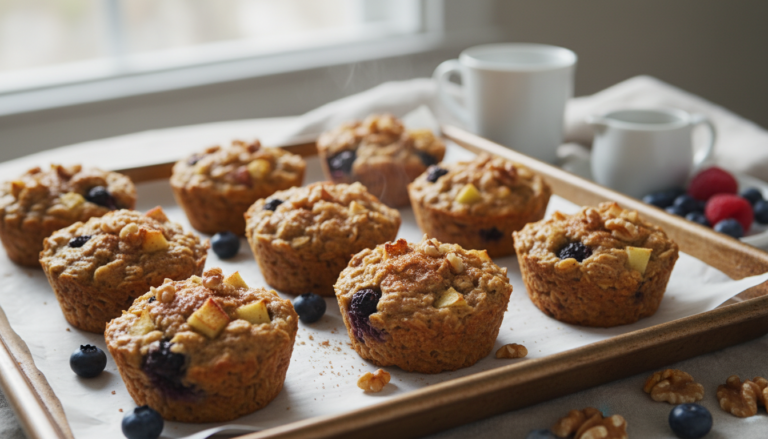
Baked Oatmeal Cups
This baked oatmeal cups recipe transforms wholesome oats into perfectly portioned, muffin-shaped breakfasts that reheat beautifully and taste like comfort in every bite.
12
servings10
minutes30
minutes120
kcal40
minutesIngredients
2 cups rolled oats
1 teaspoon baking powder
0.5 teaspoon cinnamon
0.25 teaspoon salt
2 whole eggs
1 cup milk
0.25 cup maple syrup
1 teaspoon vanilla extract
0.5 cup mixed berries
Directions
- Preheat your oven to 350 degrees Fahrenheit and prepare a muffin tin by lining it with muffin liners or greasing it lightly.
- In a large bowl, combine the rolled oats, baking powder, cinnamon, and salt, ensuring they are mixed thoroughly.
- In another bowl, whisk together the eggs, milk, maple syrup, and vanilla extract until well combined and slightly frothy.
- Pour the wet ingredients into the dry ingredients and stir them together until all the oats are fully coated.
- Fold in the mixed berries gently to incorporate them without breaking them up too much.
- Scoop the mixture evenly into the prepared muffin tin, filling each cup about three-quarters full.
- Bake in the preheated oven for 25 to 30 minutes, or until the tops are golden and a toothpick inserted in the center comes out clean.
- Allow the oatmeal cups to cool in the pan for about 5 minutes before transferring to a wire rack to cool completely.
Nutrition Facts
- Total number of serves: 4
- Calories: 120kcal
- Cholesterol: 0mg
- Sodium: 620mg
- Potassium: 400mg
- Sugar: 8g
- Protein: 6g
- Calcium: 60mg
- Iron: 2mg
About This Author

Amelia Grace
Editor-in-Chief & Culinary Director
The heart and guiding voice of Daily Dish, Amelia leads our editorial vision and recipe development. With a background in food journalism and over a decade spent in professional kitchens, she has a knack for blending gourmet technique with real-world accessibility. Her goal? To make every reader feel like a confident cook, one dish at a time.
Favorite dish: Creamy lemon risotto with a sprinkle of fresh thyme.
Kitchen motto: “Good food doesn’t have to be complicated — it just has to be made with heart.”