Daily Dish

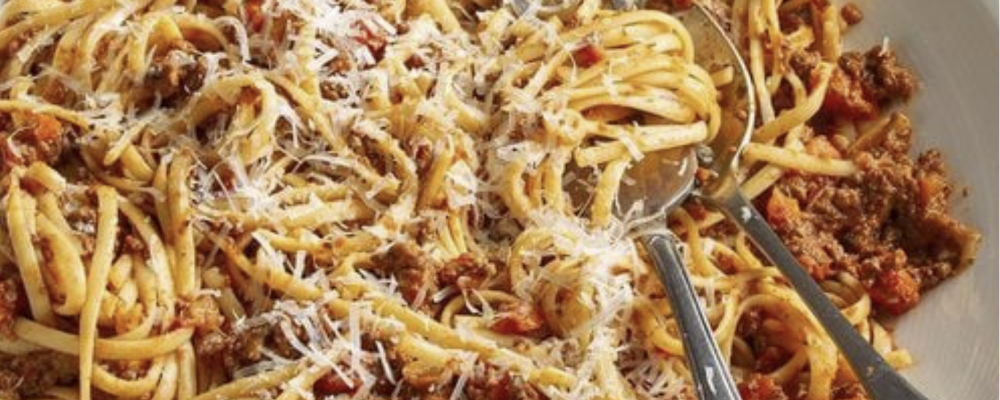
Beef Bolognese with Linguine

Healthy Fact of the Day

Tomatoes in the Bolognese sauce provide a dose of antioxidants, and lean ground beef adds protein without excess fat. This Beef Bolognese with Linguine is a satisfying and classic dish that combines rich flavors with nutritious elements.

Ingredients


  • 1 lb ground beef (lean)
  • 1 tablespoon olive oil
  • 1 onion, finely chopped
  • 2 carrots, finely chopped
  • 2 celery stalks, finely chopped
  • 3 cloves garlic, minced
  • 1/2 cup red wine (optional)
  • 1 can (28 oz) crushed tomatoes
  • 1/2 cup tomato paste
  • 1 cup beef broth
  • 1 teaspoon dried oregano
  • 1 teaspoon dried basil
  • 1/2 teaspoon dried thyme
  • Salt and black pepper to taste
  • 1/4 cup fresh parsley, chopped
  • 1 lb linguine pasta
  • Grated Parmesan cheese for serving
  •  

Instructions


  1. Heat olive oil in a large pot or Dutch oven over medium heat.

  2. Add ground beef and cook until browned, breaking it apart with a spoon. Remove excess fat if necessary.

  3. Add chopped onion, carrots, celery, and minced garlic. Cook until vegetables are softened, about 5-7 minutes.

  4. Pour in red wine (if using) and let it simmer for 2-3 minutes to cook off the alcohol.

  5. Stir in crushed tomatoes, tomato paste, beef broth, dried oregano, dried basil, dried thyme, salt, and black pepper.

  6. Bring the mixture to a simmer, then reduce heat to low. Cover and let it simmer for at least 1 hour, stirring occasionally.

  7. Cook linguine pasta according to package instructions. Drain and set aside.

  8. Adjust the seasoning of the Bolognese sauce if needed and stir in chopped fresh parsley.

  9. Serve the Beef Bolognese over cooked linguine pasta.

  10. Garnish with grated Parmesan cheese.


Enjoy this comforting and hearty Beef Bolognese with Linguine as a classic Italian-inspired meal!

Recent Recipes

Fritos Is Dropping a Spicy Dill Pickle

  • May 14, 2026
  • 3 min read

Pitcher Mai Tais

  • May 14, 2026
  • 11 min read

A Line Cook’s Guide to Wasting Almost

  • May 14, 2026
  • 8 min read

Mexican Chopped Cheese Sandwich

  • May 14, 2026
  • 8 min read

Lunchables Just Launched a Grown-Up Version of

  • May 13, 2026
  • 4 min read

Chicken in White Wine Sauce

  • May 13, 2026
  • 12 min read

The Unwritten Rules of a Great Meal

  • May 13, 2026
  • 8 min read

Spring Pasta Garden Salad

  • May 13, 2026
  • 8 min read

Trader Joe’s May 2026 Drops Are Turning

  • May 12, 2026
  • 5 min read

Black Bean Dip

  • May 12, 2026
  • 10 min read

Tip of the Day

“Always let your meat rest before slicing.”

Whether you're roasting a chicken, grilling steak, or baking pork tenderloin, letting cooked meat rest for 5–10 minutes before slicing allows the juices to redistribute evenly. This simple step keeps your meat juicy and tender, ensuring every bite is flavorful and moist. Bonus: It gives you a moment to plate your sides or garnish for a perfect presentation!

Our Latest Recipes

Blog
Daily Disher

Fritos Is Dropping a Spicy Dill Pickle Flavor Twist — And the Timing Couldn’t Be Better

Spicy snacks like these can actually have a surprising benefit — capsaicin, the compound responsible for heat in chili-based seasonings, has been linked to temporarily boosting metabolism and reducing appetite. That said, flavored chips are still high in sodium and refined carbs, so portion control matters. Measuring out a single serving before snacking — rather than eating from the bag — is the easiest way to enjoy the flavor without overdoing it at your next cookout or movie night.

Read More »
Beverages
Amelia Grace

Pitcher Mai Tais

Fresh lime juice is rich in vitamin C and antioxidants that support immune health and may help improve skin quality — tropical flavor with wellness benefits!

Read More »
Blog
Daily Disher

A Line Cook’s Guide to Wasting Almost Nothing

Vegetable peels and trimmings often contain higher concentrations of certain nutrients than the interior flesh — potato skins, for example, contain significantly more fiber, potassium, and B vitamins than the peeled potato. Using trimmings in stocks and soups rather than discarding them recaptures a portion of these nutrients that would otherwise be lost, making zero-waste cooking a nutritional practice as well as a culinary and environmental one.

Read More »

Get your daily dose of delicious!

Skip to content