Daily Dish

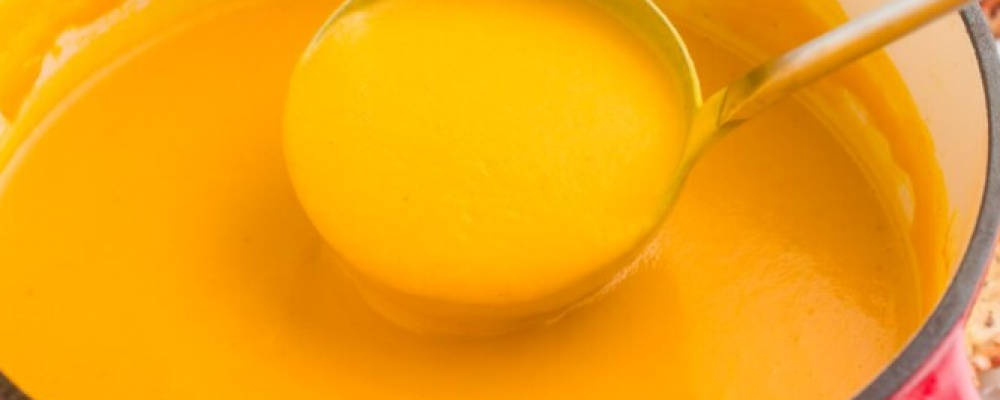
Roasted Carrot and Sweet Potato Soup

Healthy Fact of the Day

Roasted Carrot and Sweet Potato Soup is a nutritious and comforting option that's rich in vitamins and antioxidants. Carrots and sweet potatoes provide natural sweetness, while roasting intensifies their flavors, creating a delicious and wholesome soup.

Ingredients


  • 4 large carrots, peeled and chopped
  • 2 medium sweet potatoes, peeled and chopped
  • 1 onion, chopped
  • 3 cloves garlic, minced
  • 2 tablespoons olive oil
  • 4 cups vegetable broth
  • 1 teaspoon ground cumin
  • 1/2 teaspoon ground coriander
  • 1/2 teaspoon smoked paprika
  • Salt and black pepper to taste
  • 1 can (14 oz) coconut milk
  • Fresh cilantro, chopped, for garnish
  •  
  •  

Instructions


  1. Preheat the oven to 400°F (200°C).

  2. In a large bowl, toss chopped carrots, sweet potatoes, and chopped onion with olive oil, minced garlic, ground cumin, ground coriander, smoked paprika, salt, and black pepper.

  3. Spread the vegetable mixture on a baking sheet in a single layer.

  4. Roast in the preheated oven for 30-35 minutes or until the vegetables are tender and slightly caramelized.

  5. Transfer the roasted vegetables to a large pot.

  6. Add vegetable broth to the pot and bring the mixture to a simmer.

  7. Using an immersion blender, blend the soup until smooth. Alternatively, transfer the soup to a blender in batches and blend until smooth.

  8. Stir in coconut milk, adjusting the consistency if needed.

  9. Season with additional salt and black pepper if necessary.

  10. Heat the soup over low heat until warmed through.

  11. Serve the Roasted Carrot and Sweet Potato Soup hot, garnished with chopped fresh cilantro.


Enjoy this velvety and flavorful soup as a comforting and nutritious meal!
Recent Recipes

Hawaiian Chicken Tacos with Pineapple Salsa

  • July 28, 2026
  • 10 min read

Key West Grilled Chicken

  • July 28, 2026
  • 6 min read

The Cook’s Library: Books That Changed How

  • July 28, 2026
  • 10 min read

Samuel Adams Just Dropped Its Fall Beer

  • July 27, 2026
  • 3 min read

Air Fryer Cheese Bites

  • July 27, 2026
  • 11 min read

Dutch Oven Short Rip Ragu Pappardelle

  • July 27, 2026
  • 7 min read

The Table After Summer: Cooking Into the

  • July 27, 2026
  • 11 min read

Burger King Just Introduced a Free Whopper

  • July 26, 2026
  • 3 min read

Chocolate Caramel Cookie Bars

  • July 26, 2026
  • 18 min read

Roasted Garlic White Bean & Herb Bites

  • July 26, 2026
  • 15 min read

Tip of the Day

“Always let your meat rest before slicing.”

Whether you're roasting a chicken, grilling steak, or baking pork tenderloin, letting cooked meat rest for 5–10 minutes before slicing allows the juices to redistribute evenly. This simple step keeps your meat juicy and tender, ensuring every bite is flavorful and moist. Bonus: It gives you a moment to plate your sides or garnish for a perfect presentation!

Our Latest Recipes

Chicken Recipes
Benjamin Brown

Hawaiian Chicken Tacos with Pineapple Salsa

Chicken breast is one of the leanest proteins available, high in B vitamins and selenium. Using honey instead of refined sugar in the marinade provides trace minerals and antioxidants alongside sweetness. Pineapple contains bromelain, a natural enzyme that supports digestion and has anti-inflammatory properties, making this tropical salsa as functional as it is delicious.

Read More »
Chicken Recipes
Benjamin Brown

Key West Grilled Chicken

Lime juice in the marinade provides vitamin C and acts as a natural tenderizer through its citric acid content, producing a juicier, more tender finished chicken without any added fat. Honey is bold enough in flavor that a small amount delivers meaningful caramelization and sweetness on the grill, keeping the overall sugar content of the marinade moderate.

Read More »
Blog
Daily Disher

The Cook’s Library: Books That Changed How We Think About Food

Research on food literacy — the understanding of where food comes from, how it is produced, and what its nutritional and ecological implications are — consistently finds that higher food literacy is associated with better dietary quality, greater consumption of whole and minimally processed foods, and stronger motivation for sustainable food choices. Reading about food — not just recipe books but books about food culture, food systems, and food history — is one of the most effective ways to develop food literacy. The investment of time in the cook’s library produces measurable improvements in the quality of food choices that purely nutritional education does not achieve.

Read More »

Get your daily dose of delicious!

Skip to content