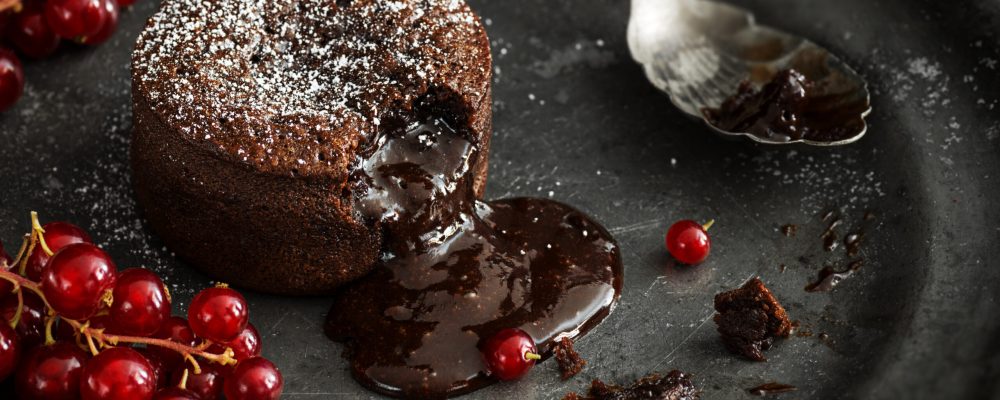

There is a course that arrives at the end of a meal that is unlike any other.
Not because it is the most technically demanding — though pastry is among the most technically exacting work in any kitchen. Not because it is the most nutritionally significant — though it can be. Not because it is the most culturally loaded — though the specific desserts associated with specific occasions carry a weight of meaning that no other course quite matches.
Dessert is unlike any other course because of when it arrives.
It comes at the end. After the hunger has been addressed. After the conversation has found its rhythm. After the wine has done its work and the table has settled into the particular ease of people who have eaten well together. Dessert arrives into this specific emotional and physiological context — and that context is what makes it something other than simply the sweet course.
Dessert is permission. It is the moment when the practical business of eating — the nutrition, the sustenance, the satisfying of hunger — is complete and what remains is pure pleasure. Nothing that follows dinner needs to happen. Dessert happens anyway. Because the meal is not yet over. Because there is still something to enjoy. Because ending on sweetness is one of the oldest and most universal human pleasures, present in virtually every food culture in every part of the world.
Why Sweetness Comes Last
The placement of sweetness at the end of a meal is not arbitrary. It reflects a specific understanding of how the palate and the appetite work — an understanding that most food cultures arrived at independently, which suggests that it reflects something true rather than merely conventional.
Sweetness suppresses appetite. The dessert course serves, among other functions, as a signal to the body that the meal is complete — that the eating has ended, that it is safe to stop. The specific physiological mechanism involves the interaction between blood glucose, insulin, and appetite-regulating hormones, but the experiential reality is familiar to anyone who has eaten a sweet dessert at the end of a meal: the specific satisfaction it provides is different in kind from the satisfaction of a savory course. It completes the meal in a way that another savory dish, however excellent, would not.
There is also a sensory logic to sweetness at the end. The palate that has been working through the complexity of savory flavors — the acids, the fats, the umami, the salt — is reset by sweetness in a way that allows it to experience the final flavors of the meal with a freshness that a second helping of the main course would not provide. The dessert is, in part, a palate reset — a final sensory experience in a register so different from what preceded it that it arrives with the quality of something new.
And there is a psychological logic. Ending on a high note — on a pleasure freely chosen rather than practically necessary — leaves a specific quality of impression. The final thing experienced in any sequence shapes the memory of the entire sequence more strongly than what came before it — the phenomenon that psychologists call the peak-end rule. Dessert, as the final course, shapes how the entire meal is remembered. A great dessert elevates the memory of a good meal. A disappointing dessert can subtly diminish the memory of an excellent one.
The Desserts That Mark Time
No category of food is more closely tied to specific occasions than dessert — and no other course carries the same weight of ritual and memory.
The birthday cake is perhaps the most universal example in contemporary Western culture: a specific preparation, made or purchased specifically for a specific person on a specific occasion, around which an entire ritual — candles, singing, the specific social performance of the moment before the blowing out — has developed. The birthday cake is not primarily a food. It is a ceremony. The food is the vehicle for the ceremony.
The same is true of the wedding cake — whose tiers and decorations and the specific ritual of the first slice are an established social script as much as a culinary choice. The Thanksgiving pie — whichever specific variety a family has decided is the correct one, a decision that is often defended with more intensity than almost any other food preference. The Christmas pudding of the British tradition, flamed at the table, carrying a cultural significance that its specific flavor alone would not justify.
These desserts are not primarily about taste. They are about time — about marking specific moments in the calendar of a life or a year, about the specific pleasure of a food that appears only at this occasion and therefore carries the weight of all the previous occasions at which it appeared.
The cook who makes the birthday cake from scratch — who takes the time to produce something specifically for the person whose birthday it is — is doing something that a purchased cake, however technically superior, cannot fully replicate. The homemade cake carries the evidence of time and care in a way that purchased goods cannot. It says: I thought about you. I made this for you specifically.
That communication, delivered through dessert, is part of what dessert has always been for.
The Pastry Kitchen as a Different World
Within the professional kitchen, pastry occupies a position that is distinct from the rest of cooking — a separate kitchen, a separate brigade, a separate set of techniques and tools and values that sometimes seem to be governed by entirely different principles.
The pastry kitchen is cold where the main kitchen is hot. Its work is measured where the main kitchen’s work is intuitive. Its products are structured where savory cooking is fluid. The pastry chef works in grams where the line cook works in pinches. The pastry chef works hours ahead where the line cook works in minutes.
This separation reflects a genuine difference in the nature of the work. Pastry is primarily chemistry — the specific interaction of proteins, fats, sugars, and starches under controlled conditions to produce specific textures, structures, and reactions. The margin for error is smaller than in savory cooking because the chemistry is less forgiving: too much gluten development produces tough pastry, too little produces crumbly pastry, and the line between the two is not the wide range that salt levels or cooking times in savory cooking accommodate.
The specific precision that pastry requires — the weighing of ingredients rather than measuring by volume, the careful attention to temperature, the specific techniques of lamination and tempering and emulsification that produce specific results — is one of the most technically demanding in all of cooking.
And yet the product of all this precision is often the most ephemeral thing on the menu. A perfectly laminated croissant eaten an hour after baking. A soufflé that exists for minutes before collapsing. A delicate tuile that will soften within hours. The precision produces something beautiful and specific — and then time undoes it.
This quality of transience is part of what makes dessert what it is. The meal that ends in a perfect slice of tarte Tatin or a properly made crème brûlée — its caramelized sugar crust cracking cleanly at the first touch of a spoon — has been given something that cannot be preserved or reproduced. It exists fully only in the moment of eating.
The Home Baker’s Relationship With Dessert
The home baker who makes dessert occupies a different position than the home cook who prepares the rest of the meal — and the difference is worth naming.
Savory cooking is largely forgiving. A braise that is slightly over or under-seasoned remains a braise. A pasta sauce that is slightly thick or slightly thin remains a pasta sauce. The elastic nature of savory cooking — its tolerance for variation, its accommodation of improvisation, its relatively wide margin of what is acceptable — makes it accessible to cooks at almost every skill level.
Pastry is less forgiving. The cake that is slightly over-mixed has a different crumb structure than the properly mixed one. The pastry dough that is handled too warmly produces less flaky results. The custard that is cooked a degree or two past the ideal temperature scrambles rather than sets smoothly.
These stricter tolerances produce a specific relationship between the home baker and their work — one that can produce either the particular satisfaction of precision or the frustration of standards that require more technical control than intuition allows.
The home baker who has accepted the precision of pastry — who has learned to weigh rather than measure, to work cold with cold ingredients, to understand the specific role of each ingredient rather than treating recipes as lists of components — finds in dessert a form of cooking that is demanding in a way that rewards the investment.
The home baker who has not made this accommodation often finds pastry more consistently disappointing than savory cooking — not because they lack skill, but because they are applying a savory cook’s relationship with imprecision to a medium that requires something closer to exactness.
The Simple Dessert and Its Underrated Pleasures
For all the technical ambition that fine pastry represents, the most consistently satisfying desserts are often the simplest — preparations that require minimal technique and that deliver pleasure through the quality of their ingredients rather than the complexity of their construction.
A ripe peach at the peak of summer, sliced and served with nothing. Good chocolate broken into pieces and eaten with a glass of whatever wine or spirit happens to be at the table. A bowl of berries with cream that has been lightly whipped to just barely holding its shape, with a small amount of sugar dissolved into it and perhaps a drop of vanilla.
These are not recipes. They are decisions — the decision to let the ingredient be the dessert rather than transforming it into something more elaborate. And they are often more memorable than more ambitious preparations, precisely because they depend entirely on the quality of what they begin with.
The peak-season strawberry with nothing but a little sugar and cream is available for a few weeks a year and is one of the most vivid pleasures that summer eating offers. The same strawberry made into a compote or incorporated into a tart is excellent — but it is not the same experience as the direct, unmediated encounter with the strawberry at its best.
The simple dessert is the confident dessert — the preparation that says the ingredient is sufficient and that the cook’s job is to present it rather than transform it. It is the dessert expression of the same philosophy that the best savory cooking arrives at after years of accumulation: that the best thing to do with something extraordinary is often the least.
The Takeaway
Dessert is not a footnote to the meal. It is the conclusion — the final note that shapes how the entire meal is remembered and that provides the specific closure that turns a collection of dishes into a complete experience.
Make it. Not always elaborately — the simple dessert is often the best dessert. But make it with the understanding of what it is there to do: to provide pleasure freely chosen after necessity is satisfied, to mark the occasion with sweetness, to end the meal on the note that makes the memory of the meal worth keeping.
The last thing on the plate is the thing most remembered.
Make it worth remembering.