
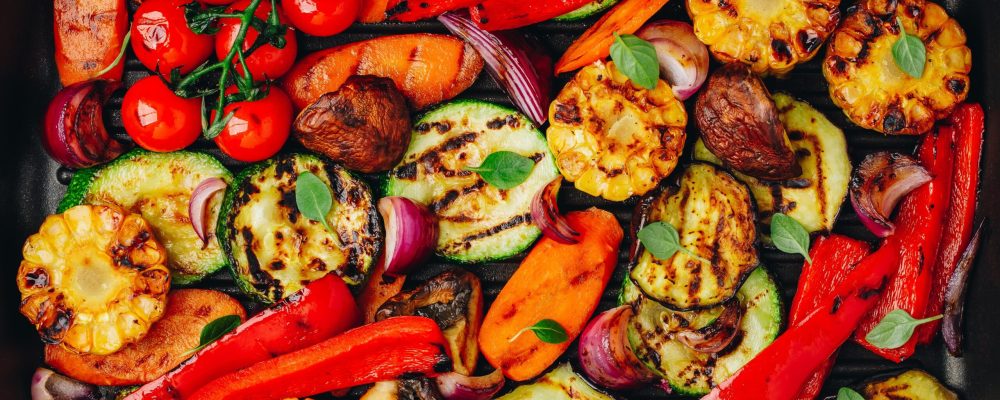

You roast vegetables hoping for caramelized edges and tender interiors.
What you get is steamed, mushy vegetables that taste bland and look pale.
They’re soft throughout with no textural contrast. No crispy edges. No browning. Just limp, wet vegetables that could have been boiled for all the difference it makes.
Restaurant roasted vegetables are different. Crispy edges. Tender centers. Deep brown caramelization. They taste concentrated and sweet.
You followed the recipe. You set the oven to the right temperature. You roasted them for the suggested time.
So why are yours mushy while restaurant versions have actual texture?
The answer is usually one specific mistake that prevents proper roasting before it even starts—a mistake that guarantees steam instead of caramelization no matter what else you do right.
The Vegetables Are Too Wet
This is the primary cause of mushy roasted vegetables.
Water on the surface of vegetables turns to steam in the oven. That steam keeps the vegetables wet and prevents browning.
Instead of roasting, the vegetables essentially steam themselves. They soften without developing any crust or caramelization.
Chefs dry vegetables thoroughly after washing—using salad spinners for greens and leafy vegetables, patting everything else completely dry with towels.
They want vegetables bone-dry before oil is added. Any surface moisture will prevent proper roasting.
Home cooks often rinse vegetables and immediately toss them with oil while still wet. Or they don’t dry them thoroughly enough.
That moisture means the first 15 to 20 minutes of “roasting” is actually just evaporating water. By the time vegetables are dry enough to brown, they’re already overcooked and mushy.
Dry your vegetables completely. Use multiple towels if necessary. Make sure there’s no visible water before adding oil.
This single step transforms roasting results more than almost anything else.
The Oven Isn’t Hot Enough
Vegetables roasted at 375°F or below steam and soften before they can brown.
The temperature isn’t high enough to drive off moisture quickly and create the intense surface heat needed for caramelization.
Chefs roast vegetables at 425°F to 450°F. Some even go higher for certain vegetables.
The high heat rapidly evaporates surface moisture and creates the dry heat needed for browning.
Home cooks often roast at 375°F or 400°F, thinking it’s “hot enough.” It’s not. The vegetables soften and turn mushy before they ever brown.
Increase your oven temperature. 425°F minimum. 450°F for vegetables like Brussels sprouts, broccoli, or cauliflower that can handle aggressive heat.
The higher temperature is what creates texture contrast—crispy outside, tender inside.
The Pan Is Overcrowded
When vegetables are packed tightly on a sheet pan, they release moisture that has nowhere to go.
That moisture creates a humid environment. The vegetables steam instead of roast, even at high temperature.
Chefs spread vegetables in a single layer with space between pieces. If they have more vegetables than fit on one pan, they use multiple pans.
This allows air circulation and moisture evaporation. Each piece roasts properly instead of steaming its neighbors.
Home cooks often pile vegetables on a single pan because they don’t want to wash multiple pans. The vegetables touch and overlap. They create their own steam bath.
Use multiple pans if necessary. Space vegetables out. They should have at least 1/2 inch between pieces.
That spacing is the difference between roasted and steamed.
You’re Not Using Enough Oil
Oil conducts heat and promotes browning. Without enough oil, vegetables don’t develop that caramelized crust.
Insufficient oil also means vegetables stick to the pan and tear when you try to flip them, losing the crust they did manage to develop.
Chefs toss vegetables generously with oil. The vegetables should be well-coated—glistening but not swimming.
This creates even heat distribution and promotes browning across all surfaces.
Home cooks often use a light drizzle or misting spray, trying to minimize fat. The vegetables don’t brown properly and they stick to the pan.
Use enough oil. Two to three tablespoons for a large sheet pan of vegetables. Toss well to coat every piece.
Properly oiled vegetables roast. Under-oiled vegetables steam and stick.
The Vegetables Are Cut Too Small
Small vegetable pieces cook through before their surfaces can brown.
By the time you get any color, the interior is overcooked and mushy. There’s no textural contrast.
Chefs cut vegetables into substantial pieces—at least 1 to 1.5 inches. Large enough to develop a crust while maintaining a tender interior.
Home cooks often cut vegetables small, thinking smaller pieces cook faster or more evenly. They do cook faster—but they also overcook and turn mushy before browning.
Cut vegetables larger than you think you should. Bigger pieces give you a wider window for achieving the right balance of crispy outside and tender inside.
You’re Not Flipping Them
Vegetables left undisturbed for the entire roasting time brown on one side only. The top side steams and stays pale.
Flipping ensures even browning on multiple surfaces and prevents the bottom from burning while the top stays wet.
Chefs flip vegetables halfway through roasting. This creates even color and texture on all sides.
Home cooks often put vegetables in the oven and don’t touch them until done. One side browns (maybe), the other doesn’t.
Set a timer for the halfway point. Open the oven. Flip everything. This creates much more even results.
The Pan Is Too Thin
Thin sheet pans heat and cool quickly. They don’t hold heat well when you add cold vegetables.
The temperature drops. The vegetables release moisture. Everything steams instead of roasting.
Heavy sheet pans maintain temperature better. The consistent heat promotes better browning.
Chefs use heavy-duty sheet pans in commercial kitchens. These distribute heat evenly and don’t warp.
Home cooks often use thin, flimsy sheet pans that came free with the oven. These create hot spots and don’t maintain temperature.
Invest in at least one or two heavy-duty half-sheet pans. They make a noticeable difference in roasting performance.
You’re Using Frozen Vegetables
Frozen vegetables are full of ice crystals. When roasted, those crystals melt into water.
That water creates steam. The vegetables never properly roast—they steam and turn mushy.
Even if you try to dry them, frozen vegetables release so much moisture during cooking that they can’t properly brown.
Chefs use fresh vegetables for roasting. Frozen vegetables get steamed or used in soups, not roasted.
Home cooks sometimes try to roast frozen vegetables for convenience. They end up with mushy, pale results no matter what technique they use.
Use fresh vegetables for roasting. Save frozen vegetables for other cooking methods where their moisture content isn’t a problem.
The Vegetables Are Too Old
Fresh vegetables have less moisture and firmer texture. They roast better.
Old, limp vegetables have higher moisture content and softer structure. They release water during roasting and turn mushy before browning.
Chefs use fresh vegetables. Restaurants go through produce quickly, so freshness is rarely an issue.
Home cooks sometimes roast vegetables that have been in the refrigerator for a week or more. Those vegetables are already starting to break down.
The fresher the vegetables, the better they roast. Use older vegetables for soups or purees where texture matters less.
You’re Not Preheating the Pan
Putting cold vegetables on a cold pan means everything heats up gradually together.
By the time the pan is hot, the vegetables have already released moisture. They’re steaming before roasting even begins.
Some chefs preheat the sheet pan in the oven before adding vegetables. The vegetables hit a hot surface and immediately start roasting instead of gradually warming up.
This technique is particularly effective for vegetables like potatoes that benefit from an immediate sear.
Most home cooks don’t do this because it seems unnecessary. But it creates noticeably better results, especially for dense vegetables.
The Vegetables Have Different Cooking Times
Roasting delicate asparagus with dense carrots means one will be overcooked while the other is still raw.
Or everything ends up mushy because you waited for the slowest-cooking vegetable.
Chefs either roast vegetables separately or add them in stages based on cooking time.
Dense vegetables like carrots go in first. Medium vegetables like Brussels sprouts go in 10 minutes later. Quick-cooking vegetables like asparagus go in for the final 10 minutes.
Home cooks often toss mixed vegetables together and roast everything for the same time. Some turn to mush while others stay raw.
Either roast vegetables separately or stagger their addition based on cooking time.
What You Should Do Tonight
Wash your vegetables. Dry them completely—use towels, use a salad spinner, make sure they’re bone-dry.
Cut them into large, uniform pieces—at least 1 to 1.5 inches.
Toss with 2 to 3 tablespoons of oil until well coated. Spread on a heavy sheet pan with space between pieces.
Roast at 425°F to 450°F. Set a timer for halfway through the suggested cooking time. Flip vegetables at the halfway point.
Continue roasting until edges are deeply browned and vegetables are tender but not mushy.
That process produces roasted vegetables with actual texture—crispy edges, tender centers, caramelized flavor.
Not steamed. Not mushy. Actually roasted.
The Takeaway
Mushy roasted vegetables aren’t about wrong temperature or poor timing.
They’re about moisture—specifically, starting with wet vegetables that steam instead of roast.
Dry vegetables completely. Use high heat. Don’t overcrowd the pan. Use enough oil. Cut pieces large enough to develop texture.
Restaurants serve perfectly roasted vegetables because they control moisture, use proper heat, and give vegetables space to roast rather than steam.
Home cooks often skip the drying step, use moderate heat, and crowd pans to minimize cleanup.
But now you know what actually makes vegetables roast instead of steam.
Dry them thoroughly. High heat. Space them out. Flip halfway through.
Do that and your vegetables finally have the crispy edges and caramelized flavor that proper roasting produces.
Not mushy. Not steamed. Roasted.
The way they’re supposed to be.














