
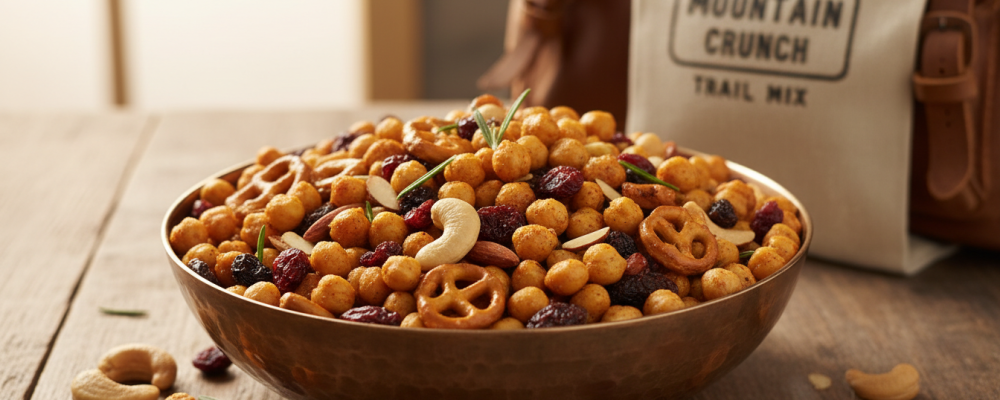

Achieving genuinely crispy roasted chickpeas represents one of home cooking’s most deceptive technical challenges. The process appears simple—toss with oil and spices, roast until crisp—yet most attempts produce chickpeas that emerge from the oven seemingly crispy but soften disappointingly within hours of cooling. The critical variable isn’t roasting temperature or seasoning technique but rather understanding moisture dynamics: chickpeas contain approximately 60% water by weight when canned, and achieving lasting crispness requires reducing that moisture content to below 5% through controlled heat application and proper drying methodology.
This recipe solves the crispy-chickpea problem through systematic approach: thorough drying before roasting removes surface moisture that would create steam and prevent browning. The 400°F temperature provides sufficient heat to drive off interior moisture while creating the Maillard reaction that develops flavor and color. The 30-35 minute roasting time allows complete dehydration without burning. Most importantly, complete cooling before combining with other trail mix components prevents residual heat from creating condensation that would immediately compromise the achieved crispness.
What makes this trail mix format particularly effective for meal prep is the strategic combination of components with complementary textures and nutritional profiles. The roasted chickpeas provide protein and fiber along with satisfying crunch. The dried cranberries contribute concentrated sweetness and chewy texture that creates contrast. The roasted almonds add additional protein, healthy fats, and different textural dimension. The sunflower seeds contribute crunch variation and nutritional diversity. Together, these components create a snack that’s texturally interesting, nutritionally complete, and genuinely satisfying rather than just temporarily palliative.
The shelf-stable nature of this preparation deserves emphasis—unlike refrigerated meal prep snacks that require cold storage and have limited portability, this trail mix maintains quality at room temperature for 1-2 weeks when properly stored. This stability makes it suitable for desk drawers, car storage, gym bags, or travel—contexts where refrigerated snacks aren’t viable. The versatility across storage and consumption contexts maximizes the utility from a single preparation session.
The Inspiration Behind This Recipe
This recipe emerged from systematic analysis of why commercial roasted chickpea snacks succeed texturally while home versions often fail. Professional food manufacturing employs specific techniques—industrial dehydration before roasting, precise temperature control, modified atmosphere packaging—that create and preserve crispness. I needed to reverse-engineer those outcomes using standard home equipment without requiring specialized tools or ingredients.
The breakthrough came from understanding that chickpea crispness is primarily about moisture removal rather than cooking technique. Canned chickpeas are fully cooked but saturated with water. Simply roasting them drives off some moisture but not enough to create lasting crispness—the remaining interior moisture gradually migrates to the surface during cooling, creating the characteristic softening that plagues most attempts. The solution involves aggressive initial drying (patting with paper towels, allowing air-dry time before roasting) combined with extended roasting that fully dehydrates the chickpeas rather than just surface-crisping them.
The trail mix format reflects recognition that roasted chickpeas alone, while nutritious, can become monotonous as a standalone snack. Combining them with dried fruit, nuts, and seeds creates textural and flavor variety that prevents palate fatigue. The sweet-savory combination—spiced chickpeas against sweet cranberries—creates that addictive quality where you keep reaching for “just one more handful” because each bite delivers different flavor experiences depending on which components you encounter.
The specific spice blend (paprika, cumin, garlic powder) was designed to create recognizable, appealing flavor without aggressive heat or exotic ingredients that might limit appeal. This combination tastes vaguely Mediterranean or Middle Eastern—familiar enough to be approachable while distinctive enough to feel intentional rather than generic. The moderate seasoning intensity also means these chickpeas work both as standalone snacks and as components of the trail mix without overwhelming the nuts and fruit.
A Brief History of Trail Mix and Roasted Legumes
Trail mix as a concept—combining nuts, dried fruit, and occasionally chocolate or other components—emerged in the mid-20th century American outdoor recreation culture. The format solved practical problems for hikers and backpackers: lightweight, calorie-dense, shelf-stable food requiring no preparation or refrigeration. The combination of nuts (fat and protein), dried fruit (quick energy from sugars), and sometimes chocolate (additional quick energy plus morale boost) created portable nutrition suitable for sustained physical activity.
Roasted chickpeas have ancient precedents in Middle Eastern and Mediterranean cuisines where they appear as snacks (often called leblebi or similar names) or as components of mixed nut-and-seed preparations. These traditional preparations understood what modern nutrition science has confirmed: legumes provide exceptional protein and fiber density, making them satisfying snacks that provide sustained energy rather than the quick spike-and-crash of simple carbohydrates.
The contemporary trend of incorporating roasted chickpeas into trail mix represents fusion of traditional concepts—ancient Middle Eastern roasted chickpeas, American trail mix format—into preparations suited to modern dietary preferences emphasizing plant-based proteins, whole foods, and nutrient density. Commercial versions appeared in health food stores in the early 2010s, gaining mainstream adoption as plant-based eating became more prevalent and consumers sought protein-rich snack alternatives to chips and crackers.
What makes crispy chickpea trail mix particularly suited to current meal prep culture is how it addresses multiple priorities simultaneously: plant-based protein for those reducing animal products, portable nutrition for busy schedules, shelf-stable storage eliminating refrigeration concerns, and batch preparation efficiency allowing weeks of snacking from a single cooking session.
Why This Roasting Method Works for Meal Prep
The success of these roasted chickpeas for achieving and maintaining crispness hinges on understanding the relationship between moisture content, heat application, and structural changes during roasting. Chickpeas contain primarily starch and protein in their dry matter, with water comprising 60-65% of canned chickpeas’ weight. Achieving crispness requires reducing moisture content to approximately 3-5%—low enough that the chickpeas’ structure becomes rigid and brittle rather than tender and yielding.
The roasting process at 400°F drives moisture removal through multiple mechanisms. Initially, surface moisture evaporates rapidly, creating the conditions for browning through Maillard reactions between proteins and sugars. As roasting continues, interior moisture migrates toward the surface and evaporates, progressively dehydrating the chickpea from outside inward. The stirring at the halfway point ensures even heat exposure, preventing some chickpeas from burning while others remain insufficiently dried.
The critical 30-35 minute roasting time represents the minimum duration required for complete moisture removal from chickpeas of standard size (approximately 1/2 inch diameter). Shorter roasting produces chickpeas that seem crispy when hot but soften as they cool and interior moisture redistributes. Longer roasting risks burning before achieving additional dehydration. The endpoint—golden color, noticeably lighter weight, and audible crackling when stirred—indicates successful moisture removal.
The complete cooling before mixing with other trail mix components prevents condensation damage to achieved crispness. Hot chickpeas continue releasing steam during cooling; if combined with dried fruit, nuts, or seeds while still warm, that steam condenses on cooler components and then re-absorbs into the chickpeas, immediately compromising texture. Cooling to room temperature (approximately 30-45 minutes) ensures all residual moisture has dissipated and the chickpeas’ structure has fully stabilized.
The olive oil coating serves functions beyond flavor delivery. The oil creates a more uniform heat distribution across chickpea surfaces, promoting even browning. The fat facilitates Maillard reactions and contributes to flavor development. Perhaps most importantly, the oil helps spices adhere uniformly rather than falling off during handling and storage. The thin oil coating also provides minimal moisture barrier that helps maintain crispness during storage, though the primary preservation mechanism is complete initial dehydration rather than protective coating.
Storage in airtight containers prevents moisture reabsorption from ambient air. Even in relatively low-humidity environments, chickpeas will gradually absorb moisture if exposed to air, softening progressively over days. Sealed containers with minimal headspace maintain the low-moisture environment achieved through roasting, preserving crispness for 1-2 weeks. Adding food-safe silica gel packets (the kind used in commercial snack packaging) extends shelf life further by absorbing any residual moisture.
Flavor Profile: What to Expect
This crispy chickpea trail mix delivers complex, satisfying flavors with excellent textural variety:
- Savory and smoky from paprika that provides mild, sweet pepper flavor and appealing color
- Warm and earthy from cumin that adds distinctive aromatic depth without aggressive spiciness
- Savory and pungent from garlic powder that contributes umami complexity
- Salty and well-seasoned from salt that enhances all other flavors and creates addictive quality
- Nutty and toasted from roasted chickpeas themselves, which develop pleasant grain-like flavor during roasting
- Sweet and tart from dried cranberries that provide chewy contrast and bright fruit notes
- Rich and buttery from roasted almonds that contribute satisfying crunch and nutty depth
- Mild and nutty from sunflower seeds that add subtle flavor and textural variation
The overall impression is remarkably similar to high-quality commercial savory snack mixes—the kind you’d pay $8-10 for a small bag at specialty food stores—despite being assembled from basic ingredients. The spiced chickpeas taste genuinely addictive with that “can’t stop eating” quality characteristic of well-executed snack foods. The sweet cranberries provide palate-cleansing brightness that resets your taste buds between handfuls, preventing sensory fatigue. The nuts and seeds add richness and textural variety that keeps each handful feeling different and interesting.
Unlike many meal prep items where flavor peaks initially and declines during storage, this trail mix maintains remarkable stability. The roasted chickpeas’ flavor is locked in through the Maillard reaction products that don’t degrade significantly at room temperature. The dried fruit, nuts, and seeds are already preserved products designed for extended shelf life. The spices’ essential oils remain potent in the sealed container environment. Day fourteen tastes nearly identical to day one—a rare characteristic that makes this genuinely suitable for extended meal prep rather than just surviving adequate storage duration.
Tips for Making the Best Crispy Chickpea Trail Mix
Precision in moisture removal and roasting technique creates chickpeas that achieve and maintain genuine crispness:
- Dry chickpeas thoroughly: Pat multiple times with paper towels until no moisture transfers to the towels. This initial drying is critical—skip it and you’ll never achieve lasting crispness.
- Let chickpeas air-dry: After towel drying, spread on the baking sheet and let sit at room temperature for 15-30 minutes. This additional drying time significantly improves final crispness.
- Remove loose skins: Some chickpea skins will come off during drying. Remove and discard them—they never crisp properly and create texture inconsistency.
- Use minimal oil: Just enough to coat—approximately 1-2 tablespoons per can of chickpeas. Excess oil prevents crisping and creates greasy rather than crunchy texture.
- Spread in single layer: Chickpeas must have space between them for air circulation. Crowding creates steam pockets that prevent even drying.
- Resist checking too often: Every time you open the oven, temperature drops and roasting slows. Check at the 15-minute mark for the stir, then wait until 30 minutes minimum before checking again.
- Look for color and weight changes: Properly roasted chickpeas are golden brown and feel noticeably lighter than raw chickpeas—this weight loss indicates moisture removal.
- Cool completely: Allow 30-45 minutes of cooling time before mixing with other components or storing. Rushing this creates condensation that ruins crispness immediately.
- Store nuts and seeds separately initially: If making large batches, keep roasted chickpeas separate from trail mix components for first 24 hours to ensure crispness is fully stable before combining.
- Use quality dried fruit: Choose dried cranberries without added oil (oil can transfer to chickpeas and soften them). Slightly less moist dried fruit works better than very soft, sticky versions.
- Customize ratios: The 2:1:1:1 ratio (chickpeas to cranberries to almonds to seeds) can be adjusted based on preference—more nuts for richness, more fruit for sweetness, more chickpeas for protein focus.
The most critical factors are complete initial drying (determines whether crispness is achievable), adequate roasting time (determines whether moisture is fully removed), and complete cooling (determines whether achieved crispness is maintained).
Portioning and Container Suggestions
This recipe yields approximately 4-5 cups of trail mix, which divides into 8-10 snack servings (approximately 1/2 cup per serving). Each serving provides roughly 150-200 calories with 8-10 grams of protein, substantial fiber, and healthy fats—creating genuine satiety that lasts 2-3 hours rather than the temporary satisfaction from typical snack foods.
For storage, wide-mouth glass jars with tight-sealing lids work ideally for keeping the full batch. Quart-sized mason jars accommodate approximately 4 cups comfortably, making them suitable for storing the entire batch with minimal headspace. The clear glass allows you to see the contents, and the airtight seal preserves crispness effectively. Alternatively, quality plastic containers with secure snap lids work adequately, though glass is preferred for its complete impermeability to air and moisture.
For grab-and-go convenience, portion trail mix into small containers or zip-top bags—approximately 1/2 cup (one serving) per portion. This pre-portioning prevents overconsumption (easy to eat 2-3 servings mindlessly from a large container) while creating ready-to-grab snacks for throwing in bags, keeping in car cup holders, or storing in desk drawers. Snack-size zip-top bags are economical and portable; small 4-ounce glass jars are reusable and more environmentally friendly.
For maximum shelf life, consider vacuum-sealing larger portions if you have the equipment. Removing air dramatically extends the period before any moisture absorption occurs, potentially extending storage from 1-2 weeks to 3-4 weeks. However, this is optional rather than necessary for typical meal prep timeframes.
The shelf-stable nature of this trail mix creates unique strategic value: you can prepare large batches (double or triple the recipe) and portion them for extended periods without refrigeration concerns. Make a month’s worth of snacks in a single afternoon, something impossible with refrigerated options that have 3-5 day shelf lives.
Storage, Reheating, and Shelf Life Tips
- Room temperature storage: Store in airtight containers at room temperature for 1-2 weeks. Properly roasted chickpeas maintain excellent crispness throughout this period.
- Avoid refrigeration: Cold temperatures don’t extend shelf life significantly and can actually promote condensation when containers are removed from refrigerator and warm to room temperature.
- Minimize air exposure: Open containers only when removing portions, then reseal immediately. Every air exposure introduces moisture that gradually softens chickpeas.
- Use silica gel packets: Food-safe desiccant packets (available online or save from commercial packaging) absorb residual moisture and extend shelf life to 3-4 weeks.
- No reheating necessary: This is designed to be eaten at room temperature. The chickpeas are already roasted; reheating serves no purpose and can actually make them less crispy if any moisture is introduced.
- Refresh softened chickpeas: If chickpeas lose some crispness, spread on a baking sheet and re-crisp at 350°F for 5-10 minutes, then cool completely before returning to container.
- Store components separately for longer shelf life: Keep roasted chickpeas in one container, nuts/fruit/seeds in another, combining portions as needed. This prevents any moisture from fruit affecting chickpea crispness.
- Freezing chickpeas: Roasted chickpeas can be frozen for 2-3 months. Thaw at room temperature and refresh in oven if needed. Don’t freeze the complete trail mix—frozen dried fruit becomes unpleasantly hard.
- Quality indicators: Fresh trail mix smells pleasantly of spices and roasted nuts. Chickpeas should be audibly crunchy when bitten. Soft or chewy chickpeas indicate moisture absorption—still safe to eat but texture is compromised.
- Optimal consumption window: While safe for 2+ weeks, peak texture quality occurs in the first week. Make batches sized appropriately for your consumption rate.
- Travel-friendly: This trail mix is ideal for travel—no refrigeration needed, won’t spoil or leak, airport-security-friendly, provides substantial nutrition in portable format.
Why This Recipe Deserves a Spot in Your Meal Prep Rotation
From a nutritional efficiency perspective, this trail mix delivers exceptional macronutrient balance rarely found in conventional snack foods. Each half-cup serving provides 8-10 grams of plant-based protein (from chickpeas, almonds, and seeds), complex carbohydrates for sustained energy, healthy fats for satiety and nutrient absorption, and substantial fiber for digestive health and blood sugar stability. This composition creates genuine hunger satisfaction that lasts hours—compare that to chips, crackers, or candy that provide temporary sensory pleasure followed by renewed hunger within 30-60 minutes.
The economic calculation is remarkable: this trail mix costs approximately $8-10 to make and yields 8-10 servings—roughly $1 per serving. Commercial trail mix with roasted chickpeas costs $6-8 for 4-5 ounce packages (approximately 1.5 servings)—roughly $4-5 per serving. You’re saving $3-4 per serving by making this yourself, which compounds to $24-40 per batch. Over months of regular preparation, these savings reach hundreds of dollars while you’re consuming demonstrably higher quality ingredients without the preservatives, excessive sodium, or added sugars common in commercial versions.
The shelf-stable characteristic creates strategic advantages unavailable with refrigerated snacks. You can keep portions in multiple locations—desk drawer at work, car glove compartment, gym bag, travel luggage—ensuring you always have nutritious options available regardless of circumstances. This ubiquity removes the vulnerability to poor snack choices that occurs when healthy options aren’t immediately accessible. When nutritious snacking requires only reaching into your bag rather than finding a store, making a purchase decision, and potentially compromising on quality, healthy choices become the path of least resistance.
But perhaps most valuable is how this trail mix exemplifies the principle that healthy food can be genuinely enjoyable rather than merely tolerable. The crispy chickpeas satisfy the craving for crunchy, salty snacks that chips or crackers would provide. The cranberries deliver sweetness that candy might offer. The nuts provide richness and satisfaction. You’re not sacrificing sensory pleasure for nutrition—you’re getting both simultaneously, which is the only approach that creates sustainable healthy eating rather than temporary compliance dependent on willpower. When your healthy snacks taste this good, choosing them isn’t discipline—it’s preference.
Meal Prep Pairing Suggestions
This crispy chickpea trail mix completes a comprehensive snacking strategy that covers every craving category and storage scenario. Pair it with Dark Chocolate Energy Bites or Almond Butter Balls for sweet-and-savory rotation—shelf-stable trail mix when you want crunchy-salty, refrigerated energy balls when you want soft-sweet. Having both categories prepped ensures you’re never stuck eating something that doesn’t match your current craving, dramatically improving meal prep adherence.
For those wanting varied textures within savory snacking, combine this trail mix with Stuffed Mini Peppers or Caprese Skewers. The contrast is remarkable: room-temperature crunchy trail mix versus cold creamy-fresh vegetable bites. This textural diversity prevents snack fatigue and ensures you have appropriate options for different hunger levels—trail mix for light hunger or sustained energy needs, vegetable bites for more substantial snacking or when you want fresh, hydrating food.
The shelf-stable nature makes this trail mix strategically valuable for emergency preparedness within your meal prep system. While refrigerated meal prep requires consistent access to cold storage and regular grocery shopping to maintain fresh ingredients, this trail mix provides nutritious backup requiring no refrigeration and lasting weeks. Keep a batch in your pantry or desk as insurance against the weeks when meal prep doesn’t happen perfectly—you’ll still have at least one healthy option available rather than being completely dependent on takeout or convenience store options.
For complete meal prep coverage across all eating occasions and storage requirements, this trail mix represents the final piece in a comprehensive system:
Shelf-stable options (no refrigeration): Crispy Chickpea Trail Mix, Dark Chocolate Energy Bites, Almond Butter Balls (after initial refrigeration to set)
Refrigerated options (3-5 days): All egg-based breakfasts, grain bowls, wraps, salads, most vegetable-based snacks
Freezer-friendly options (1-3 months): Breakfast Burritos, Baked Oatmeal Cups, Sweet Potato Pancakes, Peanut Butter Banana Oat Cups, Egg Muffin Cups, Spinach Feta Egg Bake
Preparation complexity spectrum: No-cook assembly (pinwheels, skewers, parfaits) → minimal cooking (energy bites, trail mix) → moderate cooking (most recipes) → batch baking (oat cups, pancakes)
Dietary pattern coverage: Omnivore, vegetarian, vegan-adaptable, high-protein, plant-forward, low-carb options, gluten-free options
Cuisine diversity: Mediterranean, Asian, Mexican/Southwestern, American, fusion preparations
This comprehensive toolkit means you’re genuinely prepared for every scenario: rushed mornings (freezer breakfast options), afternoon hunger (shelf-stable trail mix or refrigerated veggie snacks), lunch variety (multiple grain bowls and wraps), dinner simplicity (sheet pan meals), travel nutrition (shelf-stable snacks), budget constraints (economical bulk preparations), time scarcity (no-cook assembly recipes), dietary restrictions (options for every common restriction), and flavor preferences (sufficient variety to prevent monotony indefinitely).
The ultimate value of this complete meal prep system—forty-plus recipes covering every meal, every snack, every dietary need, every storage timeline, every skill level—is the confidence and competence it creates. You’re no longer hoping meal prep works or experimenting tentatively with a few recipes. You have comprehensive knowledge and proven systems for feeding yourself well regardless of circumstances. That certainty—that deep competence—transforms your relationship with food from source of stress and decision fatigue into simple, reliable aspect of life you’ve mastered.
This crispy chickpea trail mix, as the final recipe in this collection, represents that mastery perfectly: shelf-stable nutrition requiring minimal effort, delivering genuine pleasure, costing a fraction of commercial alternatives, and providing reliable fuel when you need it. It embodies everything effective meal prep should be—simple, sustainable, satisfying, and genuinely supportive of the life you want to live rather than adding complexity or restriction. Use it well, along with all the other recipes you’ve learned, and recognize that you now possess knowledge that creates genuine freedom: the ability to consistently eat well without it consuming significant time, mental energy, or financial resources. That’s the promise of meal prep mastery, and it’s now yours to keep.
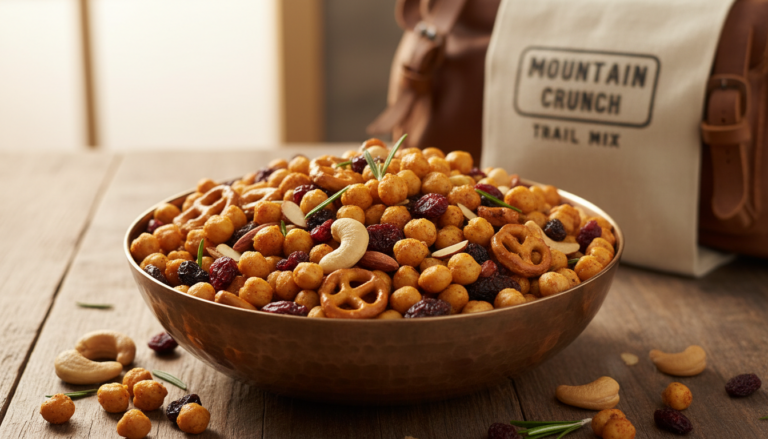
Crispy Chickpea Trail Mix
This crispy chickpea trail mix recipe transforms humble canned chickpeas into addictively crunchy, protein-rich snacks combined with nuts and dried fruit for perfectly portioned fuel that stays fresh without refrigeration.
8
servings10
minutes35
minutes210
kcal45
minutesIngredients
2 cups canned chickpeas, drained and rinsed
2 tbsp olive oil
1 tsp paprika
0.5 tsp cumin
0.5 tsp garlic powder
0.5 tsp salt
0.25 tsp black pepper
1 cup dried cranberries
1 cup roasted almonds
0.5 cup sunflower seeds
Directions
- Preheat oven to 400°F (200°C) and line a baking sheet with parchment paper.
- Pat the chickpeas dry with paper towels to remove excess moisture.
- In a large bowl, toss chickpeas with olive oil, paprika, cumin, garlic powder, salt, and black pepper.
- Spread the seasoned chickpeas onto the prepared baking sheet in a single layer.
- Bake in the preheated oven for 30-35 minutes, stirring halfway through, until they are golden and crispy.
- Remove from the oven and let cool completely.
- In a large bowl, combine the cooled chickpeas with dried cranberries, roasted almonds, and sunflower seeds.
- Store in an airtight container for up to one week.
Nutrition Facts
- Total number of serves: 4
- Calories: 210kcal
- Cholesterol: 0mg
- Sodium: 620mg
- Potassium: 400mg
- Sugar: 8g
- Protein: 6g
- Calcium: 60mg
- Iron: 2mg
About This Author

Benjamin Brown
Recipe Developer
Benjamin is our flavor engineer. A classically trained chef turned recipe developer, he’s obsessed with balancing taste, texture, and creativity. He ensures that every recipe we publish is not only delicious but also reliable, approachable, and repeatable — even for beginners.
Favorite dish: Slow-braised short ribs with red wine reduction.
Kitchen motto: “Cooking is part science, part soul.”















