
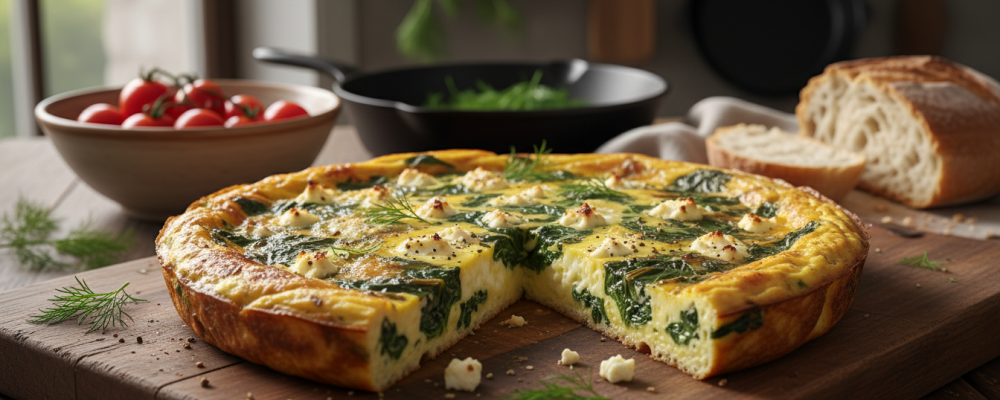

Large-format egg bakes present distinct advantages over individual egg preparations for specific meal prep scenarios: they require less active assembly time (one pan versus twelve muffin cups), create uniform portions through slicing rather than scooping, and develop superior texture through slower, more even cooking in a large vessel. However, they also present unique technical challenges—achieving complete cooking throughout without overcooking the edges, creating structure that maintains integrity when sliced, and developing flavor complexity that prevents monotony across eight servings.
This recipe addresses all three challenges through strategic technique: the sautéed aromatics (onion and garlic) provide flavor foundation that permeates the entire bake rather than existing as isolated pockets, the spinach’s moisture is managed through pre-cooking that drives off excess water before incorporation, and the feta’s salt and tang distribute throughout the egg matrix during baking, creating integrated flavor rather than just scattered cheese bits. The result is an egg bake where every slice tastes intentionally composed rather than just being a cross-section of mixed ingredients.
What makes this Mediterranean-inspired combination particularly effective is the synergy between components chosen for complementary moisture levels and flavor intensities. Fresh spinach contains approximately 90% water by weight—if added raw to the egg mixture, it would release that moisture during baking, creating a watery, unappetizing result. Pre-wilting the spinach drives off much of that water while concentrating its flavor and reducing its volume by roughly 90%, making it manageable within the egg base. The feta provides salt, tang, and creamy pockets that prevent this from tasting like a virtuous-but-bland vegetable egg scramble.
The cooking methodology—375°F for 30-35 minutes—represents calibrated temperature and timing designed to achieve complete coagulation throughout the bake without the aggressive overcooking that creates rubbery texture and sulfurous flavor. Lower temperatures would require excessive time that dries the edges before the center sets; higher temperatures create the opposite problem. This moderate heat allows proteins to denature and set gradually, retaining moisture and maintaining tender texture that survives refrigeration and reheating better than rapidly-cooked eggs.
─────────
The Inspiration Behind This Recipe
This recipe emerged from analyzing why restaurant frittatas and baked egg dishes maintain appeal when served hours after cooking while home versions often disappoint by the time you’re ready for seconds. Professional kitchens employ specific techniques—flavor layering through aromatics, moisture management through vegetable pre-cooking, strategic cheese placement—that create eggs capable of withstanding extended hot-holding or reheating without quality degradation. I needed to translate those principles into a format optimized for weekly meal prep rather than restaurant service.
The spinach and feta combination reflects both Greek culinary traditions (spanakopita, various spinach-cheese preparations) and practical meal prep considerations. Spinach provides significant nutritional density—vitamins A, K, folate, iron—in a format that integrates seamlessly into egg preparations without creating textural issues. Feta contributes protein, calcium, and distinctive tangy flavor that makes these eggs taste special rather than generic. The combination is familiar enough to be approachable but distinctive enough to feel intentional.
I experimented with various spinach preparation methods before determining that sautéing with aromatics produces optimal results. Raw spinach added directly to eggs releases too much moisture during baking. Frozen spinach, even when thawed and squeezed dry, contributes a “cooked vegetable” flavor that tastes reheated even when fresh. Fresh spinach sautéed briefly with onion and garlic achieves the ideal balance: concentrated spinach flavor, minimal excess moisture, and aromatic complexity from the garlic and onion that prevents bland egg taste.
The baking dish format—9×13 inch pan creating 8 servings—represents strategic portioning for weekly meal prep. Smaller pans create thicker egg layers that take longer to cook through and can develop textural gradients (overcooked edges, undercooked center). Larger pans create thin layers that overcook easily and provide too many servings for typical meal prep timeframes. This size creates approximately 1-inch thick baked eggs that cook evenly and portion sensibly into breakfast servings for 4 days (2 slices per serving) or 8 days (1 slice per serving for lighter appetites or complemented with other breakfast components).
─────────
A Brief History of Baked Egg Dishes and Mediterranean Cuisine
Baked egg preparations appear across multiple culinary traditions—from French quiche to Italian frittata to Spanish tortilla to Middle Eastern shakshuka. These dishes emerged partly from practicality (feeding multiple people efficiently) and partly from the reality that eggs’ protein structure makes them uniquely suited to gentle oven cooking that produces tender, uniform results difficult to achieve on the stovetop.
Greek cuisine specifically has a long tradition of egg-based dishes featuring spinach and feta, with spanakopita (spinach-cheese pie in phyllo) being the most internationally recognized example. The combination reflects Greece’s agricultural traditions—abundant leafy greens, sheep’s milk cheese production, and chickens providing eggs. These ingredients appeared together regularly not because someone designed a flavor profile but because they were what farmers and home cooks had available and found complementary.
The evolution from traditional preparations (often involving pastry or bread components) to simple baked egg dishes reflects modern preferences for protein-forward, lower-carbohydrate meals. Contemporary versions often eliminate the pastry or bread entirely, focusing on eggs and vegetables as primary components. This shift aligns with current understanding of protein’s role in satiety and metabolic health while maintaining the flavor combinations that made traditional preparations appealing.
What makes this spinach-feta egg bake particularly suited to contemporary meal prep culture is how it delivers restaurant-brunch quality in a format designed for advance preparation and extended storage. You’re not sacrificing flavor or satisfaction for convenience—you’re engineering a preparation method that maintains both across multiple days, which is precisely what effective meal prep requires.
─────────
Why This Baking Method Works for Meal Prep
The success of this egg bake for extended storage and reheating hinges on understanding how large-format egg cooking differs from individual preparations and how to manage moisture from vegetables without compromising texture. When eggs are baked in a 9×13 inch pan, heat penetration occurs more slowly than in individual muffin cups—this slower cooking allows proteins to denature and coagulate gradually, creating a more tender protein network that retains moisture better during storage.
The 375°F temperature represents a calculated balance between cooking speed and texture preservation. At this temperature, the edges of the bake reach setting temperature (approximately 160°F) within 15-20 minutes, while the center requires the full 30-35 minutes. This gradual progression prevents the dramatic temperature gradients that create rubbery edges and wet centers. The moderate heat also minimizes moisture loss—eggs baked at higher temperatures release more liquid through syneresis (protein network contraction), creating watery results that worsen during refrigeration.
The sautéed vegetable preparation serves critical moisture management functions. Raw spinach contains approximately 90% water; during sautéing, much of that water evaporates, reducing spinach volume by 85-90% while concentrating flavor compounds. This pre-cooking also breaks down spinach’s cell walls, releasing bound water before the spinach enters the egg mixture. The result is spinach that contributes flavor and nutrition without the excess moisture that would make the egg bake watery and prevent it from setting properly.
The aromatics (onion and garlic) provide more than flavor—they contribute compounds that enhance the Maillard reaction during baking, creating the golden-brown surface that indicates proper cooking and contributes flavor complexity beyond just eggs and vegetables. The onion’s sugars caramelize slightly, the garlic’s sulfur compounds mellow and sweeten, and both integrate throughout the egg matrix as the bake cooks, creating layered flavor rather than one-dimensional egg taste.
Feta cheese’s role extends beyond providing tangy flavor. As a brined cheese with relatively low moisture content (compared to fresh cheeses like mozzarella), feta maintains its structure during baking rather than melting into a greasy puddle. The salt in feta seasons the eggs from within, distributing evenly throughout rather than creating the uneven seasoning that occurs when salt is only added to the egg mixture. The cheese’s fat content contributes to tenderness and provides protective coating for protein strands that helps maintain texture during refrigeration and reheating.
From a storage perspective, the large-format bake develops a protective surface during cooking—the exposed top layer forms a slight skin that helps seal in moisture during refrigeration. This is why properly baked egg dishes can be refrigerated for 5-6 days with minimal quality loss, while scrambled eggs (with no protective surface) often deteriorate by day 3-4. The structural integrity of the bake also means it can be sliced when cold without falling apart, creating clean portions that reheat uniformly.
─────────
Flavor Profile: What to Expect
This spinach and feta egg bake delivers Mediterranean-inspired flavors with excellent balance and complexity:
- Rich and savory from properly cooked eggs that taste like eggs rather than overcooked sulfur
- Tangy and salty from feta cheese that provides that characteristic Greek sharpness
- Fresh and slightly mineral from spinach that contributes green vegetable notes without bitterness
- Sweet and aromatic from sautéed onions that add depth and subtle sweetness
- Warm and pungent from garlic that infuses throughout, providing savory complexity
- Creamy and tender from the milk-enriched egg mixture that creates luxurious texture
- Well-seasoned from salt and black pepper that enhance rather than mask natural flavors
The overall impression is of Greek taverna breakfast or brunch—familiar enough to be comforting, distinctive enough to feel special. The feta prevents this from tasting like generic scrambled eggs with vegetables, while the garlic and onion create aromatic complexity that makes each bite interesting rather than monotonous. This tastes intentional and composed, like something you’d order at a nice brunch spot, not just eggs you threw together for meal prep convenience.
Over 4-5 days of storage, the flavors continue integrating as the eggs absorb the feta’s tanginess and the aromatics distribute more evenly. The garlic mellows from sharp to sweet, the onions become more pronounced, and the spinach’s mineral notes soften into the background. By day three, many people prefer the more integrated, complex flavor to day one’s brighter but more distinct components. The eggs maintain their tender texture without developing the sulfurous off-notes that sometimes plague refrigerated egg dishes—the feta’s acidity and the aromatics’ compounds help preserve fresh flavor throughout storage.
─────────
Tips for Making the Best Spinach & Feta Egg Bake
Precision in vegetable preparation and baking technique creates bakes that remain appealing throughout the storage period:
- Use fresh spinach, not frozen: Fresh spinach sautéed briefly provides better flavor and texture control than frozen spinach, which often tastes overcooked even when prepared correctly.
- Sauté spinach until completely wilted: Cook until all moisture has evaporated and spinach is dry in the pan, not glistening with water. This prevents watery egg bake.
- Let sautéed vegetables cool before mixing: Hot vegetables added to eggs can cause premature coagulation and uneven texture. Cool to room temperature before combining.
- Whisk eggs thoroughly: Beat until completely uniform with no visible whites remaining. Proper incorporation ensures even texture and color throughout the bake.
- Don’t overfill the baking dish: The egg mixture should be approximately 1 inch deep in the pan. Overfilling creates thick layers that take too long to cook through.
- Grease the pan generously: Use butter or oil to coat every surface of the baking dish. This ensures clean release when slicing and serving, even days later.
- Check doneness properly: The center should be just set when you gently shake the pan—it will firm up as it cools. Overbaking creates rubbery texture. Use an instant-read thermometer if uncertain: 160-165°F in the center indicates doneness.
- Cool in the pan: Let the bake rest in the pan for 10-15 minutes after removing from oven. This allows the structure to set fully and makes slicing cleaner.
- Slice when completely cool: Refrigerate the bake until fully chilled (at least 2 hours or overnight), then slice into portions. Cold eggs slice more cleanly than warm ones.
- Use a sharp knife and wipe between cuts: Clean cuts create better presentation and prevent the slices from sticking together during storage.
- Store slices with parchment between layers: If stacking in containers, place parchment paper between layers to prevent sticking and maintain shape.
The most critical factors are complete spinach wilting (prevents watery bake), proper doneness without overbaking (maintains tender texture), and complete cooling before slicing (ensures clean portions).
─────────
Portioning and Container Suggestions
This recipe yields 8 generous servings when cut into rectangular portions from a 9×13 inch pan. Each serving provides approximately 15-18 grams of protein—substantial enough for breakfast or as part of a lunch plate. The standard portioning creates 8 pieces, which divides into 4 days of breakfast (2 pieces per serving) or 8 days for lighter appetites or when paired with other breakfast components like fruit or toast.
For storage, I recommend portioning into individual servings immediately after slicing. Use containers that fit 1-2 slices comfortably—approximately 2-3 cup capacity rectangular containers work well. Glass containers are ideal because they don’t absorb odors, can go directly from refrigerator to microwave, and allow you to see exactly what’s inside when making breakfast decisions.
For those preferring to store the entire bake and slice as needed throughout the week, leave it in the original baking dish, cover tightly with plastic wrap or aluminum foil, and refrigerate. This minimizes handling and reduces the number of containers needed, though it requires slicing each morning rather than just grabbing a pre-portioned serving. Both approaches work—choose based on whether you prioritize minimal dishes or maximum morning convenience.
If you’re meal prepping for multiple people or want to maximize batch efficiency, double the recipe and use two 9×13 pans or one larger roasting pan. The cooking time may increase slightly for a larger/deeper pan—monitor doneness by checking the center’s temperature rather than relying solely on timing.
For strategic meal prep, consider making this egg bake alongside other breakfast options. Spend one Sunday morning making this bake, Baked Oatmeal Cups, and perhaps a batch of Breakfast Burritos—three different breakfast formats covering both sweet and savory preferences, all freezer-friendly, providing weeks of varied breakfast from a single prep session.
─────────
Storage, Reheating, and Shelf Life Tips
- Refrigerator storage: Store in airtight containers for 5-6 days. This egg bake maintains excellent quality throughout, often improving slightly as flavors meld.
- Complete cooling before storage: Allow the bake to cool completely to room temperature (about 1-2 hours) before covering and refrigerating. Storing warm creates condensation that makes the bake soggy.
- Slice before or after storage: Both approaches work. Slicing before storage creates grab-and-go convenience; keeping whole and slicing as needed minimizes handling and container needs.
- Freezer storage: Freeze individual slices wrapped in plastic wrap, then placed in freezer bags, for up to 3 months. The texture holds up remarkably well through freezing and thawing.
- Reheating from refrigerated: Microwave 1 slice for 45-60 seconds, 2 slices for 90-120 seconds, until heated through. Cover with a damp paper towel to prevent drying.
- Reheating from frozen: Microwave 1 frozen slice for 2-3 minutes, flipping halfway through. Alternatively, thaw overnight in refrigerator and reheat as directed for refrigerated slices.
- Oven reheating option: For better texture, reheat at 350°F for 10-15 minutes (refrigerated) or 20-25 minutes (frozen). This method better maintains the original texture than microwaving.
- Eating cold is acceptable: These slices are perfectly good cold, making them suitable for eating at your desk or during commutes when reheating isn’t available.
- Add fresh elements when serving: Top with fresh herbs, a dollop of Greek yogurt, sliced tomatoes, or avocado for variety and additional nutrition.
- Quality indicators: Fresh egg bake smells pleasantly of eggs, garlic, and feta without any sour or sulfurous odors. Properly stored slices maintain their golden color and firm texture.
- Texture expectations: Day 1-2 slices have slightly softer texture; days 3-5 become firmer but remain tender and moist. This textural evolution is normal and doesn’t indicate quality loss.
- Prevent drying: Ensure containers seal tightly. Exposure to refrigerator air dries the edges and makes them tough and unpleasant.
─────────
Why This Recipe Deserves a Spot in Your Meal Prep Rotation
From a time-efficiency perspective, this spinach and feta egg bake delivers exceptional return on investment. Total active time—sautéing vegetables, whisking eggs, baking—runs approximately 45 minutes including passive oven time. This generates 8 servings, working out to roughly 5-6 minutes per breakfast when amortized across servings. Compare this to making eggs fresh each morning (7-10 minutes including cleanup) or stopping for breakfast (15-30 minutes plus $6-10 cost), and both time and economic advantages become substantial.
The nutritional architecture provides comprehensive benefits beyond basic protein delivery. Each serving delivers 15-18 grams of complete protein from eggs and feta, exceptional amounts of vitamins A and K from spinach (more than 100% of daily requirements), folate for cellular function, iron for oxygen transport, and calcium from both feta and eggs. The garlic and onion contribute prebiotic compounds that support beneficial gut bacteria. You’re not just eating breakfast—you’re consuming genuinely health-promoting food that tastes like Mediterranean vacation rather than virtuous obligation.
The large-format bake solves a specific meal prep challenge that individual preparations don’t address as effectively: feeding multiple people efficiently. If you’re preparing breakfast for a household rather than just yourself, making twelve individual egg muffin cups feels tedious. Making one large bake that everyone can slice from creates the same outcome (portioned breakfast for the week) with significantly less assembly effort. This scalability makes egg bakes particularly valuable for family meal prep or for individuals who want to maximize batch efficiency.
But perhaps most valuable is the psychological benefit of having restaurant-quality breakfast immediately available every morning. The Mediterranean flavor profile—garlicky spinach, tangy feta, fluffy eggs—creates genuine eating pleasure rather than just nutritional compliance. When breakfast tastes this good, you’re not forcing yourself to eat healthy through willpower. You’re choosing it enthusiastically because it’s genuinely appealing, which is the only approach that creates sustainable habits rather than temporary compliance that fades when motivation wanes.
─────────
Meal Prep Pairing Suggestions
This spinach and feta egg bake functions optimally within a comprehensive breakfast strategy that provides protein variety and prevents egg fatigue. Pair it with Cottage Cheese Scrambled Eggs or Peanut Butter Banana Oat Cups for a week of diverse breakfast options—savory egg bake when you want Mediterranean flavors, creamy scrambled eggs when you want quick reheating, sweet oat cups when you’re craving something dessert-adjacent. Having multiple formats prepped means you can choose based on mood, hunger level, or simply what sounds appealing on any given morning.
For those wanting both warm and cold breakfast options, these egg bake slices complement Greek Yogurt Parfaits or Overnight Oats perfectly. Alternate between warm, protein-rich egg slices and cool, refreshing parfaits or oats throughout the week—variety that prevents breakfast boredom while maintaining consistent morning nutrition. This diversity ensures you actually eat what you’ve prepped rather than letting it waste because you’re tired of the same thing every day.
These egg bake slices also work excellently beyond breakfast. They make ideal components of lunch plates—add a slice alongside Mason Jar Salads or grain bowls for additional protein. They function as afternoon snacks when you need substantial fuel between meals. Some people even serve them as light dinner with a side salad when they want something quick, easy, and protein-forward without heavy evening cooking.
For a complete meal prep strategy covering all eating occasions, combine this spinach feta egg bake (breakfast) with Greek Chicken Wraps, Lemon Herb Salmon Bowls, or Black Bean Farro Bowls (lunch rotation), Sheet Pan Chicken with Vegetables or other dinner options (evening meals), and various energy bites or vegetable-based snacks (between-meal hunger). This comprehensive system means Sunday preparation covers every meal Monday through Friday—no skipped breakfasts, no poor lunch choices, no evening snacking on chips because you lack prepared alternatives.
The strategic value of mastering egg-based meal prep across multiple formats—individual muffin cups, scrambled eggs, and now large-format bakes—deserves emphasis. Eggs represent one of the most nutritious, versatile, and economical proteins available. A dozen eggs costs $3-6 and provides 70+ grams of complete protein with exceptional nutrient density. By developing competence across different egg preparation methods, you unlock tremendous meal prep flexibility: individual portions when you need grab-and-go convenience, scrambled when you want quick reheating, bakes when you’re feeding multiple people or want elegant presentation. This versatility means eggs can anchor your breakfast meal prep indefinitely without monotony, providing the nutritional foundation that makes every other food choice throughout your day easier and more successful.
When you combine this final recipe with all the others in this comprehensive meal prep collection, you have a complete system covering every eating occasion, every dietary preference, every schedule constraint, and every flavor craving. You’re not just learning individual recipes—you’re building a meal prep practice that can sustain you indefinitely, adapting to changing circumstances while consistently delivering the nutrition and convenience that make healthy eating sustainable long-term. That’s the ultimate value of thorough meal prep mastery: not perfection, but reliable competence that supports your life regardless of what challenges arise.
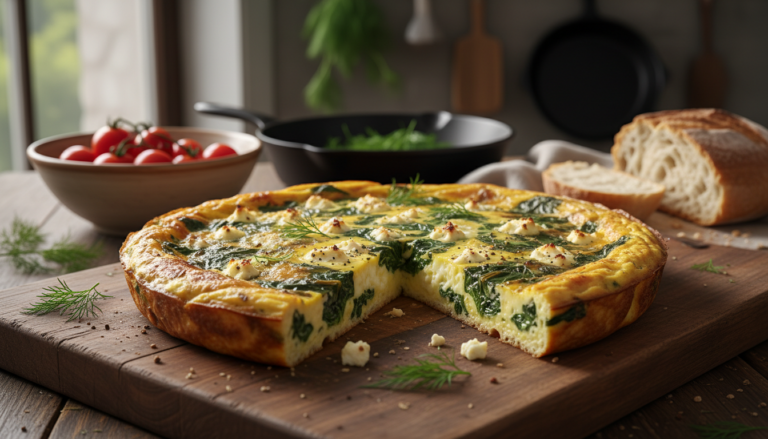
Spinach & Feta Egg Bake
This spinach and feta egg bake recipe transforms simple eggs and vegetables into a Mediterranean-inspired breakfast casserole that slices perfectly, reheats beautifully, and delivers restaurant-quality flavor all week long.
6
servings15
minutes45
minutes220
kcal1
hourIngredients
10 oz fresh spinach
8 large eggs
1 cup crumbled feta cheese
1 cup milk
1 tbsp olive oil
1 medium onion, diced
2 cloves garlic, minced
1/2 tsp salt
1/4 tsp black pepper
Directions
- Preheat the oven to 375°F (190°C).
- In a large skillet, heat olive oil over medium heat.
- Add diced onion and sauté until translucent, about 5 minutes.
- Add minced garlic and cook for another 1 minute until fragrant.
- Add spinach to the skillet and cook until wilted, about 3 minutes.
- In a large bowl, whisk together eggs, milk, salt, and black pepper.
- Stir in the cooked spinach mixture and crumbled feta cheese.
- Pour the mixture into a greased 9×13 inch baking dish.
- Bake in the preheated oven for 30-35 minutes, or until the center is set and the top is golden.
- Let it cool slightly before slicing and serving.
Nutrition Facts
- Total number of serves: 4
- Calories: 220kcal
- Cholesterol: 0mg
- Sodium: 620mg
- Potassium: 400mg
- Sugar: 8g
- Protein: 6g
- Calcium: 60mg
- Iron: 2mg
About This Author

Benjamin Brown
Recipe Developer
Benjamin is our flavor engineer. A classically trained chef turned recipe developer, he’s obsessed with balancing taste, texture, and creativity. He ensures that every recipe we publish is not only delicious but also reliable, approachable, and repeatable — even for beginners.
Favorite dish: Slow-braised short ribs with red wine reduction.
Kitchen motto: “Cooking is part science, part soul.”















