
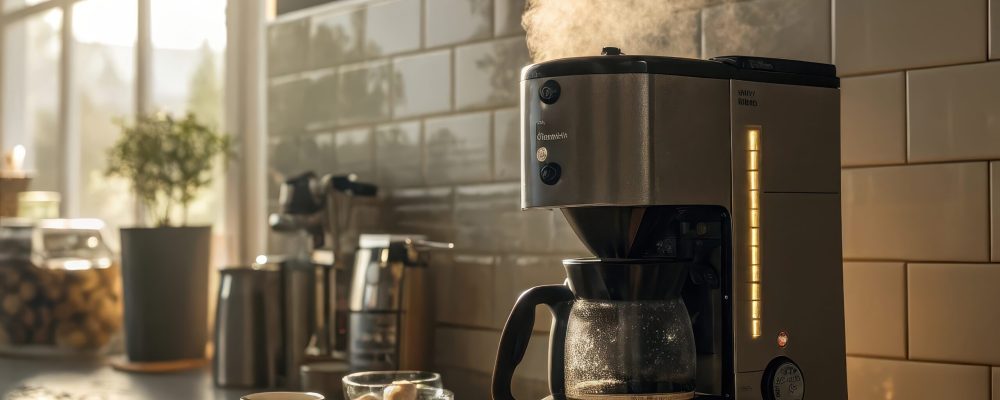

You brew coffee at home.
Good beans. Clean equipment. The right ratio of coffee to water.
But it tastes harsh. Bitter. Unpleasant. Nothing like the smooth, balanced coffee you get at good cafes.
You assume your beans are bad or your equipment isn’t good enough.
Usually, it’s neither of those things.
Bitter coffee is almost always the result of one specific mistake that most people don’t even know they’re making.
A mistake that over-extracts the coffee, pulling out bitter compounds that should stay in the grounds.
Fix this one thing and your coffee transforms—regardless of what beans you’re using or how you’re brewing.
The Water Is Too Hot
This is the most common cause of bitter coffee.
Boiling water—or water just off the boil—extracts too aggressively. It pulls out bitter tannins and harsh compounds along with the desirable flavors.
The ideal water temperature for brewing coffee is 195°F to 205°F. Not boiling. Not close to boiling. Noticeably below boiling.
Chefs and baristas use thermometers or let boiling water cool for 30 to 45 seconds before brewing.
This lower temperature extracts flavor compounds without extracting excessive bitterness.
Home coffee drinkers often pour boiling water directly onto grounds—especially when making pour-over or French press. Or they use drip machines that brew with water that’s too hot.
That excessive heat guarantees bitter coffee, regardless of how good your beans are.
Let boiling water sit for 30 to 45 seconds before brewing. Or better yet, use a thermometer and aim for 200°F.
That temperature adjustment alone will make your coffee dramatically less bitter.
The Coffee Is Ground Too Fine
Grind size determines how quickly water extracts flavor from coffee.
Fine grinds have more surface area. Water extracts from them quickly—often too quickly, pulling out bitter compounds.
Coarse grinds extract more slowly, producing cleaner, less bitter coffee.
The appropriate grind depends on brewing method. French press needs coarse grounds. Drip coffee needs medium. Espresso needs fine.
Baristas match grind size precisely to their brewing method. They know that grinding too fine for your method creates over-extraction and bitterness.
Home coffee drinkers often use pre-ground coffee, which is typically ground too fine for most methods. Or they grind everything to the same fineness regardless of brewing method.
If your coffee is bitter, try grinding coarser. For French press especially, grounds should be quite coarse—almost chunky.
The coarser grind will extract more slowly and produce less bitter coffee.
The Coffee Is Brewing Too Long
Over-extraction doesn’t just come from hot water or fine grinds. It also comes from excessive brew time.
The longer coffee grounds sit in water, the more they extract. Eventually, you’re extracting compounds that taste bitter and astringent.
Each brewing method has an optimal brew time. French press: 4 minutes. Pour-over: 3 to 4 minutes. Drip: 5 to 6 minutes.
Baristas time their brews carefully. They know that even 30 extra seconds can create noticeable bitterness.
Home coffee drinkers often let coffee brew too long—leaving French press to steep for 10 minutes while they do other things, or using drip machines that brew slowly.
Time your brew. Pull French press at 4 minutes, not when you eventually remember it. Make sure your drip machine brews within the appropriate timeframe.
Shorter brew times produce cleaner, less bitter coffee.
The Coffee-to-Water Ratio Is Wrong
Using too much coffee relative to water creates over-extraction.
There’s not enough water to efficiently extract from all those grounds. Some grounds get over-extracted while others stay under-extracted. The result is bitter and unbalanced.
The standard ratio is 1:15 to 1:17—one gram of coffee for every 15 to 17 grams of water. For most people, that’s about 2 tablespoons of coffee per 6 ounces of water.
Baristas weigh both coffee and water precisely. They know exact ratios produce consistent results.
Home coffee drinkers often eyeball everything. Sometimes they use too much coffee, thinking it’ll make stronger coffee. Instead, it makes bitter coffee.
Measure your coffee and water. Use a scale if possible. Consistent ratios produce consistent, balanced flavor.
The Equipment Is Dirty
Old coffee oils and residue build up in brewing equipment over time.
These oils turn rancid. They contribute off-flavors and bitterness to fresh coffee.
Even with perfect brewing technique, dirty equipment produces bitter coffee.
Baristas clean equipment constantly. Coffee makers get cleaned daily. French presses get scrubbed after every use.
Home coffee drinkers often forget to clean equipment thoroughly. They rinse but don’t deep-clean. The residue accumulates.
Clean your coffee maker, French press, or pour-over equipment weekly with a cleaning solution or hot soapy water. Really scrub it. Get rid of all the built-up oils.
Clean equipment makes noticeably better-tasting coffee.
The Coffee Is Stale
Coffee starts losing flavor immediately after roasting. Within a few weeks, it begins tasting flat and bitter—less complex, more harsh.
Stale coffee doesn’t have the balanced flavor compounds that mask bitterness. What’s left is predominantly bitter notes.
Baristas use coffee within two to four weeks of roasting. They know freshness is critical.
Home coffee drinkers often buy coffee in large quantities and use it over months. By the time they reach the bottom of the bag, it’s stale.
Buy smaller quantities. Check roast dates. Use coffee within three to four weeks of roasting.
Fresh coffee tastes smoother and less bitter than stale coffee, even with identical brewing technique.
You’re Using Tap Water with Off Flavors
Coffee is 98% water. If your water tastes bad, your coffee will taste bad.
Chlorine, minerals, and other compounds in tap water contribute off-flavors that combine with coffee to create bitterness.
Baristas use filtered water. They know water quality affects coffee flavor as much as bean quality.
Home coffee drinkers often brew with straight tap water. If that water tastes even slightly off, it’s affecting the coffee.
Use filtered water. Or at least cold tap water, which typically has fewer off-flavors than hot tap water.
Better water produces better-tasting coffee immediately.
The Beans Are Over-Roasted
Dark roasts are inherently more bitter than light or medium roasts.
During roasting, sugars caramelize and eventually burn. Dark roasts have burned compounds that taste bitter.
This isn’t necessarily wrong—some people prefer dark roasts. But if you’re finding coffee too bitter, your beans might be too dark for your preference.
Baristas offer multiple roast levels. They know different roasts suit different tastes.
Home coffee drinkers often buy dark roasts thinking they’re “stronger” or “better.” Then they’re surprised when the coffee tastes bitter.
Try a medium roast. The coffee will be less inherently bitter, making brewing mistakes less noticeable.
You’re Reheating Coffee
Reheating coffee in the microwave or leaving it on a hot plate for extended periods creates bitterness.
The prolonged heat continues extracting compounds from any remaining grounds or oils. It also breaks down flavor compounds into bitter ones.
Baristas brew fresh coffee throughout the day. They don’t reheat. They don’t leave it sitting on heat.
Home coffee drinkers often make a pot in the morning and drink it throughout the day, reheating as needed.
That extended heat exposure creates progressively more bitter coffee.
Brew smaller amounts. Drink it fresh. Don’t reheat. The difference is dramatic.
The Coffee Was Ground Too Far in Advance
Ground coffee loses flavor quickly—within 15 to 20 minutes of grinding.
What’s lost first are the aromatic, pleasant compounds. What remains longer are the bitter compounds.
Pre-ground coffee that’s been sitting for days or weeks is predominantly bitter, having lost most of its nuanced flavors.
Baristas grind coffee immediately before brewing. They know that freshness matters enormously.
Home coffee drinkers often buy pre-ground coffee or grind a week’s worth at once for convenience.
That ground coffee is already stale by the time it’s brewed, producing more bitter coffee.
Grind right before brewing. If you must grind in advance, store in an airtight container and use within a day or two.
Fresh-ground coffee is dramatically less bitter than coffee ground hours or days earlier.
Your Brewing Method Doesn’t Match Your Beans
Some beans are better suited to certain brewing methods.
Espresso roasts work well for espresso but can be too intense and bitter for drip or French press.
Light roasts work beautifully for pour-over but can taste weak and sour in French press.
Baristas match beans to brewing methods. They know that mismatches create unbalanced, often bitter coffee.
Home coffee drinkers often use the same beans for all brewing methods, not realizing that optimization matters.
Ask your roaster which brewing method they recommend for specific beans. Or experiment to see which method produces the best flavor for your favorite beans.
What You Should Do Tomorrow Morning
Let boiling water cool for 30 to 45 seconds before brewing—aim for about 200°F.
Use fresh beans roasted within the past three weeks. Grind right before brewing.
Measure coffee and water—about 2 tablespoons coffee per 6 ounces water.
Match your grind size to your brewing method. When in doubt, go coarser.
Time your brew. Don’t let coffee steep longer than recommended for your method.
Use filtered water if your tap water has off-flavors.
Clean your equipment thoroughly at least once a week.
These changes will reduce bitterness dramatically, regardless of what beans you’re using.
The Takeaway
Bitter coffee isn’t about bad beans or cheap equipment.
It’s about over-extraction—pulling bitter compounds out of coffee grounds through water that’s too hot, grind that’s too fine, or brew time that’s too long.
Cafes serve smooth, balanced coffee because baristas control every variable. Water temperature. Grind size. Brew time. Coffee freshness.
Home coffee drinkers often ignore these factors, using boiling water, stale pre-ground coffee, and random brew times.
But now you know what causes bitterness and how to prevent it.
Water below boiling. Coarser grind. Appropriate brew time. Fresh beans ground right before brewing.
Do that and your coffee finally tastes smooth instead of harsh.
Not just drinkable. Actually enjoyable.
The way good coffee is supposed to taste.














