
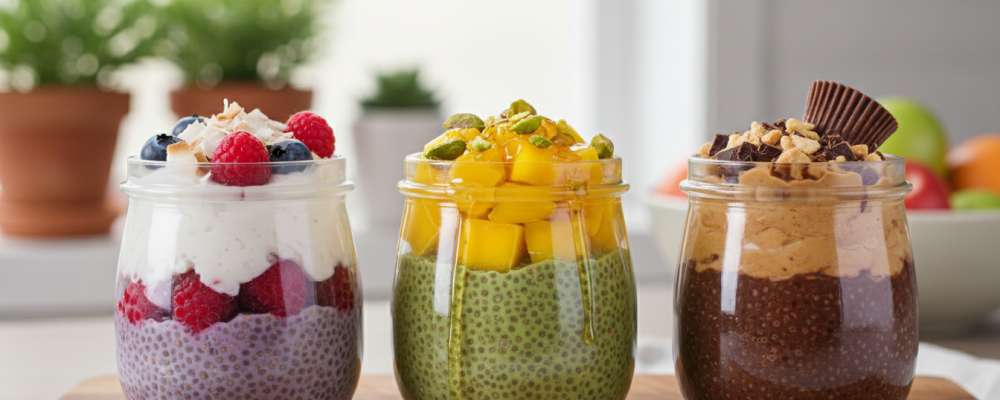

I’ve spent years creating elaborate desserts—multi-layer cakes with mirror glazes, delicate pastries that require precise temperature control, confections that demand patience and technical skill. So trust me when I say that some of the most magical transformations in the kitchen are also the simplest. These chia pudding cups represent that kind of magic: you stir together a handful of ingredients, walk away, and return hours later to find that tiny seeds have transformed themselves into silky, spoonable pudding without any cooking whatsoever.
What delights me about chia pudding is how it occupies this wonderful space between indulgence and virtue. It looks like dessert—especially when you layer it in pretty glass jars and top it with glistening berries and toasted nuts. It tastes like dessert, with that creamy richness and subtle sweetness. But unlike actual dessert, it’s genuinely good for you, packed with protein and fiber and all those omega-3s everyone’s always talking about. It’s breakfast that makes you feel like you’re getting away with something, when really you’re just being very kind to your body.
I started making these during a phase when I was exhausted by my own profession’s complexity. After spending all day piping intricate designs and tempering chocolate to precise temperatures, the last thing I wanted was a breakfast that required technique or timing. I wanted something beautiful and delicious that happened practically by itself. Chia pudding became my answer—a recipe so forgiving that you literally cannot mess it up, yet so visually appealing that it brings genuine joy to opening the refrigerator on a bleary Tuesday morning.
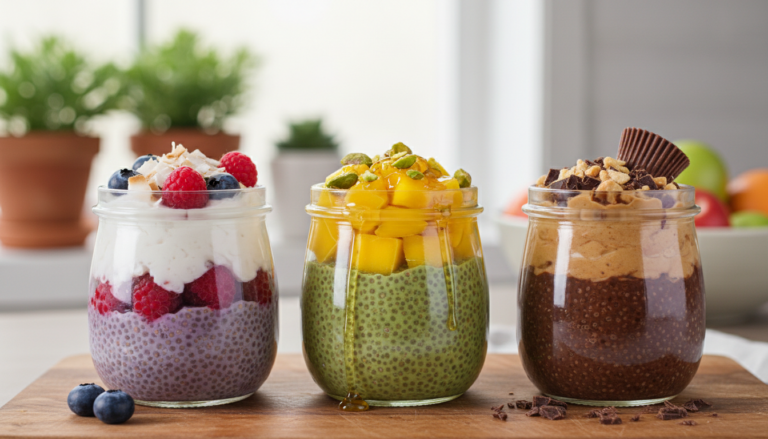
These cups have become my secret weapon for making meal prep feel less like deprivation and more like daily luxury. When your breakfast looks this pretty sitting in your fridge—layers of creamy pudding topped with ruby raspberries and golden almond slivers—it doesn’t feel like you’re eating the same thing every day. It feels like you’re treating yourself to something special, even though your Sunday-self spent maybe five minutes putting it all together.
─────────
The Inspiration Behind This Recipe
This recipe was born from a simple realization: not everything delicious needs to be difficult. As someone who’s built a career on technically challenging pastries, I sometimes forget that transformation doesn’t always require heat or precise timing or specialized equipment. Sometimes transformation just requires patience—and chia seeds possess this almost magical ability to transform themselves when given nothing more than time and liquid.
I discovered chia pudding during a period when I was looking for breakfast options that could compete with the pastries I was constantly surrounded by at work. I needed something that felt indulgent enough to satisfy my dessert-trained palate but wouldn’t leave me in a sugar crash by 10 AM. The first time I stirred chia seeds into almond milk and came back hours later to find pudding, I was genuinely enchanted. It felt like kitchen alchemy—that same sense of wonder I experienced as a culinary student when I first understood how egg whites could be transformed into glossy meringue.
What sealed my devotion was realizing how beautifully chia pudding photographs and presents. In pastry, we talk constantly about “eating with your eyes first”—the importance of visual appeal in creating desire and anticipation. These pudding cups, when properly assembled in clear containers with colorful toppings, have that same visual impact as much more complicated desserts. They’re Instagram-worthy without requiring any of the skill that usually creates Instagram-worthy food. That democratization of beauty—the idea that anyone can create something visually stunning regardless of culinary training—feels important and valuable.
─────────
A Brief History of Chia Seeds and Pudding Preparations
Chia seeds have a fascinating history that stretches back thousands of years to the Aztec and Mayan civilizations, where they were valued as a concentrated source of energy and nutrition. Warriors and runners would carry chia seeds on long journeys, mixing them with water to create a gel-like substance that provided sustained energy—a practice that modern endurance athletes have rediscovered in recent decades.
However, the contemporary chia pudding phenomenon—where chia is transformed into a creamy, dessert-like breakfast—is distinctly modern, emerging in the 2010s alongside the broader health food movement. As wellness-focused eaters sought alternatives to traditional grain-based breakfasts, chia pudding gained traction as a naturally gluten-free, protein-rich, and visually appealing option that required no cooking skill. Food bloggers and health influencers popularized the concept, sharing endless variations that transformed this ancient superfood into a customizable breakfast canvas.
What makes chia pudding particularly suited to our current food culture is how it bridges multiple desires simultaneously: it’s healthy enough to satisfy wellness goals, beautiful enough to share on social media, convenient enough for busy mornings, and indulgent enough to feel like a treat rather than a compromise. The pudding format also cleverly reimagines dessert as breakfast—a psychological shift that makes healthy eating feel less restrictive. You’re not giving up dessert; you’re just having it at 7 AM instead of 7 PM.
─────────
Why This No-Cook Method Works for Meal Prep
The science behind chia pudding is surprisingly fascinating. Chia seeds are hydrophilic, meaning they can absorb up to 12 times their weight in liquid. When immersed in almond milk, the seeds’ outer coating—which contains soluble fiber—begins to absorb the liquid and form a gel-like layer around each seed. This process, called hydration or gelation, happens through osmosis as water molecules move from the high-concentration liquid into the lower-concentration seed interior.
This gel formation creates the pudding’s characteristic texture: creamy and spoonable rather than liquid, with individual seeds suspended throughout providing subtle textural interest—tiny little pops of variation in an otherwise smooth matrix. The process takes time because the liquid must gradually penetrate the seed coating and work its way into the seed’s core. The minimum two-hour soak allows for basic hydration, but overnight soaking (8-12 hours) creates superior texture as the seeds reach full saturation and the gel becomes more stable and uniform.
From a meal prep perspective, this time-dependent transformation is actually advantageous. Unlike cooked preparations that peak at a specific moment and then decline, chia pudding remains stable and even improves slightly over the first 24-48 hours. The flavors—vanilla, honey, and the subtle nuttiness of the seeds themselves—have time to meld and integrate. The texture becomes more uniform as any remaining dry spots fully hydrate. This means your day-three pudding actually tastes better than your day-one pudding, which is the opposite of most meal prep items.
The choice of almond milk over dairy milk is strategic for meal prep purposes. Plant-based milks generally have longer shelf life once opened, and they don’t develop the same off-flavors that can occur when dairy-based puddings sit for multiple days. The almond milk’s slight natural sweetness complements the honey without creating cloying sweetness, and its neutral flavor allows the vanilla to shine rather than competing with it. Additionally, plant-based preparations avoid the separation issues that can sometimes occur with dairy products after extended refrigeration.
─────────
Flavor Profile: What to Expect
These chia pudding cups deliver a gently sweet, sophisticated breakfast experience that feels more dessert than health food:
- Creamy and silky from fully hydrated chia seeds suspended in almond milk, creating a luxurious, spoonable texture
- Subtly sweet from honey or maple syrup that enhances rather than overwhelms, letting other flavors shine through
- Warm and aromatic from vanilla extract that adds comforting, familiar sweetness and makes the kitchen smell wonderful
- Fresh and bright from whatever berries you choose—strawberries add jammy sweetness, blueberries contribute slight tartness, raspberries bring floral notes
- Nutty and crunchy from chopped almonds, walnuts, or pecans that provide essential textural contrast to the smooth pudding
- Subtly earthy from the chia seeds themselves, which have a mild, pleasant flavor reminiscent of poppy seeds or very mild nuts
The overall impression is of a breakfast that tastes indulgent and intentional—like someone went to actual effort to make something special—when in reality it required almost no work at all. The vanilla and honey create a flavor foundation that’s comforting and familiar, while the fresh berries add brightness that prevents the pudding from tasting flat or one-dimensional.
Over the course of several days in the refrigerator, the vanilla flavor actually becomes more pronounced as it continues to infuse the pudding. The honey’s sweetness distributes more evenly, and if you’ve added the berries directly to the pudding rather than keeping them separate, they’ll release some of their juices and create beautiful marbled patterns throughout. Some people prefer this aged version to the freshly made pudding because the flavors feel more integrated and harmonious rather than existing as separate components.
─────────
Tips for Making the Best Chia Pudding Cups
Even though this recipe is nearly foolproof, small refinements elevate it from good to genuinely crave-worthy:
- Whisk vigorously at the start: Spend a full 30-60 seconds stirring the chia seeds into the almond milk. Chia seeds want to clump together, and those initial moments of mixing determine whether you get smooth pudding or pudding with gelatinous lumps.
- Stir again after 10 minutes: After the initial mix, let the pudding sit for 10 minutes, then stir vigorously again. This second stir breaks up any clumps that formed during the initial hydration phase and ensures even texture throughout.
- Use the right ratio: The standard 4:1 liquid-to-chia ratio (¼ cup chia seeds per 1 cup almond milk) creates classic pudding consistency. More chia makes it thicker and more gel-like; less makes it soupy. Adjust based on preference after making it once.
- Choose quality vanilla extract: Since there are so few ingredients, each one matters. Pure vanilla extract creates depth and complexity that imitation vanilla simply cannot match. This is not the place to economize.
- Taste and adjust sweetness: Different honeys and maple syrups vary significantly in sweetness. Start with less sweetener than you think you need—you can always stir in more after the pudding sets, but you can’t remove excess sweetness.
- Add toppings just before eating: Keep berries and nuts separate during storage. Berries release moisture and can make the pudding watery if added too far in advance. Nuts lose their crunch if they sit in pudding for days. Top each cup just before eating for optimal texture and visual appeal.
- Use clear containers for maximum impact: Part of chia pudding’s appeal is its visual beauty. Store it in clear glass jars or cups so you can see those gorgeous layers and feel excited about eating it when you open the fridge.
- Toast your nuts: Take three minutes to toast whatever nuts you’re using in a dry skillet. This intensifies their flavor and creates additional crunch—a small step that makes a noticeable difference.
- Experiment with layers: For extra visual drama, create layers by alternating pudding with berries or by making two different pudding flavors (maybe vanilla and chocolate) and layering them in the same jar.
The single most important factor is adequate mixing at the beginning. Those first 60 seconds of vigorous stirring determine whether you end up with smooth, professional-looking pudding or something that resembles frog eggs in milk. Don’t be gentle—really work that whisk.
─────────
Portioning and Container Suggestions
This recipe yields four generous breakfast portions, each providing approximately 6-8 grams of protein from the chia seeds and almond milk before you add nuts (which contribute additional protein). Each portion should be about ¾ to 1 cup of pudding—substantial enough to satisfy without feeling overly heavy, which is particularly important for a breakfast that’s consumed cold.
For presentation and practicality, I’m deeply devoted to 8-ounce wide-mouth mason jars for chia pudding storage. The clear glass shows off the pudding’s creamy texture and allows you to see exactly what’s waiting for you in the refrigerator—important for maintaining meal prep enthusiasm on day four. The wide mouth makes eating directly from the jar comfortable and allows room for generous toppings without overflow. Mason jars also stack beautifully, maximizing refrigerator space efficiency.
If you prefer a more elegant presentation or plan to bring these to work, small glass dessert cups or parfait glasses work beautifully. Layer the pudding, then add berries and nuts in visually appealing arrangements—maybe berries on one half, nuts on the other, creating that professional bistro aesthetic. For travel, choose containers with secure lids that won’t leak in a bag. Small Ball jars with metal lids are remarkably leakproof and have never failed me in a work bag.
For those who want to maximize variety without making multiple batches, consider dividing your prepared pudding base into four containers but varying the toppings for each day. Monday gets strawberries and almonds, Tuesday gets blueberries and pecans, Wednesday gets raspberries and pistachios, Thursday gets mixed berries and granola. The base stays consistent, preventing the boredom that sometimes derails meal prep, while the rotating toppings create visual and flavor variety that keeps things interesting.
─────────
Storage, Reheating, and Shelf Life Tips
- Refrigerator storage: Chia pudding maintains excellent quality for 5 days when stored in airtight containers at 40°F or below. Some sources suggest it lasts up to a week, but optimal texture and flavor peak around day 4-5.
- No reheating necessary: This is designed to be eaten cold, straight from the refrigerator. The cold temperature actually enhances the refreshing quality, especially during warmer months.
- Store components separately: Keep the pudding base, berries, and nuts in separate containers if possible. Assemble just before eating for maximum freshness and textural contrast. If you must store toppings with the pudding, add them no more than 24 hours in advance.
- Freezing not recommended: Chia pudding does not freeze well. The texture becomes grainy and separated when thawed, and the gel structure breaks down, creating an unappetizing watery layer. This is strictly a refrigerator storage recipe.
- Texture evolution: The pudding will continue to thicken slightly over the first 24 hours as the chia seeds reach maximum hydration. If it becomes too thick for your preference, stir in a tablespoon or two of additional almond milk to thin it back to your desired consistency.
- Berry freshness strategy: For maximum berry freshness throughout the week, buy berries at different ripeness stages or add fresh berries only to the first 2-3 cups, then purchase fresh berries midweek for the remaining cups.
- Prevent separation: Sometimes a small amount of liquid will separate and pool on top of the pudding after extended storage. This is normal—simply stir it back in before eating.
- Flavor infusion method: For more intense flavor, you can infuse the almond milk with additional elements before mixing in the chia. Try warming the almond milk with cinnamon sticks, then cooling and straining before using. Or add a tablespoon of cocoa powder for chocolate chia pudding.
- Quality indicators: Fresh chia pudding smells mildly sweet with notes of vanilla. If it develops any sour or off odors, or if you see any mold growth (extremely rare within 5 days), discard it.
─────────
Why This Recipe Deserves a Spot in Your Meal Prep Rotation
As someone who’s dedicated her professional life to creating beautiful, delicious desserts, I can tell you that the highest form of culinary achievement isn’t complexity—it’s creating something that brings genuine joy with minimal effort. These chia pudding cups represent that philosophy perfectly. They require approximately five minutes of active work to create four days of breakfasts that look stunning, taste indulgent, and genuinely nourish your body. That efficiency-to-delight ratio is almost impossible to beat.
Beyond the practical time savings, there’s psychological value in starting your day with something beautiful. We underestimate how much our environment and the visual presentation of our food affects our mood and our choices throughout the day. When your breakfast looks like it could be served at a boutique café—creamy pudding in a pretty jar, topped with jewel-toned berries and golden nut pieces—it sets a different tone for your morning than grabbing a protein bar while running out the door. It’s a small act of self-care that signals to yourself that you’re worth a few moments of beauty and intention.
From a nutritional standpoint, these cups deliver substantial benefits that extend beyond the meal itself. The combination of protein, healthy fats, and fiber creates sustained energy release that prevents the mid-morning crash so common with carbohydrate-heavy breakfasts. The omega-3 fatty acids in chia seeds support brain function and reduce inflammation. The fiber aids digestion and promotes that comfortable feeling of fullness that makes it easier to make good choices at lunch rather than arriving ravenous and making impulsive decisions.
But perhaps most valuable is how these pudding cups make healthy eating feel like a pleasure rather than a discipline. When your meal prep includes something that genuinely tastes like dessert and looks like a treat, you’re far less likely to feel deprived or restricted—feelings that so often lead to abandoning healthy eating patterns entirely. These cups prove that nutritious and delicious aren’t opposing forces; they can exist beautifully in the same jar, making you look forward to breakfast rather than just tolerating it as a nutritional necessity.
─────────
Meal Prep Pairing Suggestions
While these chia pudding cups work wonderfully as standalone breakfasts, they integrate seamlessly into a comprehensive breakfast meal prep strategy that prevents morning monotony. Pair them with the Overnight Oats for a week of no-cook breakfast options—some mornings you might crave the pudding’s lighter, slightly more indulgent feel, while other mornings the oats’ heartier, more substantial nature sounds more appealing. Having both options prepped means you can choose based on your hunger level, mood, or simply which sounds better when you’re staring into the refrigerator at 6:30 AM.
For those who want more variety between sweet and savory, the Breakfast Burritos provide the perfect counterpoint. Alternate cold, sweet breakfast cups with warm, savory burritos throughout the week—Monday and Wednesday get pudding cups, Tuesday and Thursday get burritos, Friday you choose based on what sounds better. This alternating pattern prevents you from getting tired of either option while ensuring you always have breakfast handled regardless of what you’re craving.
These pudding cups also function brilliantly as afternoon snacks or even as a light, guilt-free dessert when you want something sweet after dinner. Their portion-controlled format makes them perfect for preventing the “just one more bite” mentality that can derail dessert portions. When you’ve got these pretty cups waiting in the refrigerator, you don’t need to keep ice cream or cookies around—you have something that satisfies the dessert craving while actually supporting your nutritional goals rather than undermining them.
For a complete breakfast spread that covers the entire household’s varying preferences, consider preparing chia pudding cups alongside the Tuna Salad Cucumber Bites (for people who prefer savory breakfast or need a protein-rich morning snack) and fresh fruit portions. This creates a breakfast bar situation where everyone can choose what appeals to them on any given morning, but everything is already prepared and ready—no one’s cooking individually, no one’s making separate trips to the drive-through, and everyone’s getting nutritious options that they actually want to eat.
Chia Pudding Cups
This chia pudding cups recipe transforms tiny seeds into creamy, protein-rich breakfast magic that’s ready when you wake up—no cooking required, just pure make-ahead convenience.
4
servings30
minutes40
minutes300
kcal1
hour10
minutesIngredients
1/2 cup chia seeds
2 cups almond milk
1 teaspoon vanilla extract
2 tablespoons honey or maple syrup
1/2 cup fresh berries
1/4 cup chopped nuts
Directions
- In a medium-sized bowl, combine the chia seeds and almond milk, stirring thoroughly to ensure the seeds are evenly distributed and not clumped together.
- Add in the vanilla extract and honey (or maple syrup), stirring again to mix everything evenly throughout the mixture.
- Cover the bowl with a lid or plastic wrap and refrigerate for at least 2 hours or overnight to allow the chia seeds to absorb the liquid and thicken into a pudding-like consistency.
- Once the pudding is set, give it another good stir to break up any clumps and ensure a smooth texture before serving.
- Divide the chia pudding evenly into four cups or bowls and top with fresh berries and chopped nuts for added flavor and texture.
Nutrition Facts
- Total number of serves: 4
- Calories: 200kcal
- Cholesterol: 0mg
- Sodium: 620mg
- Potassium: 400mg
- Sugar: 8g
- Protein: 6g
- Calcium: 60mg
- Iron: 2mg
About This Author

Aurora Wright
Pastry Chef & Dessert Editor
Aurora is the sweet side of Daily Dish. A trained pastry chef and dessert stylist, she’s responsible for our mouth-watering cakes, cookies, and confections. She brings precision, artistry, and a touch of whimsy to every recipe she creates — and taste-tests more chocolate than she’ll admit.
Favorite dish: Flourless dark chocolate torte.
Kitchen motto: “Life’s too short to skip dessert.”















