
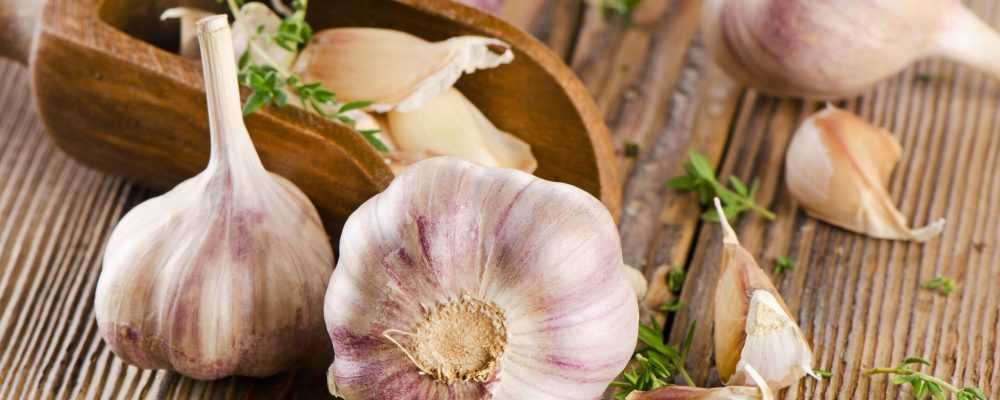

Garlic is everywhere.
Italian food. Asian food. Mediterranean food. Latin American food. It’s one of the few ingredients that crosses nearly every culinary border.
But most people cook it wrong.
Not catastrophically wrong. Just wrong enough that they’re missing out on what garlic can actually do—and wondering why restaurant dishes have a depth of flavor they can’t seem to replicate at home.
The difference comes down to understanding one simple truth: garlic isn’t one flavor. It’s several. And which one you get depends entirely on how you treat it.
Raw Garlic Is Aggressive
Bite into a raw clove and your mouth burns.
That’s allicin—a compound that forms when garlic’s cell walls break. It’s sharp, pungent, almost spicy. It’s also what gives garlic its antimicrobial properties and distinct bite.
Raw garlic works in dishes where you want that punch. Aioli. Pesto. Salsa verde. Anything where the intensity is the point.
But in most cooked dishes, that aggressive edge is exactly what you don’t want.
Cooking Garlic Transforms It Completely
Heat changes garlic on a chemical level.
Those harsh sulfur compounds that make raw garlic so sharp? They break down and mellow. New compounds form—ones that are sweet, nutty, almost caramel-like.
The longer and gentler the cooking, the deeper that transformation goes.
That’s why roasted garlic tastes nothing like raw garlic. It’s technically the same ingredient, but the flavor profile is so different they might as well be two separate things.
The Biggest Mistake Most People Make
Here’s where home cooks run into trouble: they add garlic at the wrong time.
They heat oil, throw in garlic, and let it sit there while they prep other ingredients. By the time everything else goes in the pan, the garlic is dark, bitter, and burnt.
Or they add it too early in a long braise, and it disintegrates into nothingness—all aroma, no flavor left behind.
Chefs think about garlic in stages. When it goes in matters just as much as how much you use.
The Timing Rule Professional Kitchens Follow
In most restaurant kitchens, garlic goes in after the onions have softened but before the liquid is added.
It gets maybe 30 seconds to a minute in the pan—just long enough to become fragrant and lose its raw edge, but not long enough to brown or burn.
That window is small. Miss it, and the whole dish suffers.
Some dishes want garlic added even later—stirred in at the very end for a fresher, more pronounced flavor. Thai stir-fries do this. So do some Italian pasta sauces.
The point is, garlic isn’t a “throw it in and forget it” ingredient. It requires attention.
Size Matters More Than You Think
Mince garlic finely and it releases more of those pungent compounds. It cooks faster. It burns easier. The flavor is sharp and immediate.
Slice it thickly and it stays milder. It takes longer to cook. It has a gentler, more gradual presence in the dish.
Smash a whole clove with the side of a knife and you get something in between—enough surface area to release flavor, but not so much that it overwhelms.
Chefs choose the cut based on what they want the garlic to do. Home cooks often just mince everything and wonder why it tastes so aggressive.
Oil Is Garlic’s Best Friend
Garlic’s flavor compounds are fat-soluble, which means they infuse into oil beautifully.
That’s why so many recipes start by cooking garlic in oil. You’re not just cooking the garlic—you’re flavoring the oil, which then flavors everything else that goes in the pan.
But here’s the trick: you can also do this gently, on low heat, for several minutes. The garlic barely colors, but the oil becomes intensely garlicky.
This technique shows up everywhere. Chinese scallion oil. Spanish garlic shrimp. Italian aglio e olio.
The garlic itself almost disappears, but its essence is everywhere.
When Garlic Burns, Everything Suffers
Burnt garlic is bitter. Acrid. It poisons the whole dish.
And it burns fast—much faster than onions or other aromatics.
That’s why chefs never walk away from a pan with garlic in it. They stay close. They keep the heat moderate. They stir constantly.
If garlic does burn, many chefs will actually start over rather than try to salvage it. That’s how much it affects the final dish.
Some Dishes Want Garlic in Multiple Forms
Ever notice how some restaurant dishes have layers of garlic flavor—mild sweetness in the background, a sharper note up front, a fresh burst at the end?
That’s not one addition of garlic. It’s three.
Whole cloves roasted with vegetables. Minced garlic sautéed in oil. Raw garlic grated into a finishing sauce.
Each form contributes something different, and together they create complexity that a single addition never could.
Fresh Garlic Isn’t Always Better
Sometimes jarred minced garlic or garlic powder is actually the right choice.
Not because it tastes better—it doesn’t. But because it behaves differently.
Garlic powder distributes more evenly in dry rubs. Jarred garlic doesn’t burn as easily in long-cooked sauces.
Professional chefs keep both fresh and processed garlic on hand, using whichever is better suited to the dish.
What You Can Do Right Now
Next time you cook with garlic, pay attention to timing.
Add it later than you usually would. Watch it closely. Pull it off the heat the moment it becomes fragrant and just barely starts to color.
Taste the difference that makes.
Try the same dish with finely minced garlic versus sliced garlic. Notice how the flavor changes.
Cook garlic slowly in oil on low heat for five minutes. Taste that oil. Understand what you’ve created.
These small experiments will teach you more about garlic than any recipe ever could.
The Takeaway
Garlic isn’t one ingredient with one flavor.
It’s a spectrum—from harsh and raw to sweet and mellow—and where you land on that spectrum depends entirely on how you cook it.
Most home cooks treat garlic like a checkbox on a recipe. Chefs treat it like a tool with multiple settings.
Once you understand the difference, your food doesn’t just taste more garlicky.
It tastes more intentional.
More layered.
More like it came from a kitchen that knows what it’s doing.














