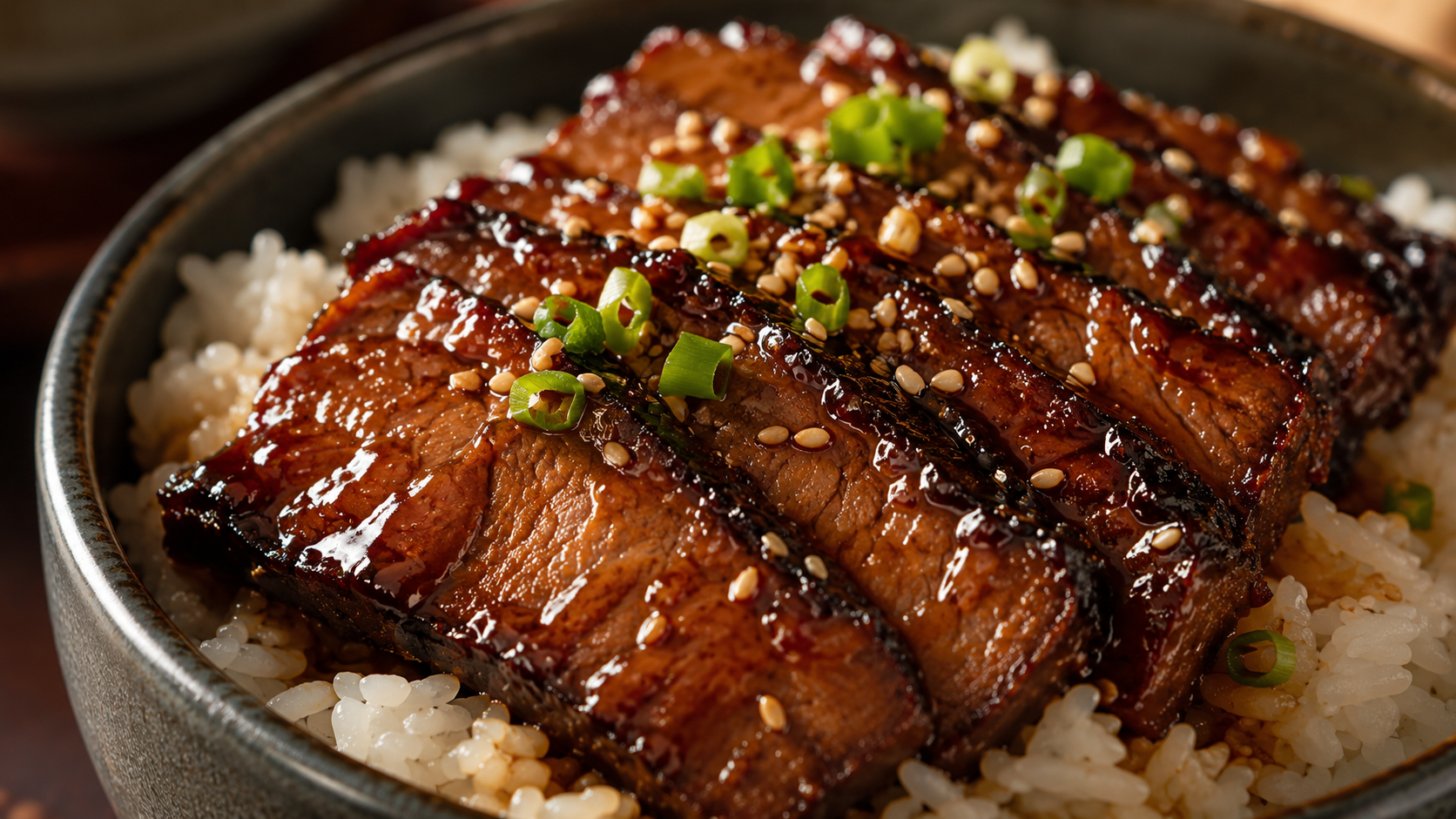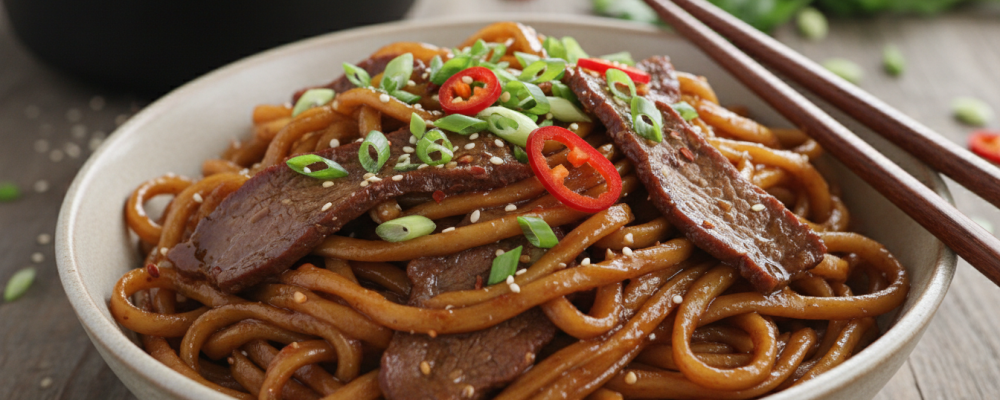

There’s something deeply satisfying about a bowl of noodles that cling to a glossy, savory-sweet sauce, and these Sticky Beef Noodles deliver exactly that experience. This dish represents everything I love about Asian noodle cooking—bold flavors, contrasting textures, and techniques that transform simple ingredients into something extraordinary. The sauce caramelizes slightly as it reduces, coating each strand of noodle and piece of beef in that signature sticky glaze that makes you reach for one more bite.
I developed this recipe after countless experiments trying to recreate the texture and flavor of my favorite noodle dishes from Chinese and Thai restaurants. The key breakthrough came when I realized that the order of operations matters tremendously—searing the beef first develops crucial flavor through the Maillard reaction, while adding the noodles at just the right moment allows them to absorb the sauce without becoming mushy. The balance of soy sauce, oyster sauce, and sugar creates that perfect sweet-savory profile that defines great Asian cooking.
What makes this recipe particularly valuable is its speed and adaptability. From start to finish, you’re looking at maybe 20 minutes of active cooking time, yet the results taste like something that required far more effort. The technique is straightforward enough for weeknight cooking but impressive enough that you could serve it to guests without hesitation.
─────────
The Inspiration Behind This Recipe
This dish emerged from studying the principles behind classic Chinese stir-fried noodles and Thai pad see ew—dishes that achieve incredible depth of flavor through proper wok technique and sauce composition. While traditional versions often require specialized equipment like a high-BTU wok burner, I wanted to develop a method that home cooks could execute successfully with a standard stovetop and large pan.
The “sticky” quality comes from the combination of oyster sauce (which has natural body and umami) and sugar (which caramelizes slightly in the hot pan), creating a glaze that coats rather than pools. Getting this texture right required testing different ratios and cooking times until I found the sweet spot where the sauce reduces just enough to cling without becoming gummy.
The technique draws from both Cantonese and Thai noodle traditions, creating a hybrid that captures the best elements of each approach while remaining accessible to American home kitchens.
─────────
A Brief History of Asian Noodle Dishes
Stir-fried noodles have been central to Asian cuisine for centuries, with each region developing distinctive styles and flavor profiles. In China, noodle dishes evolved as quick, satisfying meals that could be prepared in a wok over high heat, maximizing flavor while minimizing fuel consumption—crucial in traditional kitchens.
Rice noodles specifically became popular throughout Southeast Asia, where rice was abundant and wheat less so. The flat rice noodles used in dishes like pad see ew and char kway teow became beloved for their ability to absorb sauces while maintaining a pleasant chew. Chinese immigrants brought these noodle techniques wherever they settled, leading to fusion dishes that incorporated local ingredients and preferences.
These Sticky Beef Noodles represent that culinary evolution—honoring traditional techniques while adapting them for modern home cooking with readily available ingredients.
─────────
Why This Cooking Method Works
High heat is essential for achieving the characteristic “wok hei” or breath of the wok—that slightly smoky, caramelized flavor that distinguishes restaurant stir-fries. While home stoves can’t quite match commercial wok burners, using a large pan over high heat and working quickly gets you surprisingly close to those professional results.
Searing the beef first creates a flavorful crust and develops fond in the pan that adds depth to the entire dish. The aromatics (garlic and ginger) go in next because they need just enough time to release their flavors without burning. Adding the sauce components before the noodles allows them to reduce slightly and concentrate, creating that sticky coating.
Soaking the rice noodles separately rather than cooking them in the sauce gives you better control over their texture—they finish cooking in the pan while absorbing flavor, but they don’t become waterlogged or mushy.
─────────
Flavor Profile: What to Expect
This dish delivers a complex, satisfying taste experience:
- Savory-sweet balance from the combination of soy sauce, oyster sauce, and sugar
- Deep umami richness that coats your palate
- Aromatic complexity from fresh garlic and ginger
- Tender, caramelized beef with slightly crispy edges
- Silky, chewy noodles that provide textural satisfaction
- Fresh, sharp contrast from spring onions
- Subtle heat from red chili that builds gradually
The result is a dish that hits multiple flavor notes while maintaining harmony—nothing overwhelms, everything contributes.
─────────
Tips for Making the Best Sticky Beef Noodles
Technical precision elevates this dish from good to exceptional:
- Slice beef thinly against the grain: This ensures tenderness—freeze beef for 15 minutes before slicing for cleaner cuts.
- Don’t oversoak noodles: They should be pliable but still firm—they’ll finish cooking in the pan.
- Work quickly once cooking starts: Have all ingredients prepped and ready before you turn on the heat.
- Use high heat: This is crucial for proper browning and that characteristic wok flavor.
- Don’t overcrowd the pan: Cook beef in batches if necessary to maintain high heat and achieve proper searing.
- Toss constantly: Keep noodles moving to prevent sticking and ensure even coating.
For extra richness, you can add a pat of butter at the very end—a restaurant trick that adds glossiness and rounds out the flavors.
─────────
Serving Suggestions and Side Pairings
These noodles are substantial enough to serve as a complete meal, but pair beautifully with complementary dishes:
- Simple cucumber salad with rice vinegar for cooling contrast
- Steamed or stir-fried bok choy
- Spring rolls or dumplings as appetizers
- Asian slaw with sesame dressing
- Crispy tofu for added protein
The dish is also excellent as part of a larger Asian-inspired spread for entertaining, where multiple dishes can be shared family-style.
─────────
Storage, Reheating, and Make-Ahead Tips
While best enjoyed fresh, these noodles store reasonably well:
- Refrigerate leftovers in an airtight container for up to 3 days
- Reheat in a large pan over medium-high heat with a splash of water or broth to loosen the sauce
- Avoid microwaving if possible, as it can make noodles gummy
- Prep ingredients by slicing beef and chopping aromatics up to 24 hours ahead
The sauce components can be mixed together ahead of time and stored refrigerated for up to a week, making final cooking even faster when you’re ready to eat.
─────────
Why This Recipe Deserves a Spot in Your Rotation
These Sticky Beef Noodles prove that restaurant-quality Asian cooking is achievable at home without specialized equipment or hard-to-find ingredients. They deliver bold, complex flavors in the time it takes to order and pick up takeout, and the technique is versatile enough to adapt for different proteins or vegetables based on what you have available. It’s the kind of recipe that impresses guests while remaining practical enough for regular weeknight rotation.
Once you’ve mastered this basic technique, you’ll find yourself experimenting with different sauces and ingredients, making it a true gateway recipe to home wok cooking.
─────────
Recommended Drink Pairing
The rich, savory-sweet flavors of these noodles pair wonderfully with drinks that offer refreshing contrast. A crisp lager or pilsner cuts through the richness beautifully. For wine, try a dry Riesling or Gewürztraminer that provides aromatic complexity without competing with the bold sauce.
For non-alcoholic options, jasmine tea (hot or iced) complements the Asian flavors perfectly, while sparkling water with lime provides palate-cleansing refreshment between bites.
Sticky Beef Noodles
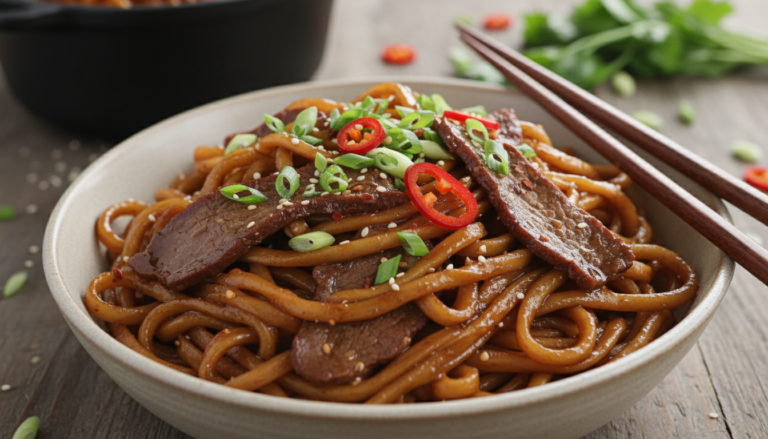
Sticky Beef Noodles feature tender beef strips and rice noodles tossed in a glossy savory-sweet sauce with garlic, ginger, and a hint of heat.
4
servings15
minutes15
minutes450
kcal30
minutesIngredients
300 grams beef strips
200 grams rice noodles
2 tablespoons soy sauce
2 tablespoons oyster sauce
1 tablespoon sesame oil
1 teaspoon sugar
1 teaspoon minced garlic
1 teaspoon grated ginger
1 cup vegetable broth
2 spring onions, sliced
1 red chili, sliced
Directions
- Soak the rice noodles in hot water for about 5 minutes until they are just softened, then drain and set aside.
- Heat the sesame oil in a large pan over medium-high heat, then add the beef strips and cook until browned.
- Add the minced garlic and grated ginger to the pan with the beef and sauté for about 1 minute until fragrant.
- Pour in the soy sauce, oyster sauce, sugar, and vegetable broth, stir well to combine all ingredients with the beef.
- Add the soaked noodles to the pan, tossing well to ensure they are coated in the sticky sauce, then cook for another 3 minutes.
- Stir in the sliced spring onions and red chili, then cook for another minute to soften slightly before serving.
Nutrition Facts
- Total number of serves: 4
- Calories: 450kcal
- Cholesterol: 0mg
- Sodium: 620mg
- Potassium: 400mg
- Sugar: 8g
- Protein: 6g
- Calcium: 60mg
- Iron: 2mg
About This Author

Benjamin Brown
Recipe Developer
Benjamin is our flavor engineer. A classically trained chef turned recipe developer, he’s obsessed with balancing taste, texture, and creativity. He ensures that every recipe we publish is not only delicious but also reliable, approachable, and repeatable — even for beginners.
Favorite dish: Slow-braised short ribs with red wine reduction.
Kitchen motto: “Cooking is part science, part soul.”