Daily Dish

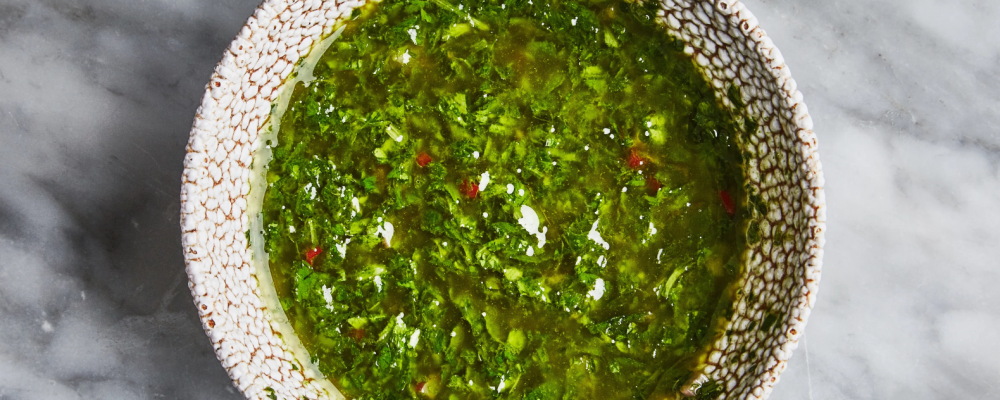
Zesty Chimichurri Sauce

Healthy Fact of the Day

Chimichurri sauce is not only delicious but also packed with health benefits. Parsley and cilantro are rich in antioxidants and vitamins, while garlic and onion have anti-inflammatory and immune-boosting properties. The olive oil in the sauce provides heart-healthy monounsaturated fats, making chimichurri a nutritious addition to your meals.

Ingredients


  • 1 cup fresh parsley leaves, tightly packed
  • 1/2 cup fresh cilantro leaves, tightly packed
  • 4 garlic cloves, minced
  • 1 small red onion, finely chopped
  • 1 small red chili pepper, seeded and finely chopped (optional)
  • 1/2 cup extra-virgin olive oil
  • 1/4 cup red wine vinegar
  • 1 tbsp dried oregano
  • 1 tsp salt
  • 1/2 tsp freshly ground black pepper


Instructions

  1. In a food processor or blender, combine the parsley, cilantro, garlic, red onion, and red chili pepper (if using). Pulse until the herbs and vegetables are finely chopped.

  2. Transfer the herb mixture to a medium bowl and stir in the olive oil, red wine vinegar, dried oregano, salt, and black pepper. Mix well until all ingredients are evenly combined.

  3. Let the chimichurri sauce sit at room temperature for at least 30 minutes before serving to allow the flavors to meld together. Alternatively, you can refrigerate the sauce for up to 24 hours to intensify the flavors.

  4. Before serving, give the chimichurri sauce a quick stir and taste it, adjusting the seasoning if needed.

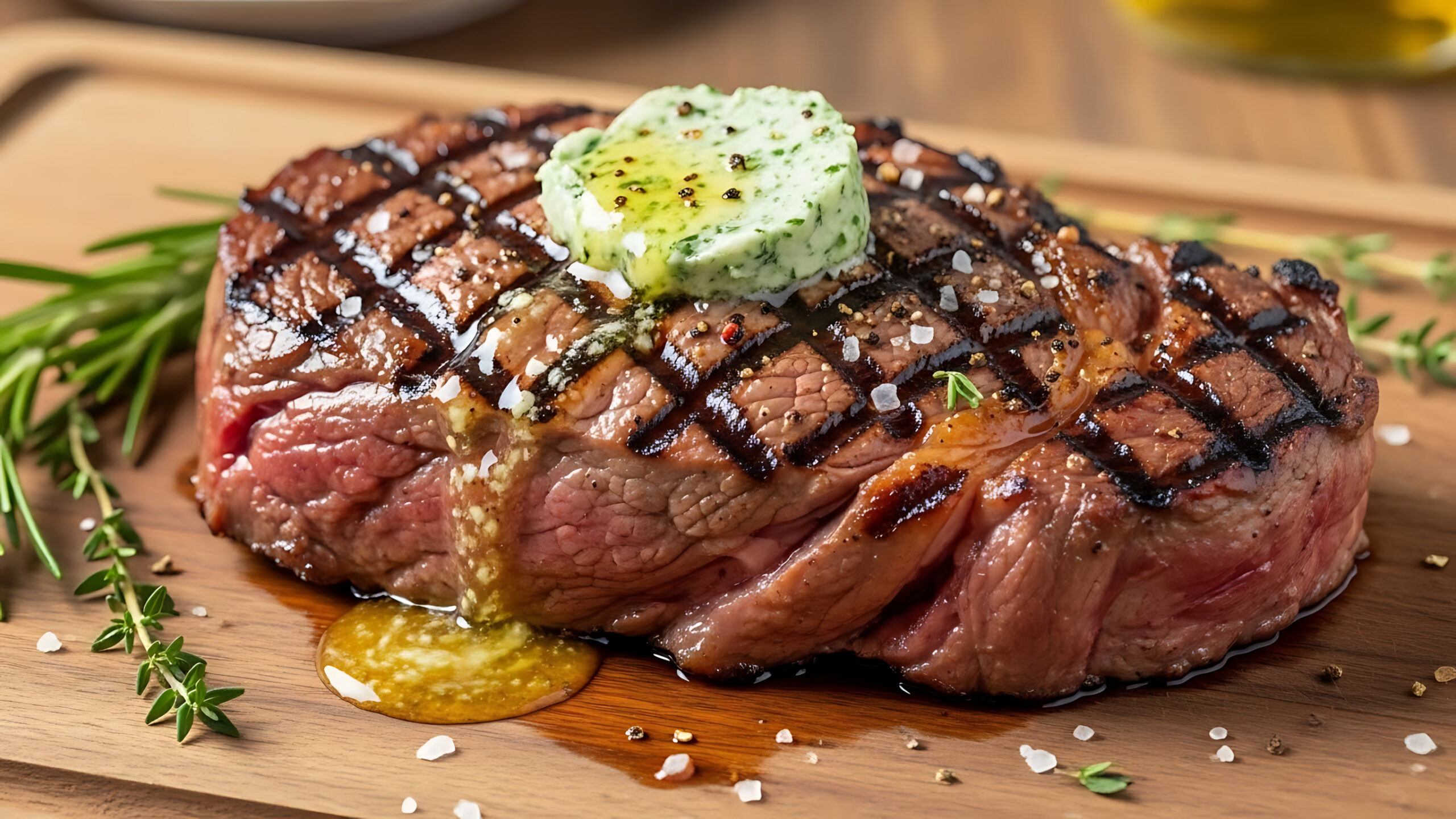
  5. Serve the zesty chimichurri sauce alongside grilled meats, roasted vegetables, or as a flavorful condiment for sandwiches and wraps.

Drizzle this vibrant chimichurri sauce over your favorite dishes and let its zesty, herbaceous flavors dance on your tongue, transporting you to the lively streets of Buenos Aires with every delectable bite!

Recent Recipes

Papa Murphy’s Just Added a New Meaty

  • May 20, 2026
  • 2 min read

Baked Sage Chicken Meatballs with Parmesan Orzo

  • May 20, 2026
  • 12 min read

The Lost Vegetables Most Home Cooks Have

  • May 20, 2026
  • 9 min read

Curry Chicken Salad

  • May 20, 2026
  • 8 min read

Aldi’s Biggest Drop of the Month Hits

  • May 19, 2026
  • 4 min read

Chili Lime Steak Tacos

  • May 19, 2026
  • 9 min read

The Foods That Taste Better the Next

  • May 19, 2026
  • 8 min read

Creamy Garlic Parmesan Shrimp Roll Ups

  • May 19, 2026
  • 8 min read

Sonic Just Dropped Four Frozen Refreshers Today

  • May 18, 2026
  • 4 min read

Honey Butter Popcorn

  • May 18, 2026
  • 11 min read

Tip of the Day

“Always let your meat rest before slicing.”

Whether you're roasting a chicken, grilling steak, or baking pork tenderloin, letting cooked meat rest for 5–10 minutes before slicing allows the juices to redistribute evenly. This simple step keeps your meat juicy and tender, ensuring every bite is flavorful and moist. Bonus: It gives you a moment to plate your sides or garnish for a perfect presentation!

Our Latest Recipes

Blog
Daily Disher

Papa Murphy’s Just Added a New Meaty Italian Pizza — And It’s Only Here Through June 7

Take-and-bake pizza is a great weeknight option because you control when it goes in the oven — meaning no waiting around for delivery and no temptation to eat when it’s still too hot. To lighten up a meaty pizza like this one, opting for Thin Crust cuts carbs and calories significantly, and loading a side salad alongside it means you’re getting vegetables and fiber in the same meal. Sticking to two slices and saving the rest for lunch the next day is one of the easiest portion strategies for pizza nights.

Read More »
Entrees
Amelia Grace

Baked Sage Chicken Meatballs with Parmesan Orzo

Ground chicken is naturally lean and high in protein, while sage provides antioxidants and anti-inflammatory benefits—use whole wheat breadcrumbs and reduce butter for a lighter version that maintains incredible flavor.

Read More »
Blog
Daily Disher

The Lost Vegetables Most Home Cooks Have Never Cooked

Many of the vegetables that have fallen out of mainstream use — including nettles, sorrel, celeriac, and sunchokes — have exceptional nutritional profiles that reflect their status as wild or minimally domesticated plants. Nettles, for example, contain higher concentrations of iron, calcium, and vitamins A and C than most cultivated greens. Sunchokes are one of the richest dietary sources of prebiotic inulin, which feeds beneficial gut bacteria. The agricultural narrowing that removed these vegetables from mainstream availability also narrowed the nutritional diversity of the average diet in ways that are only now being fully appreciated.

Read More »

Get your daily dose of delicious!

Skip to content