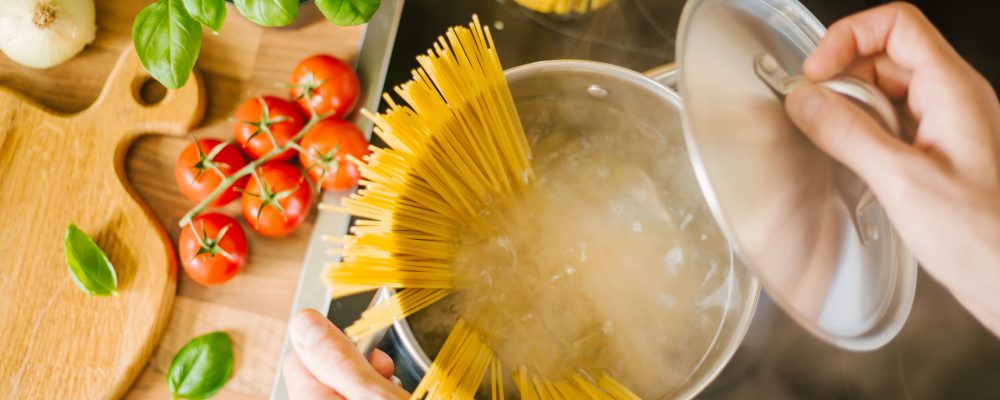

There’s a moment near the end of cooking pasta when chefs do something most home cooks skip entirely.
They save the water.
Not all of it. Just a cup or so—murky, starchy, seemingly unremarkable liquid that’s about to go down the drain.
Then they use it to transform their sauce.
It sounds too simple to matter. But it’s one of those tiny techniques that separates good pasta from transcendent pasta.
And once you understand why it works, you’ll never dump that water again.
It’s Not Just Water Anymore
By the time your pasta is done cooking, that pot of water has changed.
It’s salty from the seasoning you added at the beginning. And it’s loaded with starch released from the pasta as it cooked.
That starch is the key.
It acts as a binding agent—helping sauce cling to pasta instead of pooling at the bottom of the bowl. It creates a silky, cohesive texture that makes the whole dish feel unified instead of like noodles with topping.
Plain water can’t do that. Only pasta water can.
The Sauce That Looks Broken But Isn’t
Watch a chef make pasta and you’ll see something that looks wrong at first.
They’ll have a pan with what seems like too little sauce—maybe just some garlic, olive oil, and a handful of ingredients. It looks dry. Separated. Insufficient.
Then they add pasta water.
Suddenly the sauce emulsifies. It becomes glossy and smooth. It coats the pasta instead of sliding off.
What looked broken a moment ago is now perfect.
That transformation happens because the starch in the water acts like a natural thickener and emulsifier, bringing fat and liquid together into something cohesive.
Most Pasta Sauces Need It
This isn’t just for oil-based sauces like aglio e olio or carbonara.
Tomato sauces benefit from pasta water too. It loosens thick sauces that have reduced too much. It helps them coat the pasta evenly.
Cream sauces become silkier. Pesto becomes more spreadable. Even simple butter and Parmesan transforms into something more luxurious.
Almost every pasta dish improves with the addition of pasta water. The question isn’t whether to use it—it’s how much.
The Timing Matters
Pasta water works best when added before the pasta goes in the pan.
Chefs usually add a ladleful to the sauce while the pasta finishes cooking. This gives the sauce time to reduce slightly and thicken with the starch.
Then they add the drained pasta and toss everything together, adding more pasta water as needed to get the right consistency.
The pasta finishes cooking in the sauce, absorbing flavor and creating that restaurant-quality texture where sauce and pasta are one thing, not two.
Don’t Rinse Your Pasta
Here’s a related mistake that ruins everything: rinsing cooked pasta under cold water.
It washes away the surface starch that helps sauce cling. It cools the pasta down. It dilutes flavor.
Unless you’re making pasta salad—where you actually want to stop the cooking and cool it down—there’s almost never a reason to rinse pasta.
Drain it, sure. But keep that starchy coating intact.
The Right Amount Is Less Than You Think
Most home cooks, when they do add pasta water, dump in too much at once.
The sauce becomes soupy. Watery. The pasta swims instead of being coated.
Chefs add it gradually. A quarter cup at a time. Sometimes just a few tablespoons.
They’re looking for a specific consistency: the sauce should coat the back of a spoon and cling to the pasta without pooling.
That sweet spot is easy to overshoot if you’re not paying attention.
It Rescues Mistakes
Pasta water isn’t just for making good pasta better. It’s also for fixing problems.
Sauce too thick? Pasta water loosens it.
Sauce too thin? The starch helps it thicken as it reduces.
Pasta and sauce not coming together? Pasta water binds them.
It’s one of those ingredients that makes you look like you know what you’re doing even when you’re improvising.
Reserve It Before You Drain
The biggest problem with using pasta water is remembering to save it before it’s gone.
Most people drain pasta directly in the sink and realize too late they needed that water.
Get in the habit of scooping out a cup before you drain. Keep it in a mug near the stove.
You might not use all of it. You might not use any of it. But having it there means you have the option.
Salted Water Makes Salted Pasta
This is why chefs salt pasta water generously—not just to season the pasta itself, but because that seasoned water becomes part of the sauce.
If your pasta water tastes like the ocean, your sauce will be properly seasoned when you add it.
If your pasta water is bland, adding it to your sauce just dilutes everything.
The guideline most chefs follow: pasta water should taste almost as salty as seawater. That sounds extreme, but most of that salt stays in the water—only a fraction gets absorbed by the pasta.
The Dishes Where It Matters Most
Some pasta dishes absolutely require pasta water to work properly.
Cacio e pepe is basically impossible without it. The sauce is just cheese, pepper, and pasta water—that starchy liquid is what keeps the cheese from clumping into a greasy mess.
Carbonara needs it to create that creamy, silky sauce without scrambling the eggs.
Aglio e olio relies on it to emulsify the oil and garlic into something cohesive.
These aren’t complicated sauces. They’re simple. But they only work if you understand what pasta water does.
It’s Free Flavor Enhancement
You’re already boiling the water. You’re already cooking the pasta.
The starch that makes pasta water useful is a byproduct you’re getting whether you want it or not.
Using it costs nothing. Takes no extra time. Requires no special ingredients.
It’s just a matter of recognizing what you already have and not throwing it away.
What You Can Do Tonight
Next time you make pasta, save a cup of the cooking water before draining.
After you toss the pasta with sauce, add a few tablespoons of that water and stir. Notice how the texture changes.
If the sauce looks too thick or dry, add a bit more. If it looks too loose, let it cook down for a minute.
You’re not following a recipe at this point. You’re adjusting based on what you see and feel.
That’s how chefs work. And once you start doing it, pasta becomes more intuitive and less rigid.
The Takeaway
The difference between home pasta and restaurant pasta often comes down to this one overlooked ingredient.
Not a special sauce. Not expensive imported noodles.
Just starchy, salty water that most people pour down the drain without a second thought.
Chefs know that water is liquid gold. It’s the secret that makes everything come together.
And now you know it too.
Because great pasta isn’t about complexity.
It’s about understanding what each ingredient—even the water—brings to the dish.