Daily Dish

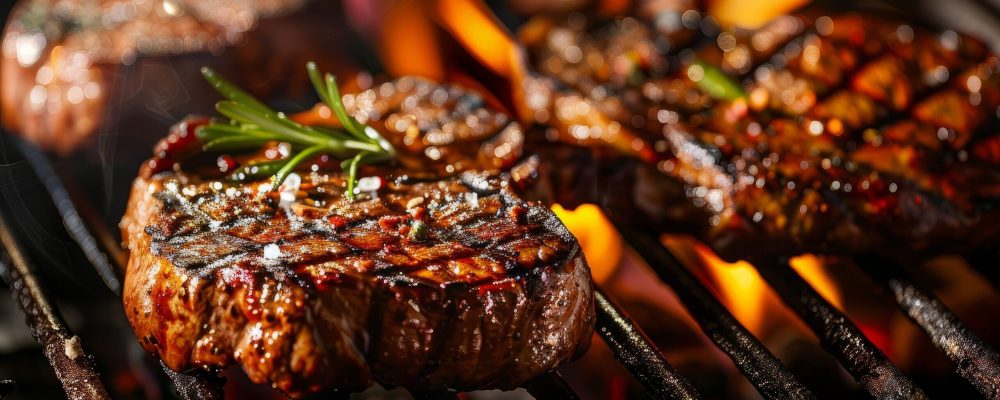
Sizzling Bourbon-Glazed Steak Tips

Healthy Fact of the Day

Beef is an excellent source of protein, vitamin B12, zinc, and iron. Choosing leaner cuts like sirloin can help reduce saturated fat intake while still providing these important nutrients.

Ingredients


  • 2 lbs beef sirloin tips, cut into 1-inch cubes
  • 2 tbsp olive oil
  • Salt and freshly ground black pepper


For the marinade:

  • 1/4 cup soy sauce
  • 2 tbsp Worcestershire sauce
  • 2 cloves garlic, minced
  • 1 tsp dried rosemary


For the bourbon glaze:

  • 1/2 cup bourbon
  • 1/4 cup brown sugar
  • 2 tbsp butter
  • 1 tbsp Dijon mustard
  • 1 tsp red pepper flakes


Instructions

  1. In a large zip-top bag, combine marinade ingredients. Add steak tips, seal, and refrigerate for 2-4 hours.

  2. Remove steak from marinade and pat dry.

  3. Season with salt and pepper.

  4. Heat olive oil in a large cast-iron skillet over high heat.

  5. Add steak tips in a single layer (work in batches if necessary) and sear for 2-3 minutes per side for medium-rare.

  6. Remove steak tips and set aside. Reduce heat to medium.

  7. In the same skillet, add bourbon to deglaze, scraping up any browned bits.

  8. Add brown sugar, butter, Dijon mustard, and red pepper flakes. Simmer until sauce thickens, about 3-4 minutes.

  9. Return steak tips to the skillet and toss to coat with the glaze.

  10. Cook for an additional 1-2 minutes until steak is warmed through and coated in glaze.

  11. Serve immediately, garnished with fresh parsley if desired.


Sink your teeth into these juicy, bourbon-glazed steak tips and let the rich, savory flavors dance on your palate. Each bite is a perfect balance of tender meat and sweet-spicy glaze, creating a dish that’s both comforting and exciting. It’s not just dinner; it’s a carnivore’s dream come true that’ll have you reaching for “just one more piece” until the plate is clean!


Recent Recipes

The Way We Ate: How Food Has

  • June 27, 2026
  • 11 min read

Slow Cooker Dump Dinners: Throw It In,

  • June 27, 2026
  • 4 min read

Sausage French Toast Roll-Ups

  • June 27, 2026
  • 11 min read

Dill Pickle Bacon Pasta Salad

  • June 27, 2026
  • 8 min read

Aldi Is Selling $5 Crystal Clear Ice

  • June 26, 2026
  • 4 min read

The Last Thing on the Plate: A

  • June 26, 2026
  • 10 min read

Sheet Pan Chili Lime Shrimp Lettuce Wraps

  • June 26, 2026
  • 8 min read

Starbucks Just Dropped Two New Blue Drinks

  • June 25, 2026
  • 4 min read

The Kitchen Confidence Gap and How to

  • June 25, 2026
  • 10 min read

Coconut Vodka Lime Crush

  • June 25, 2026
  • 11 min read

Tip of the Day

“Always let your meat rest before slicing.”

Whether you're roasting a chicken, grilling steak, or baking pork tenderloin, letting cooked meat rest for 5–10 minutes before slicing allows the juices to redistribute evenly. This simple step keeps your meat juicy and tender, ensuring every bite is flavorful and moist. Bonus: It gives you a moment to plate your sides or garnish for a perfect presentation!

Our Latest Recipes

Blog
Daily Disher

The Way We Ate: How Food Has Changed in One Generation

Research tracking American dietary patterns over the past fifty years consistently documents both significant improvements and significant concerns. The increase in variety — in the diversity of fruits, vegetables, and whole grains available and consumed — represents genuine nutritional progress. The concurrent increase in ultra-processed food consumption — foods engineered for palatability, shelf stability, and convenience rather than nutritional completeness — represents one of the most significant public health challenges of the era. The most consistent finding across this research is that the greatest determinant of dietary quality is the degree to which food is prepared from whole ingredients rather than purchased in processed form — making cooking from scratch one of the most significant health behaviors available, regardless of the specific cuisine or ingredients involved.

Read More »
Blog
Daily Disher

Slow Cooker Dump Dinners: Throw It In, Walk Away, Eat Like a Hero

Slow-cooked proteins like beef, pork, and chicken retain significantly more moisture and require less added fat than high-heat cooking methods, making braised and slow-cooked meals a naturally leaner option without sacrificing satisfaction. The low, sustained heat of a slow cooker also preserves heat-sensitive B vitamins in meat more effectively than roasting or grilling at high temperatures. Legumes like white beans and black beans — staples in many dump dinner recipes — are among the most nutrient-dense foods available, delivering substantial fiber, plant-based protein, iron, and folate in a single serving. The instinct to build a meal around beans and a modest amount of protein is not just a budget decision — it is, nutritionally, one of the most efficient ways to eat well on a weekday.

Read More »
Breakfast
Aurora Wright

Sausage French Toast Roll-Ups

Pairing protein-rich sausage with eggs and milk creates a breakfast with sustained energy release, helping stabilize blood sugar levels and keep you satisfied longer than carbohydrate-only morning meals.

Read More »

Get your daily dose of delicious!

Skip to content












