Daily Dish

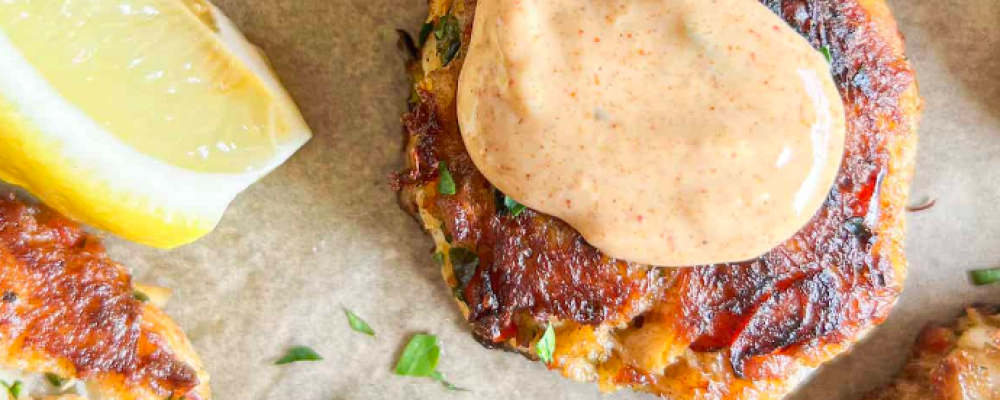
Mini Crab Cakes with Lemon Aioli

Healthy Fact of the Day

Crab cakes have been a beloved dish in the United States, particularly in the Chesapeake Bay region, since the early 20th century. They gained popularity during World War II when crab meat became a more affordable and accessible protein option.

Ingredients


  • 1 lb lump crab meat, picked over for shells
  • 1 cup breadcrumbs (preferably Panko)
  • 1/4 cup mayonnaise
  • 1 large egg, beaten
  • 2 tbsp finely chopped fresh parsley
  • 1 tbsp Dijon mustard
  • 1 tbsp Worcestershire sauce
  • 1 tsp Old Bay seasoning
  • 1/4 tsp salt
  • 1/4 tsp black pepper
  • Vegetable oil for frying
  • Lemon wedges for serving


Lemon Aioli:

  • 1/2 cup mayonnaise
  • 1 garlic clove, minced
  • 1 tbsp fresh lemon juice
  • 1/4 tsp lemon zest
  • Salt and black pepper to taste


Instructions

  1. In a large bowl, gently mix the crab meat, breadcrumbs, mayonnaise, beaten egg, parsley, Dijon mustard, Worcestershire sauce, Old Bay seasoning, salt, and black pepper until well combined.
  2. Shape the crab mixture into small patties, about 1 1/2 inches in diameter.
  3. Place the mini crab cakes on a baking sheet and refrigerate for 30 minutes to firm up.
  4. Meanwhile, prepare the lemon aioli by whisking together the mayonnaise, minced garlic, lemon juice, lemon zest, salt, and black pepper in a small bowl. Set aside.
  5. In a large skillet, heat about 1/4 inch of vegetable oil over medium-high heat.
  6. Working in batches, carefully place the chilled mini crab cakes into the hot oil and fry for 2-3 minutes on each side, or until golden brown and crispy.
  7. Remove the fried crab cakes from the oil using a slotted spoon and drain them on a paper towel-lined plate.
  8. Serve the bite-sized mini crab cakes hot, with a dollop of lemon aioli and lemon wedges on the side.


Delight your guests with these irresistible bite-sized mini crab cakes, bursting with succulent crab meat and served with a zesty lemon aioli that’ll have them reaching for seconds (and thirds!) – a perfect appetizer for any occasion, from casual get-togethers to elegant soirées!


Recent Recipes

One Can of Chickpeas, Five Completely Different

  • May 23, 2026
  • 3 min read

Pancake Poppers

  • May 23, 2026
  • 11 min read

The Unsung Heroes of the Kitchen: Tools

  • May 23, 2026
  • 8 min read

Cowboy Butter Chicken Bites

  • May 23, 2026
  • 8 min read

Krispy Kreme’s Lemon Filled Doughnut Is Back

  • May 22, 2026
  • 3 min read

The Comfort Food Paradox: Why the Simplest

  • May 22, 2026
  • 9 min read

Salmon Patties

  • May 22, 2026
  • 8 min read

KFC’s Fried Pickles Are Back — And

  • May 21, 2026
  • 4 min read

Pineapple Bourbon Lemonade

  • May 21, 2026
  • 10 min read

Why Some Cookbooks Change the Way You

  • May 21, 2026
  • 8 min read

Tip of the Day

“Always let your meat rest before slicing.”

Whether you're roasting a chicken, grilling steak, or baking pork tenderloin, letting cooked meat rest for 5–10 minutes before slicing allows the juices to redistribute evenly. This simple step keeps your meat juicy and tender, ensuring every bite is flavorful and moist. Bonus: It gives you a moment to plate your sides or garnish for a perfect presentation!

Our Latest Recipes

Blog
Daily Disher

One Can of Chickpeas, Five Completely Different Meals

Chickpeas are one of the most nutritionally dense things you can keep in your pantry. One cup delivers around 15 grams of protein and 12 grams of fiber, which means they keep you full significantly longer than most pantry staples. They’re also low on the glycemic index, which helps avoid the blood sugar spike and crash that comes with a lot of quick weeknight meals. If you’re watching sodium, give canned chickpeas a quick rinse before using — it removes a meaningful amount of the added salt without affecting texture or flavor.

Read More »
Entrees
Aurora Wright

Pancake Poppers

Buttermilk’s lactic acid and probiotics aid digestion while its acidity activates baking soda for extra fluffy texture—making these fun poppers easier on your stomach than regular pancakes.

Read More »
Blog
Daily Disher

The Unsung Heroes of the Kitchen: Tools Most Home Cooks Underestimate

Using a kitchen scale rather than volume measurements has been shown in nutritional research to produce more accurate portion sizes across all food categories — not just baking. Home cooks who weigh ingredients and portions consistently consume more predictable and intentional quantities of calorie-dense ingredients like fats, nuts, and grains than those who measure by volume, making the kitchen scale one of the more practical tools for mindful eating without requiring calorie counting or dietary restriction.

Read More »

Get your daily dose of delicious!

Skip to content












