04cfe0bb-918d-4208-bb6d-4f3621be51ca

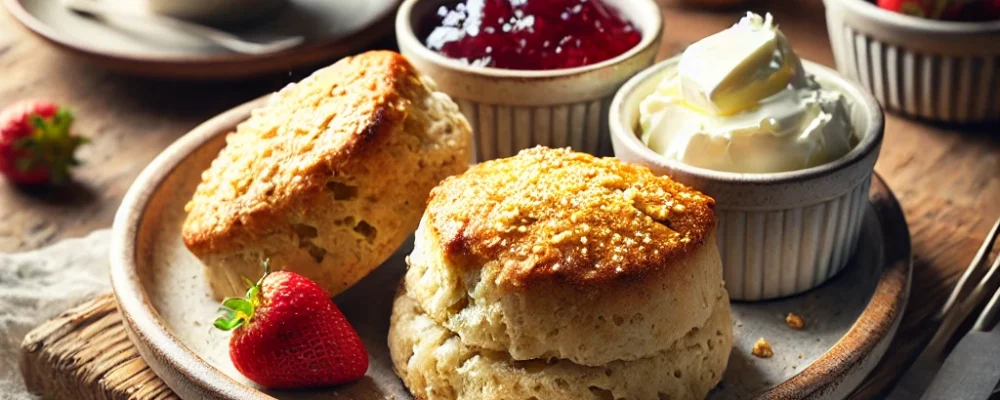
Irish Scones

Healthy Fact of the Day

Irish Scones are a delightful treat that can be made a bit healthier by substituting whole wheat flour for part of the all-purpose flour or reducing the sugar. Adding dried fruits like currants provides natural sweetness and a dose of fiber. Pairing scones with fruit preserves or fresh berries adds extra vitamins to your snack.

Ingredients

  • 2 cups all-purpose flour
  • 1/4 cup granulated sugar
  • 2 tsp baking powder
  • 1/4 tsp baking soda
  • 1/2 tsp salt
  • 1/4 cup cold unsalted butter, cubed
  • 1/3 cup raisins or currants (optional)
  • 2/3 cup buttermilk
  • 1 large egg
  • 1 tsp vanilla extract
  • Extra flour for dusting
  • Optional: clotted cream and jam for serving

     Instructions
  1. Preheat oven to 400°F (200°C) and line a baking sheet with parchment paper.

  2. In a large bowl, whisk together flour, sugar, baking powder, baking soda, and salt.

  3. Cut in the cold butter using a pastry cutter or your fingers until the mixture resembles coarse crumbs.

  4. Stir in raisins or currants, if using.

  5. In a separate bowl, whisk together buttermilk, egg, and vanilla extract.

  6. Gradually add to the dry ingredients, mixing until a soft dough forms.

  7. Turn the dough onto a floured surface and knead gently 3-4 times. Pat into a 1-inch-thick circle and cut into rounds using a biscuit cutter.

  8. Place scones on the prepared baking sheet, leaving some space between them.

  9. Brush the tops with a little buttermilk for a golden finish.

  10. Bake for 12-15 minutes, or until the scones are golden brown.

  11. Serve warm with clotted cream and jam.

    Bring a taste of Ireland to your table with these classic Irish Scones! Golden, buttery, and just the right amount of crumbly, they pair perfectly with a dollop of clotted cream and a spoonful of jam. Whether enjoyed with tea or as a cozy breakfast, these scones are sure to add warmth and charm to your day. Bake up a batch and savor a timeless tradition!

Recent Recipes

Apple Cinnamon Crumb Muffins

  • May 30, 2026
  • 12 min read

Baked Feta Pasta: How to Make the

  • May 30, 2026
  • 3 min read

The Art of the Leftover: Why the

  • May 30, 2026
  • 9 min read

Ground Beef and Biscuit Bake

  • May 30, 2026
  • 8 min read

Arby’s Orange Cream Shake Is Back —

  • May 29, 2026
  • 3 min read

The Bread That Built Civilizations

  • May 29, 2026
  • 9 min read

Jalapeño Popper Roasted Potato Salad

  • May 29, 2026
  • 8 min read

KFC Just Announced a Supergirl Collab —

  • May 28, 2026
  • 4 min read

Coconut Paloma

  • May 28, 2026
  • 10 min read

The Dinner Table Conversations We Stopped Having

  • May 28, 2026
  • 9 min read

Tip of the Day

“Always let your meat rest before slicing.”

Whether you're roasting a chicken, grilling steak, or baking pork tenderloin, letting cooked meat rest for 5–10 minutes before slicing allows the juices to redistribute evenly. This simple step keeps your meat juicy and tender, ensuring every bite is flavorful and moist. Bonus: It gives you a moment to plate your sides or garnish for a perfect presentation!

Our Latest Recipes

Breakfast
Aurora Wright

Apple Cinnamon Crumb Muffins

Apples provide fiber and antioxidants while walnuts deliver heart-healthy omega-3 fatty acids—making these indulgent muffins more nutritious than typical bakery treats.

Read More »
Blog
Daily Disher

Baked Feta Pasta: How to Make the Internet’s Most Famous Recipe (And Then Make It Better)

Baked feta pasta is more balanced than it looks. Feta is actually lower in calories and fat than most hard cheeses, and the cherry tomatoes bring in a solid hit of lycopene and vitamin C. To lighten the dish further, use a whole grain or legume-based pasta — the sauce is rich enough that you won’t notice the swap. And don’t skip the fresh basil at the end — it’s not just garnish, it adds brightness that keeps the dish from feeling too heavy.

Read More »
Blog
Daily Disher

The Art of the Leftover: Why the Best Home Cooks Never Start From Scratch

Research on home cooking habits consistently finds that cooks who plan meals in advance and deliberately cook in batches consume more vegetables, more whole grains, and fewer highly processed foods than those who make meal decisions at the moment of hunger. The brief investment of planning — deciding at the beginning of the week what will be cooked and how leftovers will be used — produces measurably healthier eating patterns over the course of the week, largely by reducing the decisions made under hunger and time pressure that tend to favor convenience over nutrition.

Read More »

Get your daily dose of delicious!

Skip to content