Daily Dish

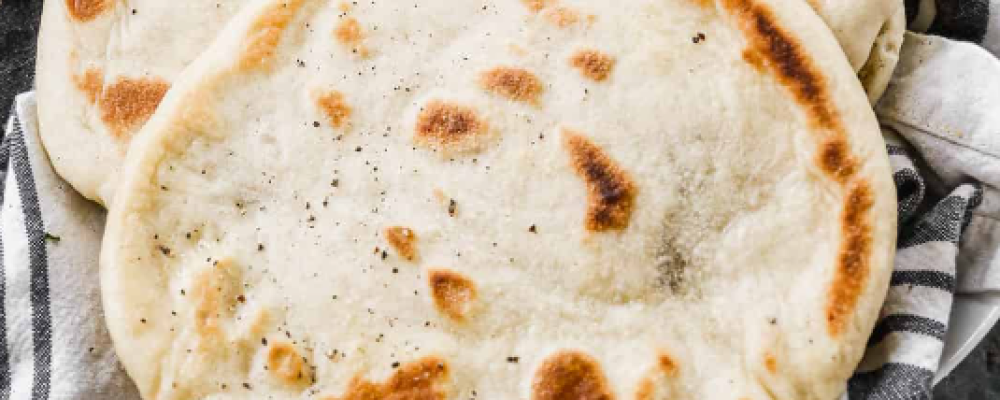
Homemade Pita Bread

Healthy Fact of the Day

Pita bread is a good source of complex carbohydrates, providing energy and dietary fiber. It also contains various vitamins and minerals, making it a nutritious option for sandwiches, dips, or accompaniments to meals.

Ingredients


  • 1 cup warm water (105-115°F)
  • 1 teaspoon active dry yeast
  • 1 teaspoon sugar
  • 1 teaspoon salt
  • 2 1/2 cups all-purpose flour, plus more for dusting
  • 1 tablespoon olive oil


Instructions

  1. In a large bowl, combine the warm water, yeast, and sugar. Stir and let the mixture rest for 5-10 minutes until it becomes frothy, indicating that the yeast is active.

  2. Add the salt, olive oil, and 2 cups of the flour to the yeast mixture. Using a wooden spoon or your hands, mix everything together until a shaggy dough forms.

  3. Turn the dough out onto a lightly floured surface and knead for about 5 minutes, gradually adding the remaining 1/2 cup of flour as needed, until the dough becomes smooth and elastic.

  4. Place the dough in a lightly greased bowl, cover with a damp cloth or plastic wrap, and let it rise in a warm place for 1 hour, or until doubled in size.

  5. Once the dough has risen, punch it down to release the air bubbles.

  6. On a lightly floured surface, divide the dough into 8 equal pieces.

  7. Using a rolling pin, roll each piece into a circle, about 6-8 inches in diameter and 1/4 inch thick.

  8. Preheat a cast-iron skillet or griddle over medium-high heat.

  9. Cook the pita breads one at a time for 2-3 minutes per side, or until lightly puffed and speckled with brown spots.

  10. Transfer the cooked pita breads to a plate and cover with a clean kitchen towel to keep them warm and soft until ready to serve.

Enjoy these homemade pita breads, perfect for stuffing with your favorite fillings or serving alongside dips and spreads for a delicious and versatile addition to your meals.
Recent Recipes

FDA Announces Recall on Salmon Sold in

  • February 13, 2026
  • 6 min read

What Happens When Chefs Stop Measuring

  • February 13, 2026
  • 5 min read

Slow Cooker Chicken Jambalaya

  • February 13, 2026
  • 8 min read

Red Velvet Martini

  • February 12, 2026
  • 10 min read

Wendy’s Has a $1 Burger Deal for

  • February 12, 2026
  • 5 min read

The One Ingredient Chefs Add to Everything

  • February 12, 2026
  • 5 min read

Sticky Beef Noodles

  • February 12, 2026
  • 7 min read

Red Wine Meatballs

  • February 11, 2026
  • 9 min read

Why Professional Kitchens Don’t Use Nonstick Pans

  • February 11, 2026
  • 4 min read

Cajun Cream Cheese Chicken Pasta Bake

  • February 11, 2026
  • 7 min read

Tip of the Day

“Always let your meat rest before slicing.”

Whether you're roasting a chicken, grilling steak, or baking pork tenderloin, letting cooked meat rest for 5–10 minutes before slicing allows the juices to redistribute evenly. This simple step keeps your meat juicy and tender, ensuring every bite is flavorful and moist. Bonus: It gives you a moment to plate your sides or garnish for a perfect presentation!

Our Latest Recipes

Blog
Daily Disher

FDA Announces Recall on Salmon Sold in 7 States Due To Potential Listeria Contamination

Always cook salmon to an internal temperature of 145°F to kill harmful bacteria. Use a food thermometer to check the thickest part of the fillet—the fish should be opaque and flake easily with a fork. Store fresh salmon in the coldest part of your refrigerator (below 40°F) and use within 1-2 days of purchase. If you won’t use it right away, freeze it immediately to maintain quality and safety.

Read More »
Blog
Daily Disher

What Happens When Chefs Stop Measuring

Cooking by taste rather than strict measurement can lead to better portion awareness and reduced sodium intake, as you learn to build flavor through layering herbs, spices, and aromatics instead of relying heavily on salt, while developing a more intuitive relationship with food that supports mindful eating habits.

Read More »
Chicken Recipes
Daily Disher

Slow Cooker Chicken Jambalaya

Chicken thighs provide more iron and zinc than chicken breasts, supporting immune function. The holy trinity of vegetables (onion, celery, bell pepper) adds vitamins and fiber while keeping sodium lower than restaurant versions.

Read More »

Get your daily dose of delicious!

Skip to content