Daily Dish

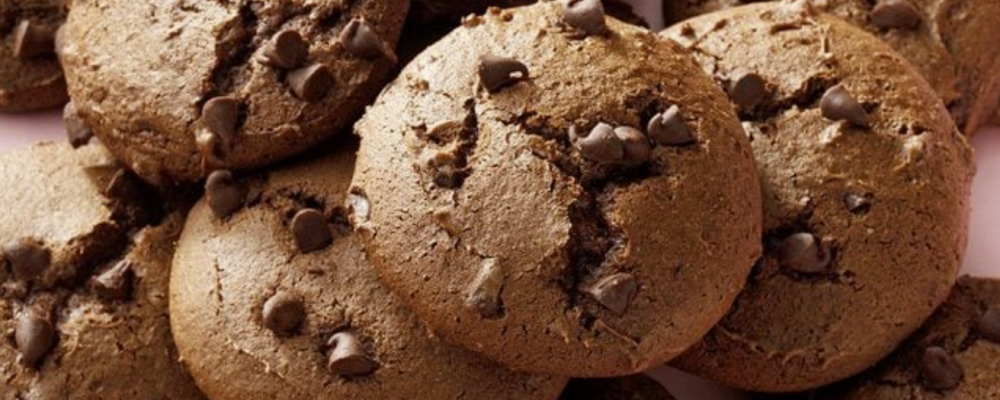
Devil’s Food Chocolate Cookies

Healthy Fact of the Day

Devil’s Food Chocolate Cookies offer a delightful twist on the classic chocolate cookie, providing a rich and indulgent treat. When enjoyed in moderation, these cookies can be a sweet and satisfying addition to your dessert repertoire.

Ingredients


  • 1 cup all-purpose flour
  • 1/2 cup unsweetened cocoa powder
  • 1 teaspoon baking powder
  • 1/2 teaspoon baking soda
  • 1/4 teaspoon salt
  • 1/2 cup unsalted butter, softened
  • 3/4 cup brown sugar, packed
  • 1/4 cup granulated sugar
  • 2 large eggs
  • 1 teaspoon vanilla extract
  • 1/2 cup semi-sweet chocolate chips
  • 1/2 cup chopped nuts (walnuts or pecans), optional
  •  
  •  

Instructions


  1. Preheat your oven to 350°F (175°C). Line baking sheets with parchment paper.

  2. In a medium bowl, sift together flour, cocoa powder, baking powder, baking soda, and salt. Set aside.

  3. In a large bowl, cream together softened butter, brown sugar, and granulated sugar until light and fluffy.

  4. Beat in eggs one at a time, ensuring each is fully incorporated. Add vanilla extract and mix well.

  5. Gradually add the sifted dry ingredients to the wet ingredients, mixing until just combined.

  6. Fold in chocolate chips and chopped nuts, if using.

  7. Drop rounded tablespoons of dough onto the prepared baking sheets, spacing them about 2 inches apart.

  8. Bake in the preheated oven for 10-12 minutes or until the edges are set but the centers are still soft.

  9. Allow the cookies to cool on the baking sheets for a few minutes before transferring them to wire racks to cool completely.

  10. Once cooled, indulge in the rich and chocolaty goodness of Devil’s Food Chocolate Cookies!


Share with friends and family or save them all for yourself!
Recent Recipes

Hawaiian Chicken Tacos with Pineapple Salsa

  • July 28, 2026
  • 10 min read

Key West Grilled Chicken

  • July 28, 2026
  • 6 min read

The Cook’s Library: Books That Changed How

  • July 28, 2026
  • 10 min read

Samuel Adams Just Dropped Its Fall Beer

  • July 27, 2026
  • 3 min read

Air Fryer Cheese Bites

  • July 27, 2026
  • 11 min read

Dutch Oven Short Rip Ragu Pappardelle

  • July 27, 2026
  • 7 min read

The Table After Summer: Cooking Into the

  • July 27, 2026
  • 11 min read

Burger King Just Introduced a Free Whopper

  • July 26, 2026
  • 3 min read

Chocolate Caramel Cookie Bars

  • July 26, 2026
  • 18 min read

Roasted Garlic White Bean & Herb Bites

  • July 26, 2026
  • 15 min read

Tip of the Day

“Always let your meat rest before slicing.”

Whether you're roasting a chicken, grilling steak, or baking pork tenderloin, letting cooked meat rest for 5–10 minutes before slicing allows the juices to redistribute evenly. This simple step keeps your meat juicy and tender, ensuring every bite is flavorful and moist. Bonus: It gives you a moment to plate your sides or garnish for a perfect presentation!

Our Latest Recipes

Chicken Recipes
Benjamin Brown

Hawaiian Chicken Tacos with Pineapple Salsa

Chicken breast is one of the leanest proteins available, high in B vitamins and selenium. Using honey instead of refined sugar in the marinade provides trace minerals and antioxidants alongside sweetness. Pineapple contains bromelain, a natural enzyme that supports digestion and has anti-inflammatory properties, making this tropical salsa as functional as it is delicious.

Read More »
Chicken Recipes
Benjamin Brown

Key West Grilled Chicken

Lime juice in the marinade provides vitamin C and acts as a natural tenderizer through its citric acid content, producing a juicier, more tender finished chicken without any added fat. Honey is bold enough in flavor that a small amount delivers meaningful caramelization and sweetness on the grill, keeping the overall sugar content of the marinade moderate.

Read More »
Blog
Daily Disher

The Cook’s Library: Books That Changed How We Think About Food

Research on food literacy — the understanding of where food comes from, how it is produced, and what its nutritional and ecological implications are — consistently finds that higher food literacy is associated with better dietary quality, greater consumption of whole and minimally processed foods, and stronger motivation for sustainable food choices. Reading about food — not just recipe books but books about food culture, food systems, and food history — is one of the most effective ways to develop food literacy. The investment of time in the cook’s library produces measurable improvements in the quality of food choices that purely nutritional education does not achieve.

Read More »

Get your daily dose of delicious!

Skip to content