Daily Dish

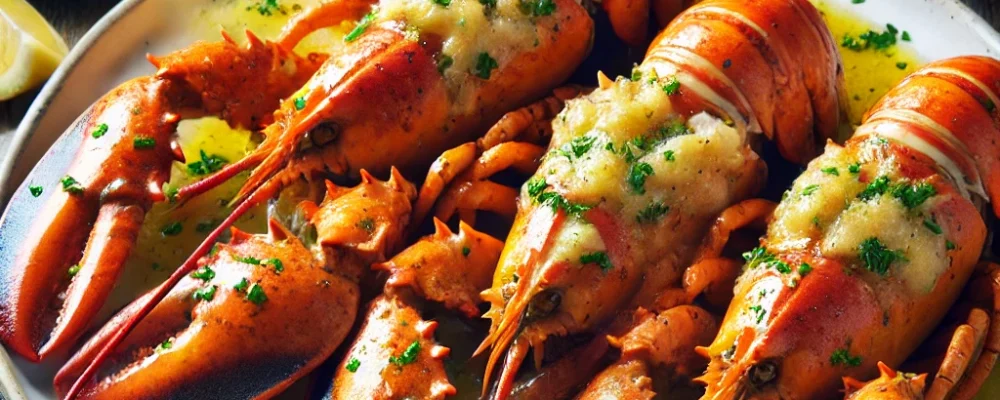
Butter-Poached Lobster Tails

Healthy Fact of the Day

While indulgent, lobster is a good source of lean protein and contains essential nutrients like vitamin B12, zinc, and selenium. It's also relatively low in calories compared to many other protein sources. The omega-3 fatty acids in lobster may contribute to heart health and reduce inflammation. However, due to the high butter content, this dish is best enjoyed in moderation as part of a balanced diet.

Ingredients


  • 4 lobster tails (4-6 oz each)
  • 1 cup (2 sticks) unsalted butter
  • 2 sprigs fresh tarragon
  • 2 sprigs fresh thyme
  • 1 bay leaf
  • 2 cloves garlic, crushed
  • 1 shallot, thinly sliced
  • 1 lemon, zested and juiced
  • Salt and white pepper to taste
  • Chopped chives for garnish

Instructions

  1. Using kitchen shears, cut the top of each lobster shell lengthwise, stopping at the base of the tail.

  2. Gently separate the meat from the shell, keeping the base attached.

  3. In a large skillet, melt butter over low heat with tarragon, thyme, bay leaf, garlic, and shallot.

  4. Once butter is melted, remove herbs and aromatics with a slotted spoon.

  5. Keep butter at a low simmer (around 160°F/71°C).

  6. Gently place lobster tails in the butter, meat side down.

  7. Poach for 5-6 minutes, basting occasionally, until meat is opaque and cooked through.

  8. Remove lobster tails and place on serving plates.

  9. Stir lemon zest and juice into the butter, then spoon over lobster tails.

  10. Season with salt and white pepper, garnish with chives, and serve immediately.

Dive into these succulent Butter-Poached Lobster Tails and let the rich, delicate flavors melt in your mouth! With tender lobster meat bathed in fragrant herb-infused butter, this isn’t just a meal – it’s a luxurious culinary experience that turns any dinner into a special occasion. Whether you’re celebrating a milestone or simply treating yourself, these butter-poached lobster tails are sure to create a memorable dining moment that lingers long after the last bite!
Recent Recipes

A Line Cook’s Guide to Actually Flavorful

  • April 13, 2026
  • 6 min read

Braised Catalina Chicken

  • April 13, 2026
  • 10 min read

The One Step Missing From Every Home-Cooked

  • April 12, 2026
  • 6 min read

Fruity Pebbles Cheesecake Tacos

  • April 12, 2026
  • 16 min read

Apple Slices with Cinnamon Almond Butter Dip

  • April 12, 2026
  • 12 min read

Cilantro Lime Shrimp Rice Bowls

  • April 12, 2026
  • 11 min read

Sun-Dried Tomato & Egg White Frittata

  • April 12, 2026
  • 12 min read

French Onion Gnocchi

  • April 12, 2026
  • 10 min read

One Costco Rotisserie Chicken, Five Completely Different

  • April 11, 2026
  • 3 min read

Blueberry Banana Bread

  • April 11, 2026
  • 11 min read

Tip of the Day

“Always let your meat rest before slicing.”

Whether you're roasting a chicken, grilling steak, or baking pork tenderloin, letting cooked meat rest for 5–10 minutes before slicing allows the juices to redistribute evenly. This simple step keeps your meat juicy and tender, ensuring every bite is flavorful and moist. Bonus: It gives you a moment to plate your sides or garnish for a perfect presentation!

Our Latest Recipes

Blog
Daily Disher

A Line Cook’s Guide to Actually Flavorful Salad Dressing

Eating salad with a fat-containing dressing significantly increases the absorption of fat-soluble vitamins — A, D, E, and K — as well as carotenoids like beta-carotene and lycopene found in vegetables. A completely fat-free dressing, despite seeming like the healthier choice, can actually reduce the nutritional value of the salad it’s on.

Read More »
Chicken Recipes
Amelia Grace

Braised Catalina Chicken

Chicken thighs deliver a generous dose of protein, iron, and zinc alongside more natural fat than chicken breast—which means they stay moist and satisfying through the long bake without drying out. The whole berry cranberry sauce contributes a small but meaningful dose of antioxidants and vitamin C, making this comforting pantry dinner a more nutritionally well-rounded choice than it might first appear.

Read More »
Blog
Daily Disher

The One Step Missing From Every Home-Cooked Pasta Sauce

Pasta cooked al dente has a meaningfully lower glycemic index than fully cooked or overcooked pasta, meaning it causes a slower, more gradual rise in blood sugar. The firmer texture also promotes more thorough chewing, which supports better digestion and a stronger sense of fullness after eating.

Read More »

Get your daily dose of delicious!

Skip to content