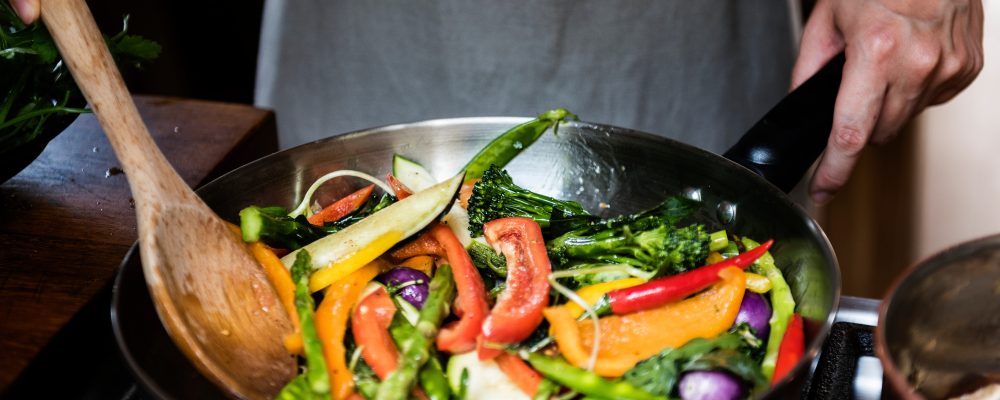

You order vegetables at a restaurant and they’re perfect.
Crisp. Flavorful. Interesting. The kind of thing you’d actually choose to eat, not just tolerate because you’re supposed to.
Then you try to make vegetables at home and they come out bland. Mushy. Forgettable.
Same ingredient. Completely different result.
The gap isn’t about access to better produce or professional equipment. It’s about technique—small decisions that transform vegetables from an afterthought into something you actually crave.
They Don’t Boil Them
Walk into most home kitchens and you’ll see vegetables getting boiled.
Broccoli in a pot of water. Green beans submerged and simmering. Carrots softening in liquid until they’re gray and lifeless.
Boiling leaches flavor. It makes everything taste like water. It turns vegetables mushy.
Professional kitchens almost never boil vegetables unless they’re making soup or stock.
They roast them. Sauté them. Grill them. Blanch them quickly and shock them in ice water to preserve color and texture.
Any method that isn’t drowning vegetables in water for ten minutes.
High Heat Is the Secret
Most people cook vegetables on medium or medium-low heat, afraid of burning them.
Chefs crank the heat high.
High heat caramelizes the natural sugars in vegetables. It creates crispy edges and deep, roasted flavors. It evaporates moisture quickly so vegetables brown instead of steam.
That’s the difference between Brussels sprouts that taste like tiny cabbages and Brussels sprouts that taste like candy.
Between bland roasted carrots and carrots with charred, concentrated sweetness.
Between boring and craveable.
Salt Happens at Every Stage
Home cooks usually salt vegetables once—maybe at the end, maybe not at all.
Chefs salt them multiple times throughout the cooking process.
Salt before roasting so it pulls out moisture and helps with browning. Salt during cooking to build flavor as you go. Salt at the end to adjust and brighten.
Each addition does something different, and together they make vegetables taste fully seasoned instead of flat.
They Use Fat Generously
Vegetables need fat.
Not a light misting. Not a cautious drizzle. A generous coating that helps them caramelize, keeps them from sticking, and carries flavor.
Restaurants don’t apologize for this. They know that a tablespoon of good olive oil or a knob of butter is what makes the difference between vegetables people pick at and vegetables people finish.
Fat also helps your body absorb fat-soluble vitamins like A, D, E, and K—which means those “healthy” steamed vegetables with no fat are actually less nutritious than roasted ones with olive oil.
Texture Variety Keeps Things Interesting
A plate of uniformly soft vegetables is boring to eat.
Restaurants think about texture. They want some char. Some crunch. Some tender parts and some crispy edges.
That’s why they don’t stir vegetables constantly while cooking. They let them sit undisturbed in the pan so one side gets crispy while the other stays tender.
It’s why they finish roasted vegetables under the broiler for an extra minute—to add blistered spots and crunch.
Contrast makes food more engaging. Vegetables are no exception.
Acid Wakes Everything Up
This shows up everywhere, but it’s especially important with vegetables.
A squeeze of lemon over roasted broccoli. A splash of vinegar on sautéed greens. A drizzle of balsamic over roasted beets.
Vegetables can taste earthy and one-dimensional. Acid cuts through that. It makes flavors brighter and more defined.
Most home cooks skip this step entirely. Most chefs consider it non-negotiable.
They Don’t Overcook
Overcooked vegetables are sad vegetables.
They lose their color. They turn to mush. All their natural sweetness and flavor leaches away.
Chefs pull vegetables off the heat when they still have some bite. When they’re tender but not soft. When they still taste like themselves.
This requires paying attention. Testing frequently. Trusting your judgment more than a timer.
But the difference is enormous.
Seasoning Isn’t Just Salt and Pepper
Restaurants don’t treat vegetables like an obligation. They treat them like an opportunity.
Roasted cauliflower gets tossed with cumin and smoked paprika. Green beans get finished with toasted almonds and lemon zest. Carrots get glazed with honey and thyme.
These aren’t complicated additions. They’re just thoughtful ones—small choices that make vegetables taste intentional instead of like an afterthought.
They Start with Better Vegetables
This one matters, but not as much as you might think.
Yes, fresher vegetables taste better. Yes, seasonal produce has more flavor.
But technique can elevate even mediocre vegetables into something good.
And perfect produce treated badly will still taste boring.
If you had to choose between great vegetables cooked poorly and decent vegetables cooked well, the latter wins every time.
The Confidence to Let Them Shine
Here’s something most people don’t realize: vegetables don’t need to be smothered in cheese or sauce to taste good.
They just need to be cooked properly.
Restaurants prove this every night. A plate of roasted vegetables with nothing but olive oil, salt, and lemon is enough—when it’s done right.
The problem isn’t that vegetables are boring. The problem is that they’re usually cooked in ways that make them boring.
What You Can Do Right Now
Next time you cook vegetables, try this:
Crank the heat higher than you normally would. Use more fat than feels responsible. Don’t stir them constantly—let them develop color. Season them multiple times during cooking. Finish with something acidic.
Then taste the difference.
That’s not a fancy technique. That’s just understanding what vegetables need to be their best.
The Takeaway
Restaurant vegetables aren’t better because chefs have access to secret farms or rare varieties.
They’re better because chefs understand that vegetables deserve the same care and attention as any other ingredient.
High heat. Generous fat. Proper seasoning. Attention to texture.
Those aren’t secrets. They’re just habits.
And once you start using them, you’ll stop thinking of vegetables as something you have to eat and start thinking of them as something you want to eat.
Because properly cooked vegetables aren’t virtuous or boring.
They’re delicious.