Daily Dish

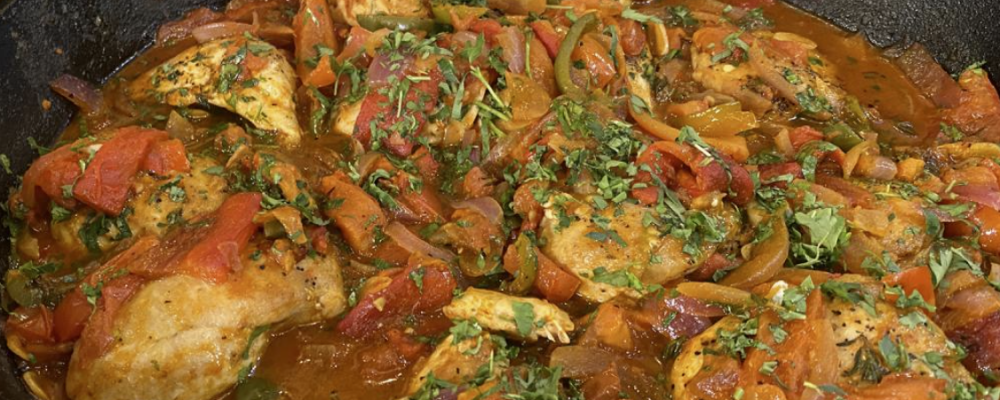
Smoky Spanish Chicken

Healthy Fact of the Day

Smoky Spanish Chicken is a flavorful and protein-packed dish that brings the aromatic spices of Spanish cuisine to your table. This recipe combines the richness of chicken with smoky paprika and other spices, creating a delicious and well-balanced meal.

Ingredients


  • 4 bone-in, skin-on chicken thighs
  • 1 teaspoon smoked paprika
  • 1 teaspoon sweet paprika
  • 1 teaspoon ground cumin
  • 1 teaspoon dried oregano
  • 1/2 teaspoon garlic powder
  • 1/2 teaspoon onion powder
  • Salt and black pepper to taste
  • 2 tablespoons olive oil
  • 1 onion, finely chopped
  • 1 red bell pepper, sliced
  • 1 yellow bell pepper, sliced
  • 3 cloves garlic, minced
  • 1 cup cherry tomatoes, halved
  • 1/2 cup green olives, pitted
  • 1/2 cup chicken broth
  • Fresh parsley for garnish
  • Lemon wedges for serving


  •  
  •  

Instructions


  1. Preheat your oven to 375°F (190°C).
  2. In a small bowl, mix together smoked paprika, sweet paprika, ground cumin, dried oregano, garlic powder, onion powder, salt, and black pepper.
  3. Rub the spice mixture evenly over the chicken thighs.
  4. In an oven-safe skillet, heat olive oil over medium-high heat.
  5. Add the seasoned chicken thighs, skin side down, and sear for 3-4 minutes until golden brown. Flip and sear the other side for an additional 3-4 minutes.
  6. Remove the chicken from the skillet and set aside.
  7. In the same skillet, add chopped onion and sliced bell peppers. Sauté for 3-4 minutes until softened.
  8. Stir in minced garlic and cook for an additional 1-2 minutes.
  9. Add cherry tomatoes, green olives, and chicken broth to the skillet. Mix well.
  10. Return the seared chicken thighs to the skillet, nestling them into the vegetable mixture.
  11. Transfer the skillet to the preheated oven and bake for 25-30 minutes or until the chicken reaches an internal temperature of 165°F (74°C).
  12. Garnish with fresh parsley.
  13. Serve the Smoky Spanish Chicken hot, with lemon wedges on the side.
  14.  


Enjoy this smoky and aromatic Spanish-inspired chicken dish for a delicious and satisfying meal!

Recent Recipes

Sweet Potato Tacos with Avocado Salsa

  • August 25, 2026
  • 11 min read

The Art of the Cheese Sauce: What

  • August 25, 2026
  • 10 min read

Mushroom and Spinach Lasagna Rolls

  • August 25, 2026
  • 6 min read

Dutch Bros Just Launched Its 2026 Fall

  • August 24, 2026
  • 2 min read

Marshmallow Caramel Corn

  • August 24, 2026
  • 13 min read

The Mushroom Underground: What Fungi Can Do

  • August 24, 2026
  • 12 min read

Garlic Butter Beef Cheddar Rice

  • August 24, 2026
  • 6 min read

It’s National Cuban Sandwich Day — Here’s

  • August 23, 2026
  • 2 min read

Toasted Coconut Dark Chocolate Almond Clusters

  • August 23, 2026
  • 16 min read

Korean BBQ Beef & Pickled Veggie Rice

  • August 23, 2026
  • 15 min read

Tip of the Day

“Always let your meat rest before slicing.”

Whether you're roasting a chicken, grilling steak, or baking pork tenderloin, letting cooked meat rest for 5–10 minutes before slicing allows the juices to redistribute evenly. This simple step keeps your meat juicy and tender, ensuring every bite is flavorful and moist. Bonus: It gives you a moment to plate your sides or garnish for a perfect presentation!

Our Latest Recipes

Entrees
Amelia Grace

Sweet Potato Tacos with Avocado Salsa

Sweet potatoes are among the most nutrient-dense vegetables available, rich in beta-carotene, vitamin C, potassium, and fiber. Their natural sweetness means they caramelize beautifully without added sugar, and their fiber content provides sustained energy rather than a spike and crash. Paired with avocado’s heart-healthy monounsaturated fats and queso fresco’s calcium and protein, this is a genuinely nourishing meal that happens to taste indulgent.

Read More »
Blog
Daily Disher

The Art of the Cheese Sauce: What Makes It Extraordinary and What Makes It Break

Cheese is one of the most concentrated dietary sources of calcium available, with aged cheeses providing higher calcium concentrations per serving than fresh cheeses due to the concentration that occurs during aging. The fat in cheese significantly increases the absorption of fat-soluble vitamins A, D, E, and K2 — with K2 in particular playing a critical role in directing calcium to bones rather than arteries. Research increasingly suggests that full-fat dairy consumption, including cheese, is associated with neutral or beneficial cardiovascular outcomes compared to low-fat dairy alternatives, partially rehabilitating cheese from the dietary villain status it acquired during the low-fat dietary era.

Read More »

Get your daily dose of delicious!

Skip to content













